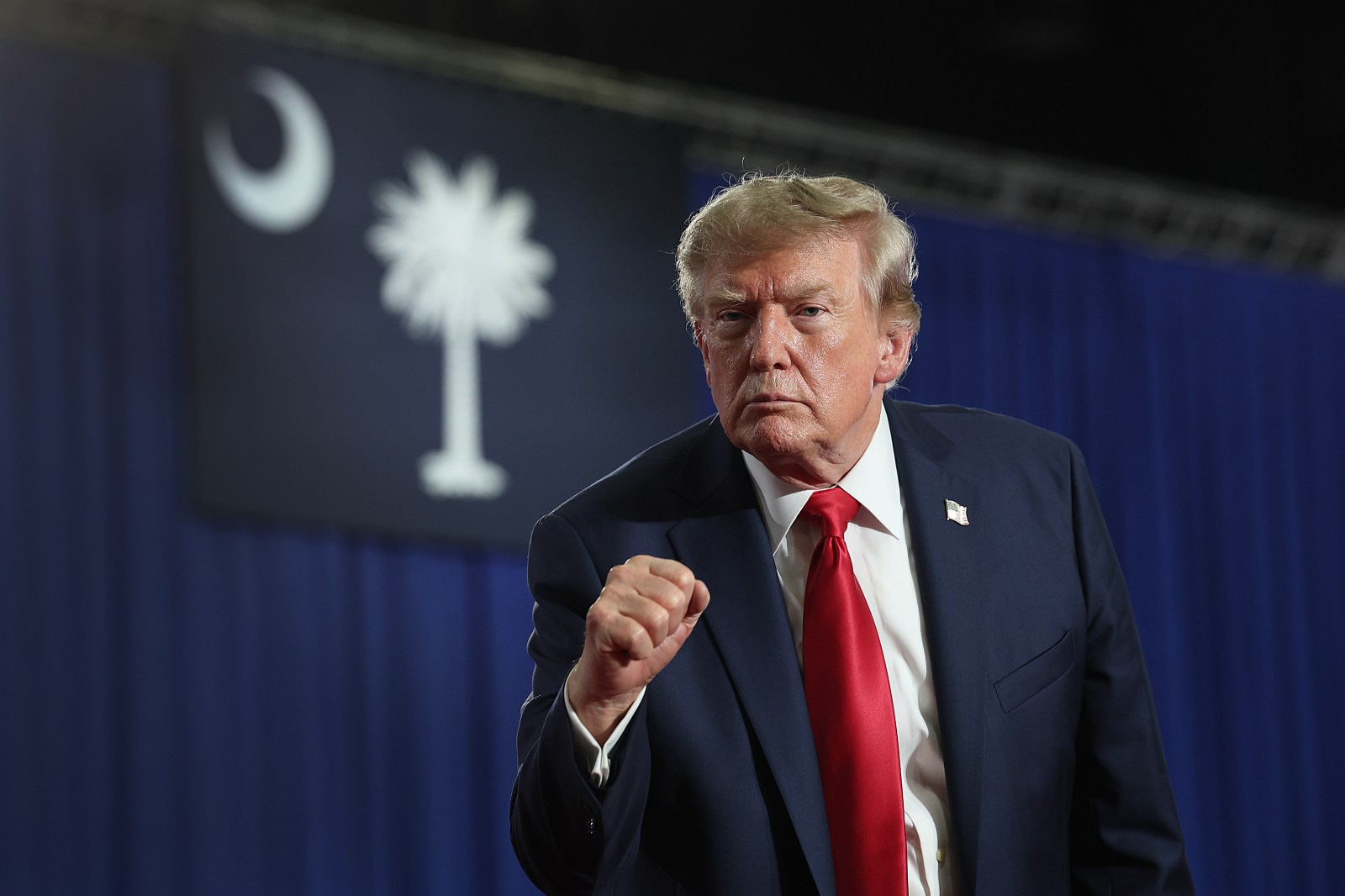
Voting by mail has become a significant aspect of the U.S. electoral system, though its popularity varies across regions. The Supreme Court recently allowed parts of President Donald Trump’s executive order, which seeks to limit mail-in voting, to potentially take effect before upcoming midterm elections. The extent of its immediate impact remains uncertain.
Mail-In Voting Statistics
According to a 2025 report by the U.S. Election Assistance Commission (EAC), 30.3% of Americans voted by mail in the 2024 election. National efforts saw over 66 million mail ballots sent, with a 72% return rate, and almost all returned ballots—99%—were counted successfully.
The Western U.S. had the highest mail-in voting rates. In 2024, Oregon led with 99.3% of votes cast by mail, followed by Washington at 98.5%, Utah at 91.5%, and Colorado at 91.3%. States like Hawaii, California, and Nevada also reported substantial mail-in voting due to established vote-by-mail systems. In contrast, Southern and Midwestern states exhibited lower mail-in voting rates. West Virginia and Texas recorded 2.9% and 3.3% mail-in voting, respectively, often due to stricter voter ID laws and limited mail ballot access.
The Legal Battle
The upcoming midterm elections feature strong political stakes, with Congress’s control in question. Trump’s persistent criticism of mail voting, labeling it prone to fraud, continues despite clear evidence of its rare occurrence. A Brookings Institution study highlights fraud cases are extremely infrequent, with only four incidents per 10 million mail votes cast.
Democratic voters are more inclined to use mail ballots; about one-third voted this way in 2024 compared to one-fourth of Republicans. Trump’s March executive order requires the registration of eligible voter lists, permitting the U.S. Postal Service to deliver ballots exclusively to these individuals. Recent mandates prevent sending mail ballots from non-compliant states.
Reactions to the Supreme Court Decision
The Supreme Court’s 6-3 ruling allowed the Trump administration’s agenda to progress but did not resolve the order’s legality. The Court stated that it does not validate every measure to implement the order, signaling that future legal challenges might arise.
Several Democratic leaders, including California Governor Gavin Newsom and Pennsylvania Governor Josh Shapiro, voiced strong opposition. They pledge to pursue legal action against the order, protecting mail-in voting rights. New York Attorney General Letitia James emphasized the decision doesn’t nullify efforts to maintain voting integrity through legal exploration.
Implications for Midterms
A separate nationwide block on Trump’s order, imposed earlier, still stands. A 90-day window before the 2026 midterm elections is crucial as U.S. District Judge Indira Talwani highlighted the risk of sudden rule changes during election preparations. The Supreme Court decision permits further legal scrutiny, affecting the order’s implementation. Some states prepare to dispatch mail ballots soon, leaving tight timelines for any procedural alterations.
Leave a Reply