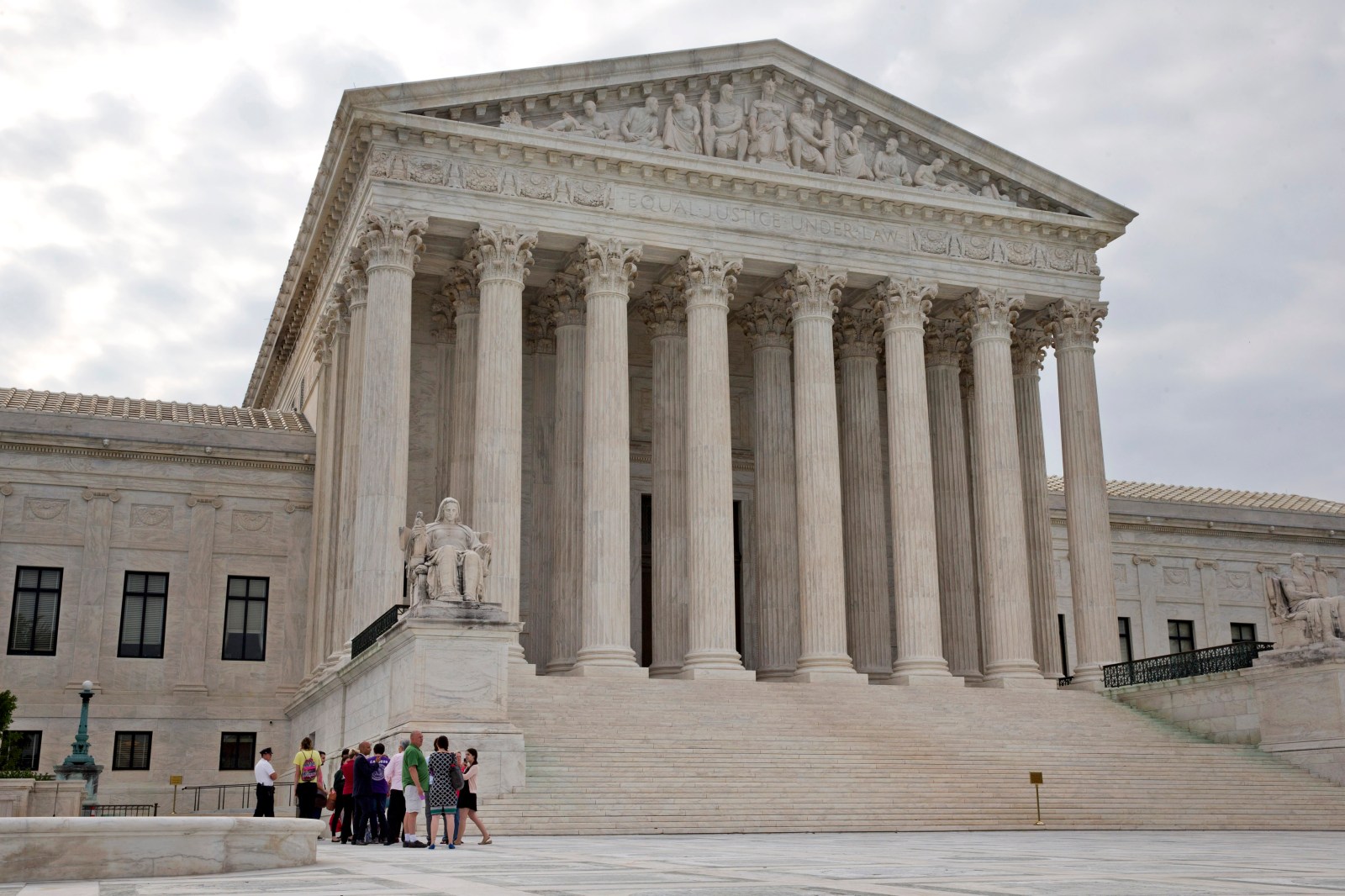
The Supreme Court has issued a decision that impacts religious freedom protections for federal prisoners. In a 6-3 ruling in Landor v. Louisiana Department of Corrections and Public Safety, the court decided that Damon Landor, a Rastafarian inmate, cannot claim monetary damages from Louisiana prison officials for allegedly violating his religious rights.
Case Details
Damon Landor maintains that in 2020, prison officials ignored his religious beliefs and forcibly shaved his dreadlocks. Landor had previously communicated that his faith required his hair to remain uncut and provided a federal court ruling supporting similar religious protections. The ruling was reportedly dismissed by the officials.
The court’s decision focused on whether the Religious Land Use and Institutionalized Persons Act (RLUIPA) permits recovery of money damages from state employees personally. Justice Neil Gorsuch, writing for the conservative majority, stated that RLUIPA does not authorize this.
Majority vs. Dissent
The majority argued that liability under RLUIPA applies only to those who have explicitly accepted federal funding conditions, like state prison systems, but not to individual officers. Justice Ketanji Brown Jackson dissented, emphasizing the lack of remedy for victims of proven religious rights violations and criticized the undermining of Congress’s intent to protect religious exercise in prisons.
Reactions and Implications
Human rights activists decried the verdict. Daniel Mach from the ACLU labeled it a blow to the rights and dignity of incarcerated individuals. He emphasized that the ruling permits prison officials to avoid accountability for violating federal laws, arguing the importance of enforceability of civil rights.
Comparison to Other Decisions
Unlike most religious liberty cases recently favored by the conservative court majority, Landor’s case relied on RLUIPA, derived from Congress’s Spending Clause power. Past decisions like Roman Catholic Diocese of Brooklyn v. Cuomo and Kennedy v. Bremerton School District often favored religious expression under the First Amendment. In these incidents, the court supported religious gatherings and individual religious rights in opposition to governmental constraints.
Critics note a contradiction in the court’s approach, as it generally supports religious protections yet limits remedies for violations. Proponents suggest that this adherence to judicial restraint honors the legislative authority of Congress.
About Damon Landor
Damon Landor, a devout Rastafarian, adhered to a vow prohibiting hair cutting for nearly two decades. While detained for drug charges, he practiced his faith in two facilities until transfers brought religious opposition shortly before his release. Landor pursued legal steps after the incident.
The Rastafarian Faith
Rastafarianism emerged in Jamaica in the 1930s, focusing on spiritual freedom, African lineage, and resisting oppression. Dreadlocks are a religious expression tied to a biblical vow, symbolizing a deeper spiritual devotion. Bob Marley, a celebrated figure, brought global awareness to the faith.
Leave a Reply