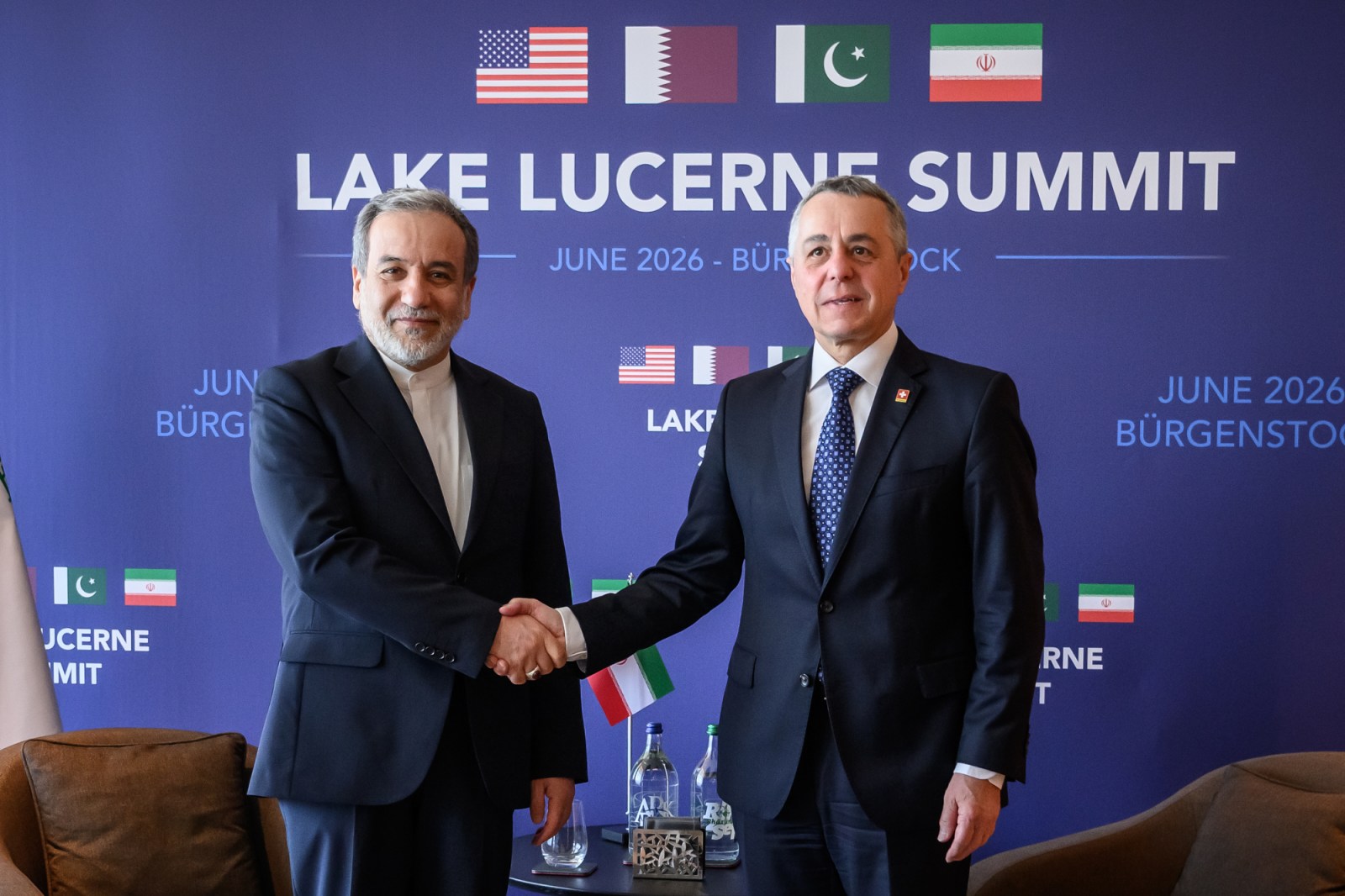
The Signed Agreement between Iran and the United States
The agreement between Iran and the United States may lead to the unlocking of billions of dollars in frozen Iranian assets worldwide. Both sides have presented varying accounts regarding the terms and amount involved. Understanding the details of these frozen funds is crucial for assessing their potential impact on Iran’s economy.
Where Are Iran’s Frozen Assets?
Frozen assets refer to funds or financial holdings that are legally blocked from access or transfer, often due to sanctions. For Iran, these assets mainly comprise oil revenues and foreign currency reserves in foreign banks. U.S. sanctions and trade restrictions have targeted Iran since the 1979 Iranian Revolution, intensifying over the years due to concerns about its nuclear program, human rights record, and support for Middle Eastern militant groups.
Iran’s economy has suffered from prolonged sanctions, high inflation, and a depreciating currency, with recent conflicts exacerbating these challenges. Releasing the frozen assets could provide Iran with substantial financial resources during a time of economic difficulty.
Estimates of Iran’s Frozen Assets
Reports on Iran’s foreign assets rely on estimates, which vary significantly. Iranian officials claim the total may be as high as $100 billion, whereas other estimates place it below $50 billion. China likely holds the largest portion of Iran’s frozen assets, estimated between $20 billion and $50 billion. Historically, China has been Iran’s leading oil buyer. Before the Obama-era nuclear agreement, known as the JCPOA, India was the second-largest purchaser of Iranian oil. Additional assets are held in Iraq, estimated around $15 billion, due to purchases of electricity and natural gas from Iran. Other countries with frozen Iranian assets include Japan, Luxembourg, the U.S., South Korea, Qatar, and Oman.
Details of the Memorandum of Understanding (MOU)
The 14-point MOU between Iran and the United States includes a provision concerning the possible release and use of frozen Iranian assets. The agreement, signed on Friday, June 17, provides a framework for asset release.
Paragraph 11 of the MOU states: “The United States of America undertakes to make fully available for use the frozen or restricted funds and assets of the Islamic Republic of Iran upon the implementation of this MOU. The United States and the Islamic Republic of Iran will agree on the procedures for releasing these funds during negotiations. These funds shall be fully usable for payment to any ultimate beneficiary designated by the Central Bank of Iran. The United States will issue all necessary licenses and authorizations accordingly.”
Official Statements Regarding the Frozen Funds
President Donald Trump emphasized that Iran should use unfrozen funds to purchase American food products, citing Iran’s inability to feed its population of 91 million people as a reason. He stated, “All that money’s coming back in the form of purchases of food which they desperately need.”
In contrast, on Tuesday, Iranian officials rejected this characterization. Ali Bahreini, Iran’s UN ambassador, asserted in Geneva that Iran would decide independently how to utilize its assets, dismissing any claims of external influence.
Separately, Iranian Parliament Speaker Mohammad Bagher Ghalibaf stated that the agreement includes releasing $12 billion in frozen assets, divided into two tranches of $6 billion each.
Leave a Reply