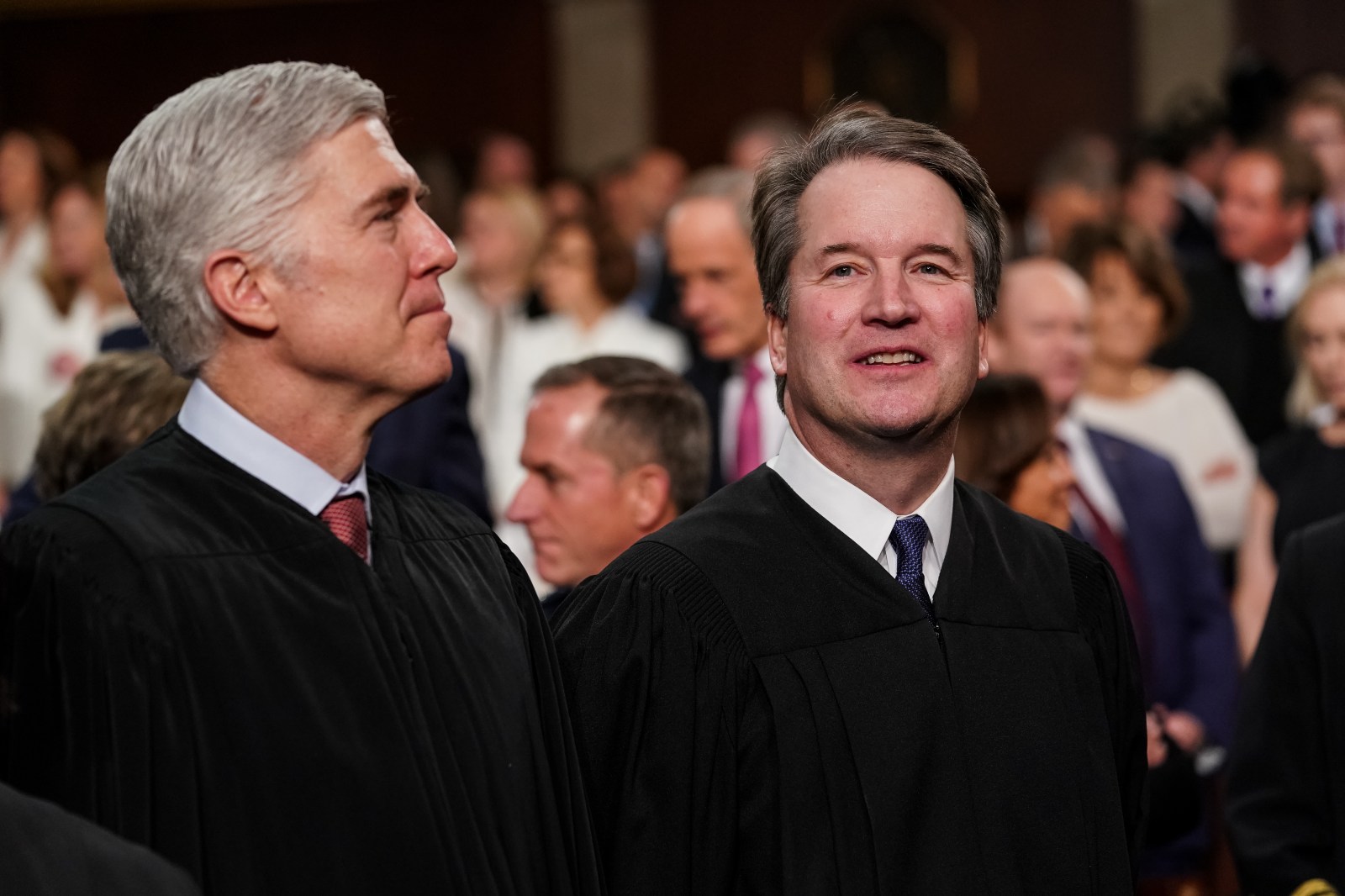
The Supreme Court’s new term presented a notable division as Justice Brett Kavanaugh diverged from his conservative colleagues in a case concerning Sunoco. The major gasoline and oil company faced a $100 million class action lawsuit due to alleged late payments for oil production without including interest, violating Oklahoma law.
Sunoco petitioned the Supreme Court to review the case, arguing that the class might include people who suffered no harm and that courts need to determine the rightful recipients of damages before any awards. The court denied Sunoco’s request for a writ of certiorari, electing not to hear the case. However, Justice Kavanaugh expressed a desire to grant the petition. Justice Samuel Alito refrained from participating in this decision.
Alito did not provide an explanation for his absence, which might stem from his financial interests in some of Sunoco’s competitors. Although Alito holds no financial interest in Sunoco, his investments include stock in Phillips 66 and ConocoPhillips. These companies are involved in the oil and gas industry and have potential overlaps in operations with Sunoco. Alito’s financial ties possibly influenced his recusal from other cases in this term as well, including one involving Suncor Energy.
In the case of Sunoco v. Perry Cline, Cline represented royalty owners alleging Sunoco violated the law by not paying interest on late royalty payments. The courts previously ruled that Sunoco owed $103 million. Sunoco challenged this by questioning the method of class recipient determination, arguing that courts should not certify a class or award damages without identifying members. The company pointed out some funds remained in unclaimed-property pools owing to unidentifiable owners.
Cline countered Sunoco’s argument by affirming that the class was identifiable through Sunoco’s business records used in royalty payments. He argued that since each member suffered a financial injury through deprivation of owed money, there was no ambiguity in their identification.
Sunoco’s position warned of the precedent allowing courts to certify damages without identifying recipients, potentially leading companies to face undue settlement pressure in class actions without proof of harm. The Supreme Court’s decision against Sunoco’s petition leaves this precedent open to influencing future cases.
Leave a Reply