Trump’s Appeal and Perceived Disconnect
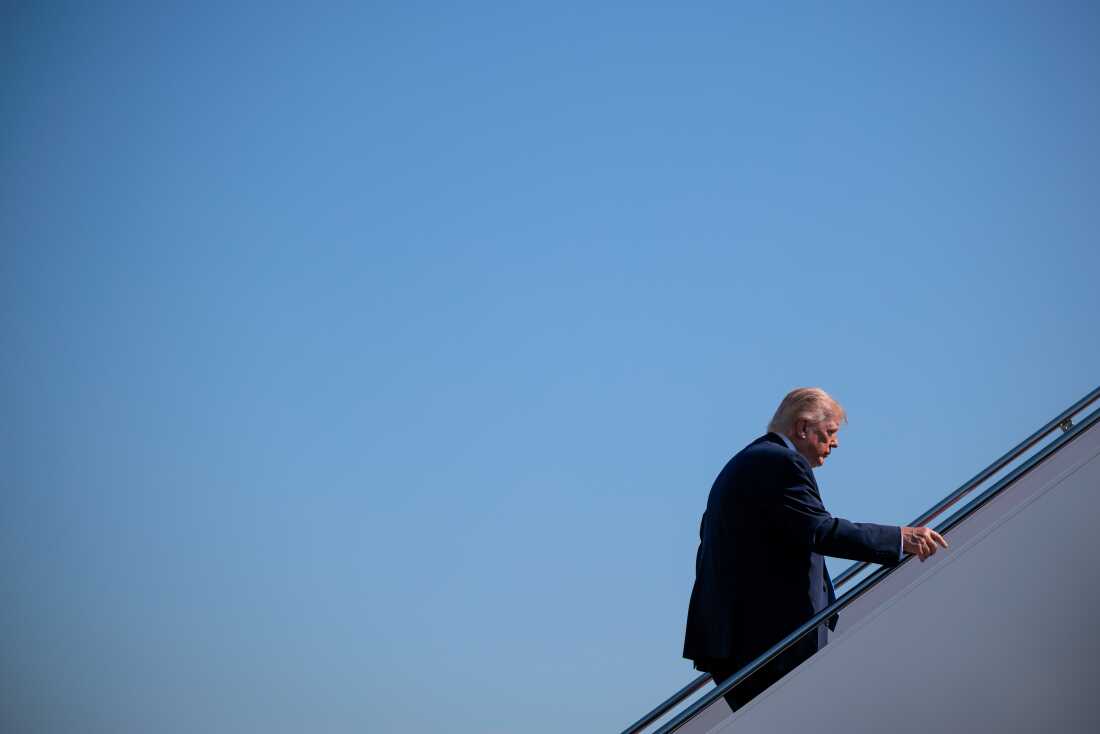
President Trump recently engaged with reporters and boarded Air Force One. Meanwhile, in North Carolina, swing voters expressed frustration regarding his leadership and the economic state. Yet, they’re hesitant to fully abandon his party as midterm elections draw near. NPR monitored focus groups with twelve voters, organized by Engagious and Sago under the Swing Voter Project.
Half of these participants disapproved of Trump’s performance, citing his detachment from economic hardships that Americans face amid tensions in Iran. A significant portion perceived Trump as out-of-touch with their financial concerns, despite viewing him as strong, not weak. Nine out of twelve described Trump as a strong leader, attributing this to his consistent delivery on promises like border security.
Rich Thau, president of Engagious, observed that many voters valued Trump’s portrayal of strength. Vikki B., a participant, emphasized, “If he says he’s going to do something, he does it.” Thau noted that Trump’s image as a confident leader remains crucial to maintaining support among these voters.
Democratic Challenges Impact Voter Preferences
Despite dissatisfaction with Trump, none of the focus group members intended to support Democrats in upcoming elections. Barrette G., disapproving of Trump’s performance, deemed protest voting ineffective and focused on candidate qualities, questioning Democrats’ representation of interests.
Participants perceived Democratic infighting negatively. April M. suggested the party needs unity to counter Republicans effectively. Vivian T. echoed, “I believe they need to show a united front.” The view of Democrats as fractured reduces appeal among these swing voters.
Concerns Over Artificial Intelligence
Voters expressed united concerns over artificial intelligence. While recognizing benefits, fears predominated about job displacement and erosion of critical thinking among students. Steve M. voiced apprehension about AI’s tutorial role, preferring significant regulatory intervention by global leaders.
Rich Thau remarked that a perceived lack of agency exists among voters regarding AI developments, leading to reliance on political intervention. The focus groups reflected a profound concern, urging leaders to address AI’s potential threats comprehensively.
Leave a Reply