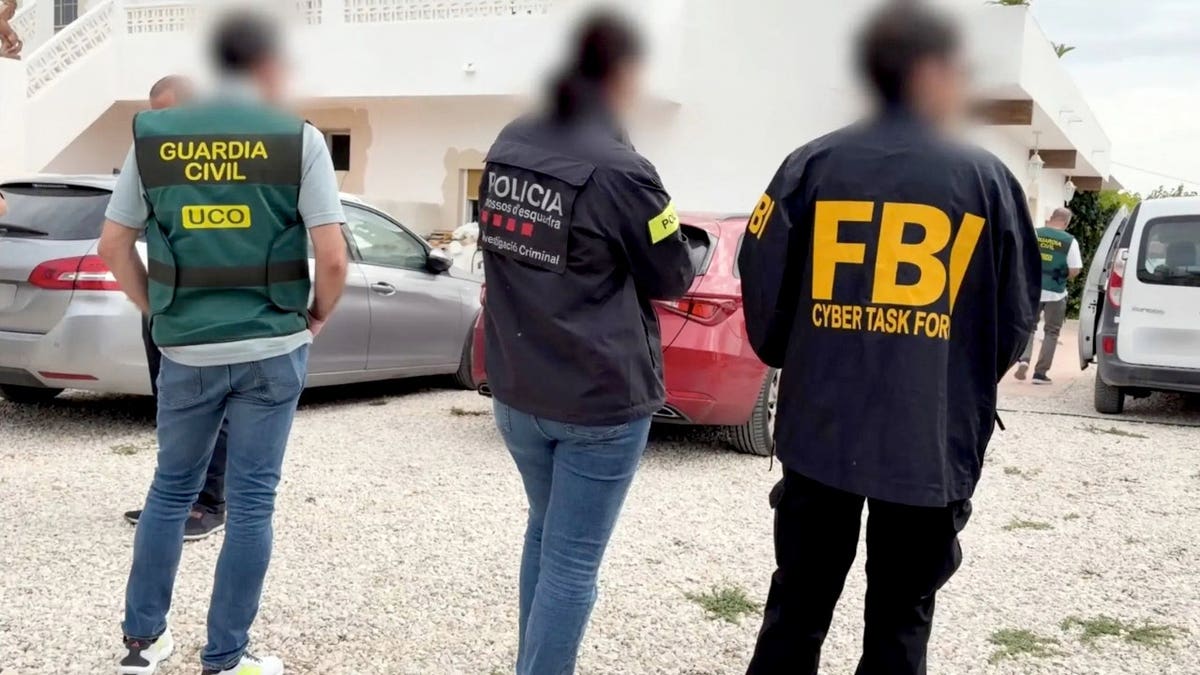
Imagine someone leading an international ransomware operation. A teenager might not come to mind. Yet, a 16-year-old is suspected of managing KillSec, a cybercrime group linked to about 1,000 attacks worldwide. Around 500 of these have reportedly been successful. Now, law enforcement has taken KillSec’s site and main servers offline, securing 110 terabytes of stolen data.
Operation KillSwitch
An operation called KillSwitch led by international law enforcement took place on September 30. Authorities from the United States and several European countries, with Europol and Eurojust, coordinated the investigation. During this operation, police conducted eight searches across Greece, Romania, Spain, and the UK. Three suspects were provisionally arrested, and control over five central servers was established. KillSec’s dark web leak site, used to pressure victims, is now under control of the authorities.
A Surprising Suspected Operator
Perhaps most surprising, a 16-year-old is allegedly the administrator and main operator behind KillSec. Another suspected member, a developer, recently turned 18. They were believed to have been minors during some alleged crimes. The group has been active since 2024, exploiting software vulnerabilities and insecure access points to infiltrate organizations, copying sensitive files to their systems.
Ransomware Tactics
After infiltrating, KillSec reportedly used stolen files as leverage. The group listed organizations on their dark web site, threatening to publish data if a ransom was not paid. Some victims chose not to pay, leading to the release of their information. Substantial ransoms were reportedly paid, as stolen data itself became a weapon, even without locking files.
Role of Artificial Intelligence
Investigators found KillSec used AI to build and maintain ransomware infrastructure and identify targets. AI aided their work but didn’t act alone. This shows cybercriminals are using technology to ease their actions, bypassing traditional barriers needing technical expertise.
Ongoing Investigations and Precautions
The investigation into KillSec continues. Officials are examining seized evidence and tracing cryptocurrency linked to criminal proceeds. While KillSec’s infrastructure received a major blow, such groups are known to reorganize and appear under new identities.
This incident highlights the lessons applicable to everyone. KillSec exploited software vulnerabilities and weakly secured access points, issues warned about repeatedly by security experts. Here are ways you can reduce your ransomware risk:
- Install Software and Security Updates: Always update your devices promptly as updates fix known vulnerabilities.
- Use Strong, Unique Passwords: Different passwords for each account prevent widespread exposure from a single leak. Use a password manager to assist.
- Enable Two-Factor Authentication: Add a second layer of security to your accounts with 2FA.
- Maintain Offline Backups: Keep backups away from network-connected drives to reduce risks.
- Be Wary of Unexpected Downloads: Avoid clicking suspicious links or attachments to prevent potential breaches.
- Utilize Security Software: Good antivirus software can detect threats promptly.
- Have a Ransomware Response Plan: If attacked, disconnect from networks and report crimes to relevant authorities like the FBI.
Leave a Reply