Iran’s Revolutionary Guard Claims Responsibility
Iran’s Revolutionary Guard announced it launched drone and missile attacks on Bahrain and Kuwait. This announcement followed new U.S. military actions against Iranian targets. The recent events have endangered ceasefire negotiations between the U.S and Iran. These attacks represent the most substantial escalation since the memorandum of understanding signed earlier this month.
The memorandum provides 60 days for both parties to resolve significant disputes, such as shipping lanes through the Strait of Hormuz, the U.S. blockade at Iranian ports, sanctions relief, and the future of Iran’s enriched uranium stockpile.
Kuwait and Bahrain React
Kuwait reported intercepting two Iranian ballistic missiles, with no injuries or damages. Bahrain’s Interior Ministry noted Iranian munitions struck a residential building near the international airport, resulting in no fatalities. Released photos showed damage to an eight-story building, separate from the U.S. Navy’s 5th Fleet headquarters.
Bahrain’s Foreign Ministry condemned these actions, categorizing them as a deliberate pattern of aggression by Tehran.
Rising Conflict Between Israel and Hezbollah
Simultaneously, Israel faces increased violence with Hezbollah. In southern Lebanon, Hezbollah killed an Israeli soldier in Deir Siryan village. In retaliation, Israeli forces killed the Hezbollah combatant. Hezbollah’s leader declared the group’s intent to continue fighting until Israeli withdrawal from southern Lebanon.
Iran’s parliament speaker, Mohammad Bagher Qalibaf, urged for an urgent meeting involving Iran, the United States, and Lebanon to address the conflict. Israel’s military chief promised readiness for further offensive operations in Lebanon and Iran if needed.
Israel’s signed ceasefire excludes Iran and Hezbollah, and Israel insists on the disarmament of Hezbollah before any withdrawal.
U.S.-Iran Strait of Hormuz Dispute
Sunday’s attacks by Iran were prompted by new U.S. military strikes on Iranian military installations, citing a recent Iranian attack on a Panamanian-flagged tanker in the Strait of Hormuz. The tanker, Kiku, was en route to Qatar, a mediator between Iran and the U.S.
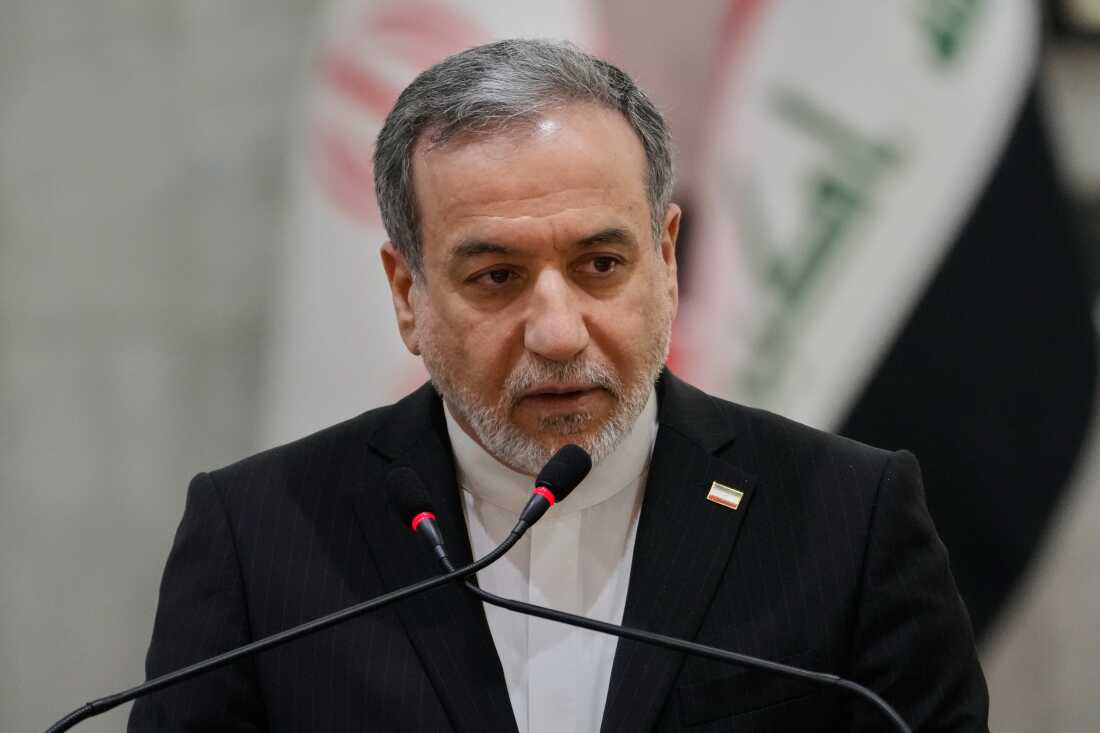
Iran aims for sole control of the Strait of Hormuz, a crucial passage for global oil and gas trade. Iran’s Foreign Minister, Abbas Araghchi, emphasized this stance, warning against any new arrangements.
The Revolutionary Guard Corps threatened to cease negotiations if U.S. military actions persist. President Trump responded on social media, accusing Iran of ceasefire violations and warning of severe U.S. military consequences.
Leave a Reply