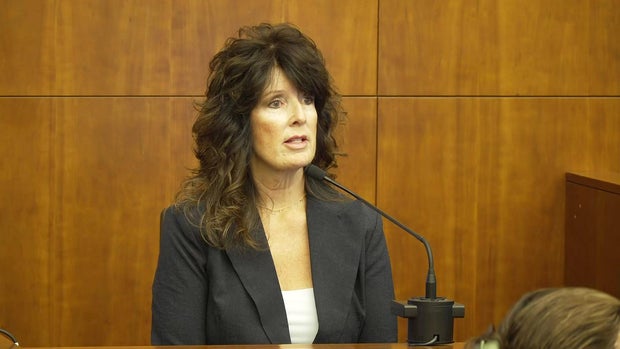
On the seventh day of the Lindsay Clancy murder trial, the focus was on testimonies from key witnesses. Clancy, a mother from Duxbury, Massachusetts, is on trial for the first-degree murder of her three young children—Cora, Dawson, and Callan.
Elaine Rossi’s Testimony
The final witness of the day was Elaine Rossi, the family’s last nanny. Rossi had been employed from September 2022 to December 2022. She responded to a job posting by Lindsay Clancy in July 2022 and primarily cared for Callan, with additional duties such as housekeeping and food preparation.
Rossi testified that Clancy shared about her mental health struggles, specifically postpartum issues. Despite this, Rossi believed Clancy was a loving and attentive mother, frequently communicating through texts and notes. She observed that Clancy was very attentive to her children’s needs.
Forensic Toxicology Report
Forensic toxicologist Dr. Justin Brower testified that the levels of drugs found in Clancy’s system were therapeutic, not suicidal. He explained that typically, suicide attempts involve larger quantities.
Dr. Brower agreed that drug levels alone do not fully explain an individual’s actions, emphasizing that they are merely part of the broader picture.
Interruption During Trial
Judge William Sullivan unexpectedly paused the trial during Dr. Brower’s testimony. This interruption lasted about 20 minutes but no reason was given for the pause.
Testimony of Eitan Negri
Eitan Negri, a physician assistant at Brigham & Women’s Hospital, testified he treated Clancy for wrist and neck lacerations after the murders. Prosecutors suggested these injuries were not suicide attempts, as they lacked active bleeding. The defense countered by highlighting the depth of one of Clancy’s cuts.
Prosecution vs. Defense
The prosecution argues that Clancy premeditated the murders, staging a suicide attempt afterward. The defense claims she was experiencing a severe bout of postpartum psychosis, worsened by medication overuse.
During the trial, evidence from Clancy’s home, including prescription medications, was examined. Both sides agreed on certain facts during the proceedings, with the defense focusing on motivations rather than the act itself.
Upcoming Testimonies
Psychiatrists who treated Clancy before the murders are expected to testify soon. Clancy faces a life sentence without parole if convicted. However, if deemed not criminally responsible, she may be committed to a mental health facility.
If facing emotional distress, the 988 Suicide & Crisis Lifeline is available. Call or text 988 to speak to someone at any time. Additionally, the National Alliance on Mental Illness HelpLine offers support at 1-800-950-NAMI (6264) or [email protected].
Leave a Reply