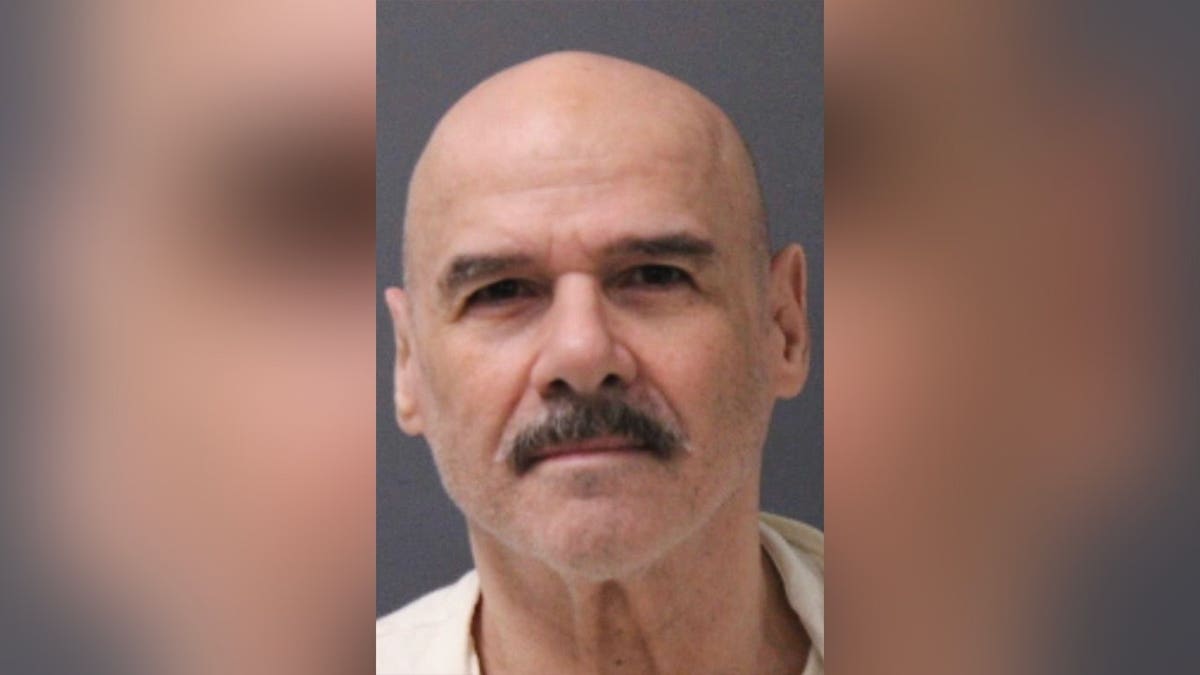
A Texas inmate’s execution experienced significant delays on Thursday. Prison staff faced difficulties finding suitable veins for the lethal injection. Reinaldo Dennes, sentenced for the 1996 murder of Houston diamond dealer Janos Szucs, expressed intense pain frequently before being declared dead.
The execution occurred at the Huntsville state penitentiary. Reports indicate that the process took 63 minutes from the time Dennes was secured to the gurney. This lengthy duration was due to challenges in establishing proper intravenous access for administering pentobarbital.
Pain and Delays During the Process
The Associated Press reported Dennes’s repeated cries of pain during the execution. Witnesses noted his calls to God and mentions of severe pain, particularly in his right leg, describing it as a cramp.
A spokesperson for the Texas Department of Criminal Justice, Amanda Hernandez, stated that all procedures adhered to protocol. However, she admitted multiple failed attempts to access Dennes’s veins before successfully placing needles in his left foot and the side of his neck.
She hinted at possible exaggeration by Dennes, pointing to his complaints of pain before the injection process commenced. Hernandez emphasized that they followed standard execution practices.
Execution Context and Previous Scrutiny
Recent scrutiny of lethal injection methods follows a failed attempt in Tennessee involving inmate Christa Pike. Pike survived despite receiving two doses of pentobarbital. Her attorneys claimed the drug did not properly enter her bloodstream, causing harm.
The execution of Dennes was the second most recent U.S. execution, following Florida’s execution of Thomas Mitchell Overton, convicted for the murder of a pregnant woman and her husband during a home invasion.
Texas Department of Criminal Justice stands by the execution procedure, asserting compliance and noting no abnormality on their part.
Leave a Reply