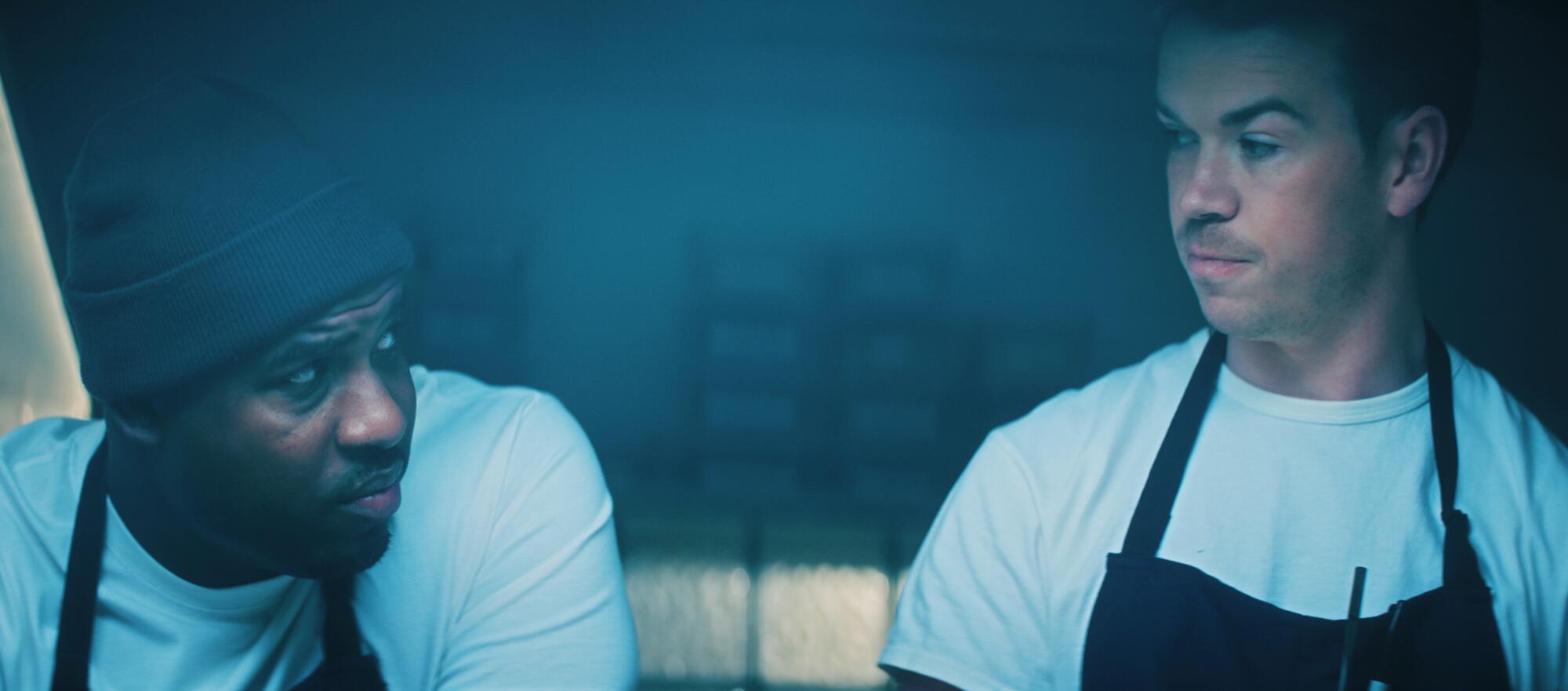
The critically acclaimed series “The Bear,” crafted by Christopher Storer, concluded its storyline with a tightly woven season finale. The narrative revolves around a Chicago sandwich shop’s transformation into a fine-dining establishment. The final eight episodes, released simultaneously, primarily unfold over the course of a single day. A torrential rainstorm adds drama, causing pipes to burst, servers to quit, shelves to empty, and money to deplete—even as the restaurant finds itself overbooked. Chefs Carmy and Sydney strive to manage these crises, leading to a whirlwind of improvisation and resourcefulness.
In the series’ conclusion, “The Bear” earns not one but two Michelin stars. Uncle Jimmy, who spent much of the season seeking financial stability, finds relief in Ebraheim’s plan to franchise the restaurant. Sydney embraces the role of head chef, appointing Tina as her chef de cuisine. Marcus acknowledges his own greatness. Richie, previously confined to Chicago, receives an invitation to a hospitality conference in Japan, where he discovers new love. Meanwhile, Carmy turns his creative energy towards architecture.
Robert Lloyd, TV critic at the L.A. Times, reflects on how the ending of a story defines its entirety. The unpredictability of television, where series continuation is often uncertain, brings a unique context to “The Bear.” Despite this, the show’s initial success with awards like the Emmys solidified its future. Lloyd emphasizes that the series essentially explored themes of love: giving, accepting, and self-love. Food, as depicted in the show, acts as a clear expression of love and connection.
Mary McNamara, L.A. Times culture critic, shares her perspective on the emotional resonance of the finale. A poignant tribute to the late Rob Reiner touched her deeply. She notes how happiness in the finale was anticipated, providing much-needed emotional relief. The series ultimately upended traditional narratives. Carmy’s journey illustrated that achieving external goals, like Michelin stars, may not fulfill internal needs. True fulfillment lay in acknowledging love, family, and personal connections.
Lloyd emphasizes the realistic portrayal of the restaurant’s workday depicted in the show. The harmonious orchestration of moods contributed to its theatrical vibrancy. Carmy’s character development—alongside staff mentorship and growth—was central to the storyline. Acknowledging the influence of his much-loved brother and a reluctant staff enriches the narrative.
McNamara emphasizes “The Bear” as a chronicle of recovery from various personal struggles. Characters embraced responsibility and growth, with Storer’s depiction of familial dysfunction underscoring the series’ poignancy. Donna, Carmy and Mikey’s mother, is presented a path towards personal healing. Her evolving relationship with her children marks a pivotal shift. The series masterfully intertwines elements of love and redemption, concluding with Carmy’s emotional text to his late brother Mikey—a moment that captured the essence of closure.
Leave a Reply