In December 2023, Chicago faced a sudden influx of migrants transported from Texas. Local facilities quickly became overwhelmed, forcing migrants to seek refuge in temporary shelters and tents near city police stations. With the bitter Midwest winter approaching, local communities and leaders grappled with how to support these asylum seekers, who had legally sought entry away from violence and hardship.
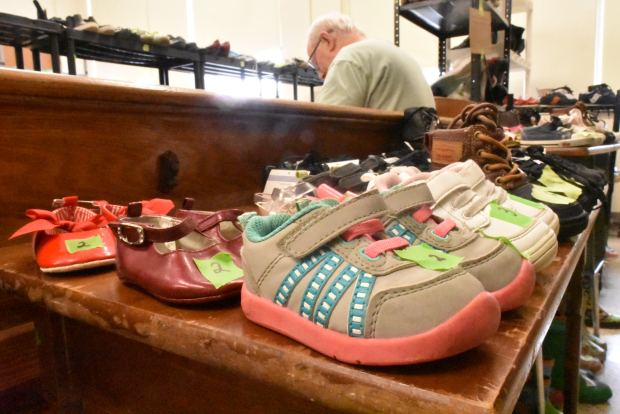
Many migrants arriving in Chicago had completed necessary paperwork in Texas, hoping to present their cases for residency. A significant number sought refuge in Oak Park, utilizing resources from the Oak Park Migrant Ministry, an interfaith initiative supported by the Catholic Parishes of Oak Park and based in a former Catholic school in Forest Park. Weekly, the ministry provided essential services like hot meals, clothing, and assistance with legal paperwork.
Celine Woznica, a volunteer at the ministry, shared her experience during the initial wave of migrants in late 2022. Texas Governor Greg Abbott’s decision to bus migrants to Illinois led to an overflow in Chicago’s shelters, and migrants resorted to setting up tents near police stations. Woznica, alongside a network of volunteers, provided crucial supplies such as mattresses, tents, and clothing.
As the demand for showers increased, St. Catherine’s-St. Lucy’s rectory opened its doors to migrants, offering necessities like fans and suitcases. Woznica emphasized the church’s role as a community support center rather than a mere shower facility.
The ministry now efficiently operates various rooms containing free stores with items like bedding, clothing, and toiletries. Volunteers distribute emergency information, including legal documentation handing over child custody if immigration authorities detain parents. Many migrants are hesitant to complete this paperwork, trusting in divine protection, yet the ministry stresses practical actions alongside faith.
Angel Suarez, a Venezuelan migrant, will soon present his case in court after residing in Chicago for three years. Self-reliant despite lacking legal representation, Suarez works delivering goods and anticipates a stable job. He expresses hope despite the looming uncertainty of a legal decision.
Cynthia Brito, an immigrant advocate, describes the harsh realities these migrants face. She reveals the underlying fear and drive for self-sufficiency among migrants, stressing the unpredictable nature of immigration status.
Suarez recounts obtaining minimal supplies at the Texas border, yet highlights personal achievements like securing housing and employment. Facing potential deportation, he acknowledges the anxiety of rebuilding life elsewhere.
Recent legal changes have compounded challenges for Venezuelan migrants. The Supreme Court enabled the revocation of temporary protected status, driving many to seek alternative paths amidst ongoing hardships in Venezuela.
Mass immigration hearings, plagued by confusion and overcrowding, offer little clarity. Brito notes the intimidating environment, compounded by language barriers and scarce legal representation.
She observes the distress among migrants fearing detention, affecting their decision to remain in the United States. Despite the dangers many endured to reach America, some reconsider their choices due to ongoing legal threats and family separations.
Leave a Reply