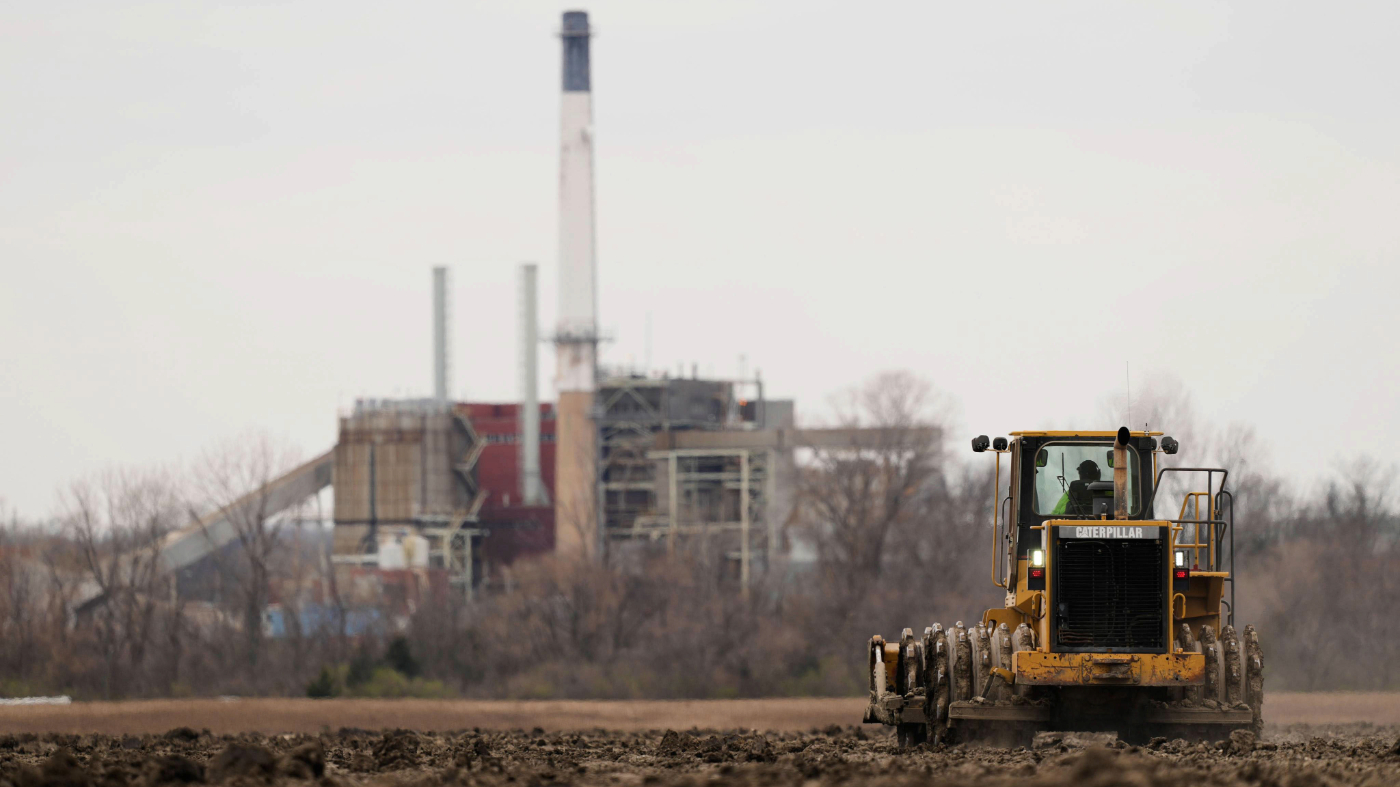
In Independence, Missouri, a worker is busy preparing a plot of land for an AI data center. Nearby, a retired power plant is being refurbished to provide electricity for this facility. This development marks America’s ongoing commitment to building infrastructure that fosters prosperity. Over the years, America has laid down railroads, constructed interstate highways, and wired the internet. These foundational technologies required vision, steel, and skilled hands, and they have driven growth, security, and prosperity for decades.
Currently, data centers and the energy to power them are the physical backbone of artificial intelligence. This technology is expected to define the next era of American security and prosperity. However, just as work begins on this vital infrastructure, a growing number of communities and states are considering stopping it. They are contemplating moratoriums and outright bans on further development.
Banning the construction of AI infrastructure is a serious mistake.
This statement does not imply that every project is flawless or that communities should not rigorously scrutinize them. Concerns about electricity, water, and site selection deserve thorough consideration. The workers involved in these projects live in these communities with their families, so they understand the stakes involved. Nonetheless, enacting a blanket prohibition on one of the fastest-growing sources of jobs and investment will be detrimental and could impose long-term costs on these communities.
The infrastructure that supports today’s economy and tomorrow’s AI innovations will be established. The key question is whether America will seize this opportunity or step back. The U.S. is presently the leading hub for data center investment globally, boasting thousands of operational facilities and hundreds more under construction. In central Ohio alone, data center construction accounts for 40 percent of all building trades work hours. Three campuses there have generated about 6.5 million work hours in construction in one year.
These figures are not mere statistics. They represent local electricians, pipefitters, engineers, laborers, ironworkers, carpenters, and other skilled trades workers earning sustainable wages, complete with healthcare and retirement benefits. Furthermore, they mean apprenticeships that offer young people a debt-free path into the middle class, creating real opportunities for entire communities that have long sought stable investment.
Having grown up in southern Ohio, I have witnessed firsthand the impact of losing good jobs and the significance of seeing substantial investment return. A newly announced project in Piketon aims to engage tens of thousands of construction workers in a region that has awaited an economic breakthrough for years. This narrative of data center-driven renewal is unfolding in towns across the nation, extending beyond construction sites.
Such projects contribute billions in state and local tax revenues annually, supporting schools, roads, and emergency services. Local suppliers, restaurants, and small businesses also experience benefits. Opponents of data center development often raise valid concerns, which warrant sincere responses. Communities should expect responsible development with robust oversight, contemporary infrastructure planning, and informed site decisions. Involvement in these processes is crucial.
However, there is a significant distinction between responsible oversight and an outright ban. Existing tools at various levels of government—including local zoning boards, state siting authorities, and utility regulators—evaluate these projects and establish how they should be built. Lawmakers can also address the toughest questions with specific regulations. A blanket moratorium disregards these careful assessments, replacing informed decisions with simply saying no.
If America halts its building efforts, technological advancements will continue elsewhere; China is not delaying its AI deployment. Any hesitation from the U.S. could result in falling behind, losing the benefits of jobs, talent, and technological leadership that come from taking the lead. States and communities that can tackle challenges while continuing development will secure the next wave of investments. Conversely, those that respond with inaction and perpetual prohibitions will lag.
It is essential which nation constructs the future. Historically, America has never retreated from building seminal infrastructure, and it should not do so now.
Austin Keyser is the International Vice President of the 4th District of the International Brotherhood of Electrical Workers, representing members in Ohio, Kentucky, Maryland, Virginia, West Virginia, and the District of Columbia.
Leave a Reply