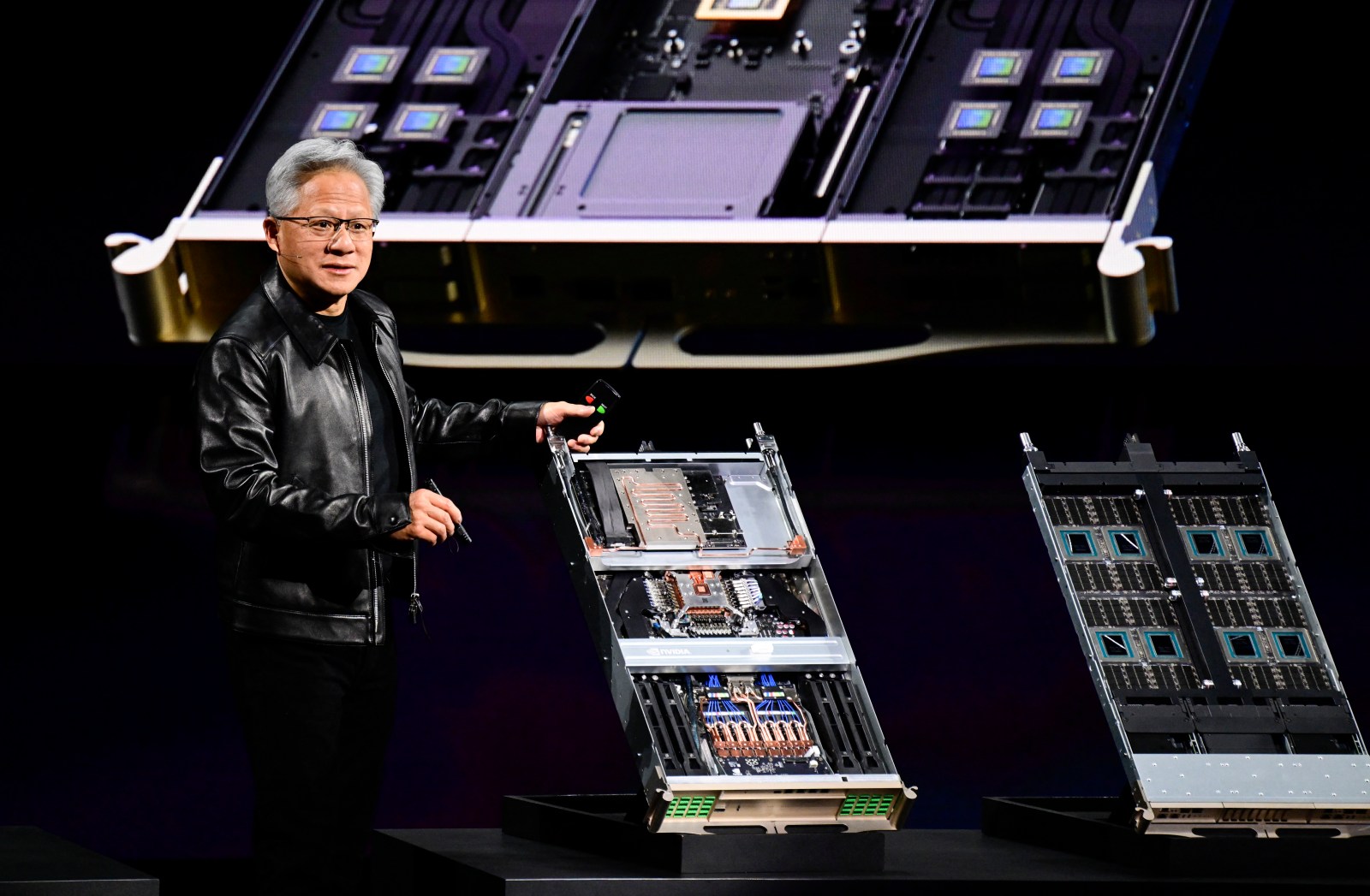
The semiconductor industry is buzzing with news surrounding Nvidia and its former CEO, Jensen Huang. Facing a professional setback, Huang stepped down after reports of extramarital affairs, one allegedly involving a woman suspected of Chinese intelligence connections. While these claims remain unconfirmed, they have sparked multiple investigations, including one by Nvidia’s board and a Justice Department probe into Megaspeed, a customer of Nvidia’s high-value chips.
Internal U.S. Government Tensions
This controversy highlights a deeper conflict within the U.S. administration, centering on America’s stance toward China. Treasury Secretary Scott Bessent and Commerce Secretary Howard Lutnick represent opposing views on handling trade with China, particularly concerning strategic technology like AI chips.
Bessent vs. Lutnick
Bessent favors restricting China’s access to U.S. technology, aiming to ensure long-term American superiority. He argues that blocking technological exports can maintain economic and national security advantages. Bessent has advocated for blacklisting Chinese companies suspected of tech diversions, pushing back against Lutnick’s more liberal trade policies.
Lutnick proposes a different strategy: selling technology to China to establish dependency. He believes that fostering reliance on U.S. tech creates leverage, citing economic benefits as key. Lutnick argues that maintaining a supply of advanced technology while restricting its best versions to the U.S. is strategically advantageous.
Huang’s Perspective
Jensen Huang has publicly critiqued U.S. export controls, claiming they have eroded Nvidia’s market share in China. He argues that allowing controlled sales could solidify U.S. influence, as reliance on American technology can deter Chinese companies from switching suppliers. Huang warns that cutting off the Chinese market could undermine the U.S.’s competitive edge in technology.
Debating National Security and Economic Strategies
The debate between technological control and strategic sales touches on broader themes of national security and economic strategy. On one hand, limiting China’s access to advanced chips might slow their technological advancements. On the other, controlled trade maintains economic ties and provides the U.S. leverage in its dealings with China.
“Controlling the tech supply to China is crucial,” argues the restriction camp, believing that technology export restrictions buy time for the U.S. to strengthen its position.
In contrast, those in favor of sales argue that a strong dependence on U.S. products ensures continued influence in Chinese markets and provides a strategic advantage.
Current Administration’s Actions
Former President Trump, advocating for an America First policy, has yet to settle this departmental rift. The mixed approach taken so far includes case-by-case evaluations of chip exports to ensure that such sales do not compromise national security.
With Trump traveling to Shenzhen to meet Xi Jinping, alongside Lutnick, the Nvidia situation will likely remain unaddressed directly during diplomatic talks. However, moving forward requires clear stances on managing American technological assets while considering potential risks.
Looking Ahead
The situation at Nvidia is a microcosm of larger U.S.-China tensions. America must balance technological advancement with strategic discretion. Whether Jensen Huang’s professional career sees a revival or not, his advocacy for maintaining a presence in the Chinese market stands as a crucial argument in ongoing tech policy discussions.
Leave a Reply