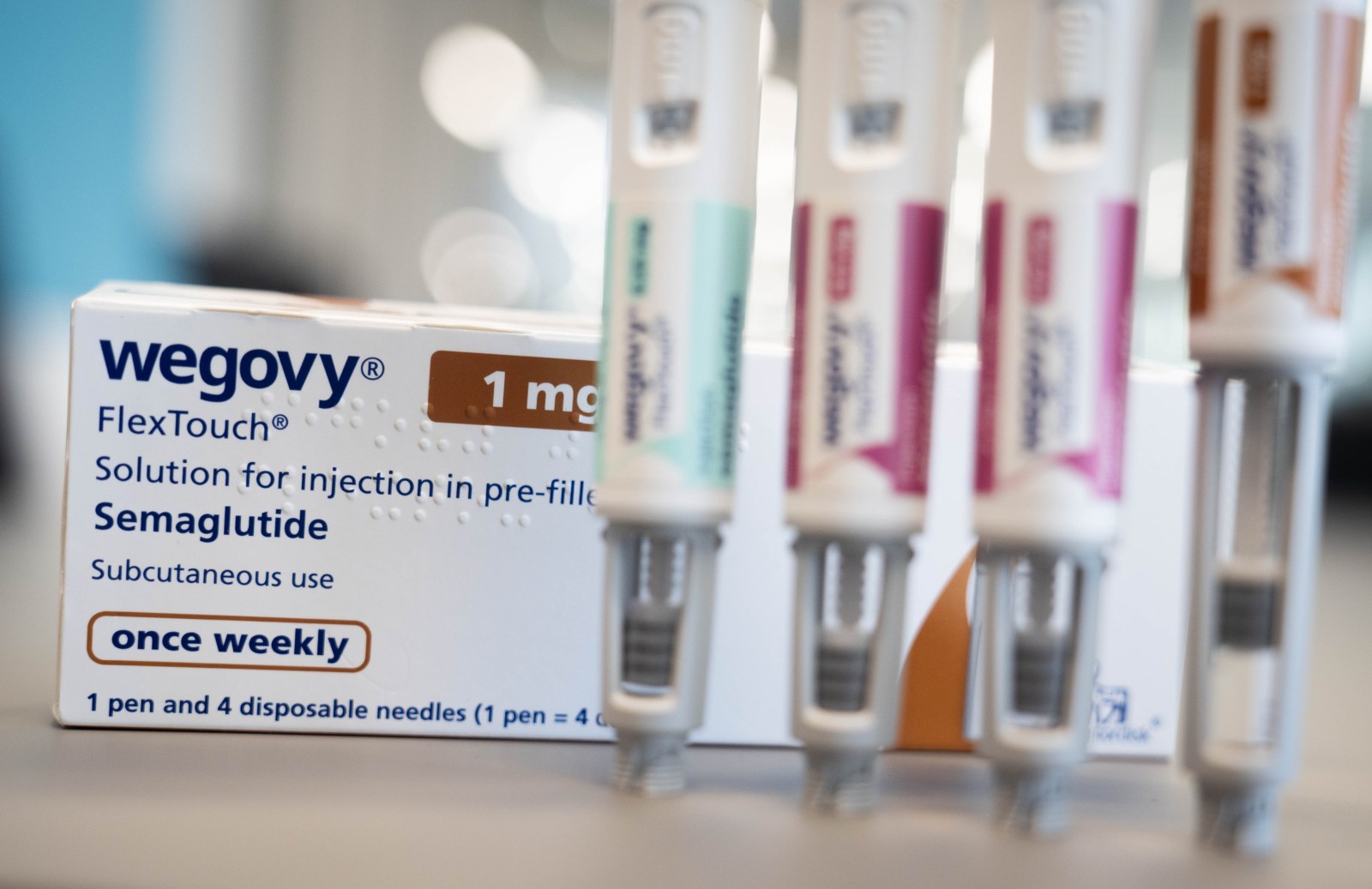
Drugs like Ozempic and Wegovy are known for their effectiveness in weight loss. However, experts caution about potential mental health risks. These GLP-1 receptor agonists not only aid in shedding pounds but also interact with brain systems related to reward, impulse control, and mood.
Scott Kanoski from the University of Southern California highlights that these drugs can affect brain areas linked to emotion and memory. The consequences are not well comprehended and could vary by patient and medication type. There is evidence suggesting a significant reduction in alcohol consumption among those using semaglutide, although the impact on eating disorders and mental health remains unclear.
Emerging Mental Health Concerns
The American Psychological Association raised concerns about potential dopamine depletion impacting enjoyment and social interactions. The National Eating Disorders Association has also warned against the suitability of these drugs for individuals with eating disorders due to risk factors like misuse or exacerbation of conditions. Rapid weight loss from these drugs, achieved with a weekly injection, might lead to ‘drug-induced’ anorexia according to some researchers.
Studies indicate heightened risks of anxiety, depression, and suicidal ideation in users. Analysis across universities suggests GLP-1s might have a paradoxical effect, potentially reducing addiction while exacerbating depressive symptoms.
GLP-1 Misuse and Access Risks
Dr. Sarah Boss from BALANCE Rehab Clinic reports misuse of GLP-1 drugs among patients without clinical indication. Many obtain these prescription-only drugs without medical oversight. Similar misuse patterns are noted by Andrew Hardaway from the University of Alabama. There are cases of ‘cosmetic abuse’ and dangerous seeking of unverified medications.
Questions about the American regulatory system’s ability to keep pace with these drugs’ popularity have been raised. Dr. Boss observed patients experiencing significant mental health challenges linked to GLP-1 use but continuing due to weight-loss fears. Lack of clinical supervision leads to psychological dependence and distress upon cessation.
Mixed Evidence and Ongoing Research
Paul Kenny from Mount Sinai underscores the dual nature of GLP-1 effects on mental well-being, highlighting reduced cravings but urging restraint in declaring them wholly beneficial. Understanding individual variability in response remains critical, necessitating more focused research.
Ali Güler from the University of Virginia notes the drugs’ potential to enhance well-being but stresses their non-neutral psychological implications. The benefits might not be universal, requiring consideration of a patient’s history and the prescription context.
A Call For ‘Personalized’ Care
Hardaway advocates for personalized medicine in administering GLP-1s, emphasizing the need for tailored dosage to maximize benefits while minimizing potential misuse and side effects. Customization is currently experimental, with generalized, non-validated guidance prevalent. Rigorous research and trials are necessary to refine and validate the therapeutic use of GLP-1s.
Leave a Reply