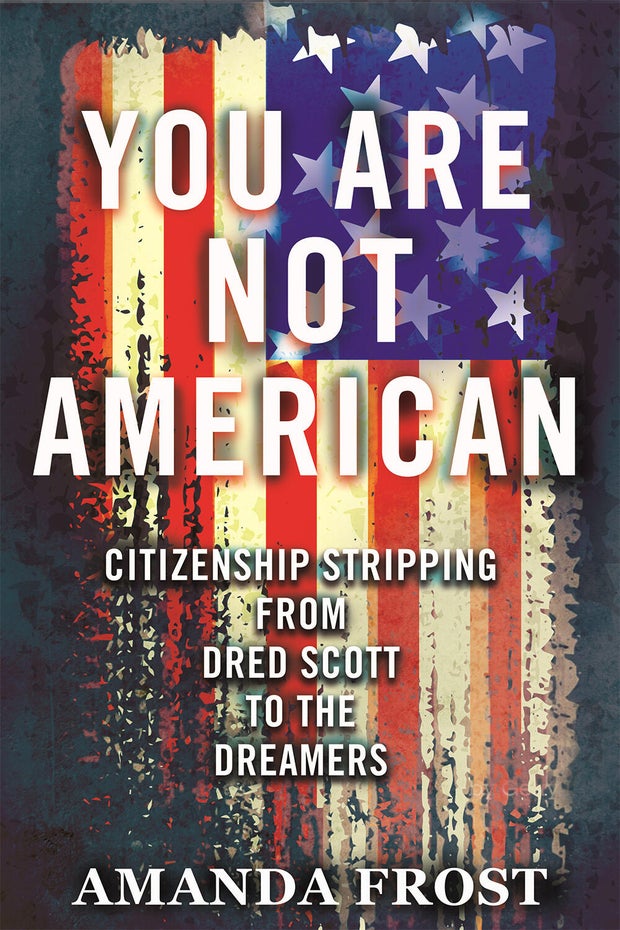
The issue of birthright citizenship is a critical aspect of U.S. law, found in the 14th Amendment of the Constitution. It states, All persons born or naturalized in the United States, and subject to the jurisdiction thereof, are citizens of the United States and of the State wherein they reside.
This establishes that anyone born within the United States automatically gains citizenship, as explained by Amanda Frost, a law professor at the University of Virginia. Exceptions apply to the children of diplomats and invading armies only.
Despite the clarity of this constitutional provision, public opinion is divided. A Pew Research Center poll indicates 50 percent of Americans support granting citizenship to children of undocumented immigrants born in the U.S., while 49 percent oppose it. This division reflects broader debates over immigration policy and the interpretation of constitutional rights.
In January 2025, former President Trump issued an executive order challenging the universal application of the 14th Amendment, aiming to deny citizenship to most children born to undocumented or temporary U.S. residents. This move could impact approximately 250,000 children annually. Although blocked by a lower court, the order is now pending a Supreme Court decision.
The Supreme Court has historically played a significant role in defining citizenship. The 1857 Dred Scott v. Sandford case is infamously known for denying citizenship to Black individuals, a decision later overturned by the 14th Amendment. This amendment also addressed the citizenship of children born to immigrants, acknowledging their status as U.S. citizens.
A pivotal case concerning birthright citizenship was that of Wong Kim Ark in 1895. Denied reentry to the U.S. due to the Chinese Exclusion Act, Wong fought for his rights, and the Supreme Court ruled in his favor, confirming the principle of birthright citizenship despite prevailing anti-Chinese sentiments.
However, current debates rekindle issues not considered during the 14th Amendment’s ratification. Rogers Smith, a political scientist, suggests Congress has the authority to limit citizenship for children of unauthorized immigrants. He argues that rather than relying on the courts, such decisions should be made by elected representatives. Though his research has been used to support restrictions on birthright citizenship, Smith opposes these efforts.
Globally, birthright citizenship policies vary. Most countries offering automatic citizenship are in the Americas. In contrast, many have moved away from this model. Ireland, for instance, ended automatic citizenship in 2005. This change left individuals like Mariam Sobayo, born to Nigerian parents in Ireland, stateless until she became a citizen at 18.
According to Amanda Frost, eliminating birthright citizenship is not the solution to immigration challenges. She highlights the U.S.’s success in integrating immigrants, with nearly half of Fortune 500 companies led by immigrants or their children. Despite disagreements over policy, Frost appreciates the dialogue about birthright citizenship’s importance in fostering equality and rejecting inherited privilege.
Leave a Reply