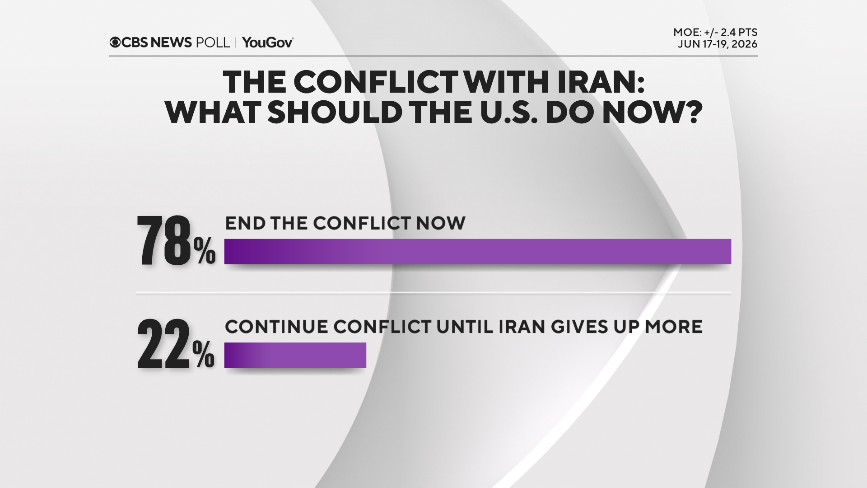
The ongoing conflict with Iran has stirred significant opinions among Americans, especially those facing high gas prices. Many are eager for the war to end, hopeful for a reduction in fuel costs. Yet, this potential resolution is clouded by skepticism on the success of U.S. strategic and economic goals.
Concerns About Iran’s Nuclear Ambitions
Most Americans doubt the permanent cessation of Iran’s nuclear program and fear ongoing threats to neighboring countries. These concerns persist alongside a lack of belief that any significant change in Iran’s pro-U.S. leadership objectives has been achieved. During the war, U.S. aims often included ensuring the safety and freedom of the Iranian people.
Internal Party Divisions
Within the Republican ranks, opinions vary. A considerable faction insists the conflict should continue until Iran further concedes. This group is united in its view that leaving the current Iranian regime in charge is unacceptable. Republicans remain divided on whether the U.S. has achieved its aims of halting Iran’s nuclear ambitions or regional threats. The new agreement is seen by some as an uneven compromise, lacking definitive success.
Public Perception on Timing
There is widespread belief that the administration underestimated the global economic impact of the conflict’s resolution. The public perceives the administration as focused solely on ending the conflict now. Despite these sentiments, the prospect of reduced gas prices has stabilized overall approval ratings for the president. His handling of the situation with Iran has seen a modest upward bump, particularly endorsed by non-college-educated White Americans struggling with recent price hikes.
What Lies Ahead
The push for ending the war is partly driven by gas prices, which many expect to decline, though some anticipate persistent threats, including potential interference with the Strait of Hormuz by Iran. Nationally, uncertainty remains regarding Iran’s current status; only a third of Americans believe Iran is weaker now. The majority think Iran’s situation remains unchanged.
Broader Concerns
Beyond gas prices, Americans express equal concern over Iran’s nuclear program. The unchanged leadership in Iran accentuates fears of regional threats. Half of Americans find concluding the conflict with existing leaders unacceptable. Overall, many feel the war has yielded more complications instead of resolutions.
This information is based on a CBS News/YouGov survey conducted with 2,519 U.S. adults between June 17-19, 2026. Interviews were structured to mirror U.S. demographics in gender, age, race, education, and past voting patterns. The margin of error is ±2.4 points.
Leave a Reply