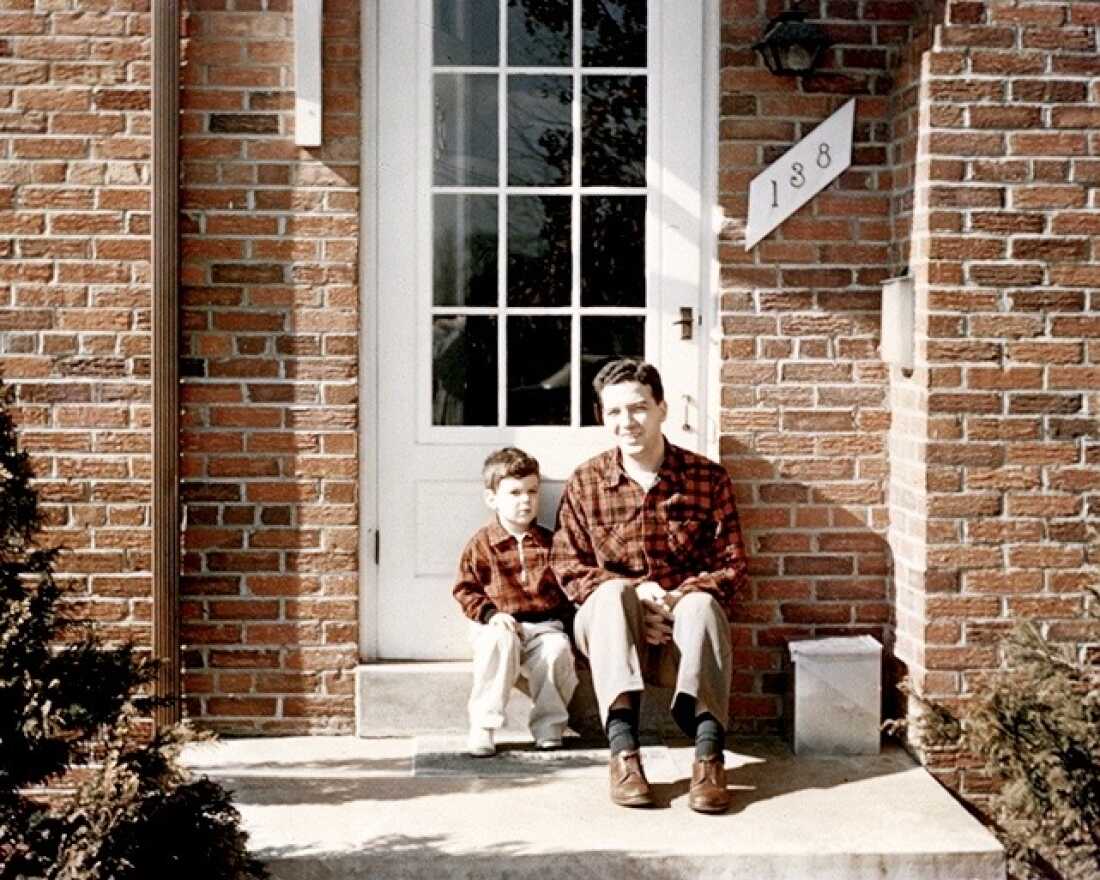
Recently, I watched The History of Sound, a period drama that resonated with personal memories of my late father, as it partially unfolds in 1919, the year he was born. The film follows two music conservatory students, David and Lionel, played by Josh O’Connor and Paul Mescal respectively. They meet in a New England bar, showcasing their knowledge of obscure folk songs until Lionel stumps David with ‘Silver Dagger.’ Their camaraderie blossoms into romance, leading them to rural Maine to preserve folk songs using wax cylinders and state-of-the-art recording equipment of the time.
Recording sound in 1919 was a marvel, as the phenomenon had typically vanished into the air before this. In my line of work, mixing movie audio with vocal recordings, I had given little thought to the origins of sound recording. The journey began in the 1850s with Édouard-Léon Scott de Martinville’s phonautograph, which recorded sound waves as lines on soot-covered paper. Though his invention wasn’t intended for playback, today’s digital technology has allowed us to convert these into audible sound, as seen with an 1860 recording of ‘Au Clair de la Lune.’
In 1877, Thomas Edison invented the phonograph, providing a commercial application for sound recording. His method etched voices onto tin foil strips for playback, immortalizing the specific accents and inflections. Edison’s first recorded words were part of the nursery rhyme ‘Mary had a little lamb.’ He foresaw the phonograph serving various purposes, including music reproduction and memory preservation, eventually integrating with inventions like the telephone. By 1919, recordings progressed from tin foil to wax cylinders, the medium used by Lionel and David during their Maine excursion—a year coinciding with my father’s birth.
Reflecting on these developments brings a sense of nostalgia about my father, whom I never recorded despite my career in sound. Before smartphones, capturing everyday conversations wasn’t as common. The only recording of him that I had was a brief phone message due to his voice being cut off after I picked up the line. When NPR updated to a new phone system, I lost that precious recording.
The film ends emotionally with an older Lionel discovering David’s wax cylinder recording decades after their initial journey. As David’s voice emerged, singing ‘Silver Dagger,’ it became a poignant reminder of lost connections. This scene mirrored my wish to hear my father’s voice again. My father was a prominent government lawyer, and through a friend’s recollection about his Supreme Court case, I discovered a recording of him arguing on February 18, 1963.
The recording begins with Chief Justice Earl Warren introducing the case, and the memory of my father preparing for court in formal attire came rushing back. Listening to his young, assured voice discussing the case offered a glimpse into his professional life, revealing nuances of a Bronx accent I’d forgotten. Despite the case being lost, the clarity and confidence of his voice brought back vivid memories.
The act of hearing his younger voice despite its context—whether discussing a court case or everyday questions I asked as a child—felt like a gift. It connected me to him in a uniquely meaningful way. Thanks to pioneers like Edison and Scott de Martinville, these recordings transcend time, allowing voices once lost to resonate again. I cherish this capability profoundly.
Leave a Reply