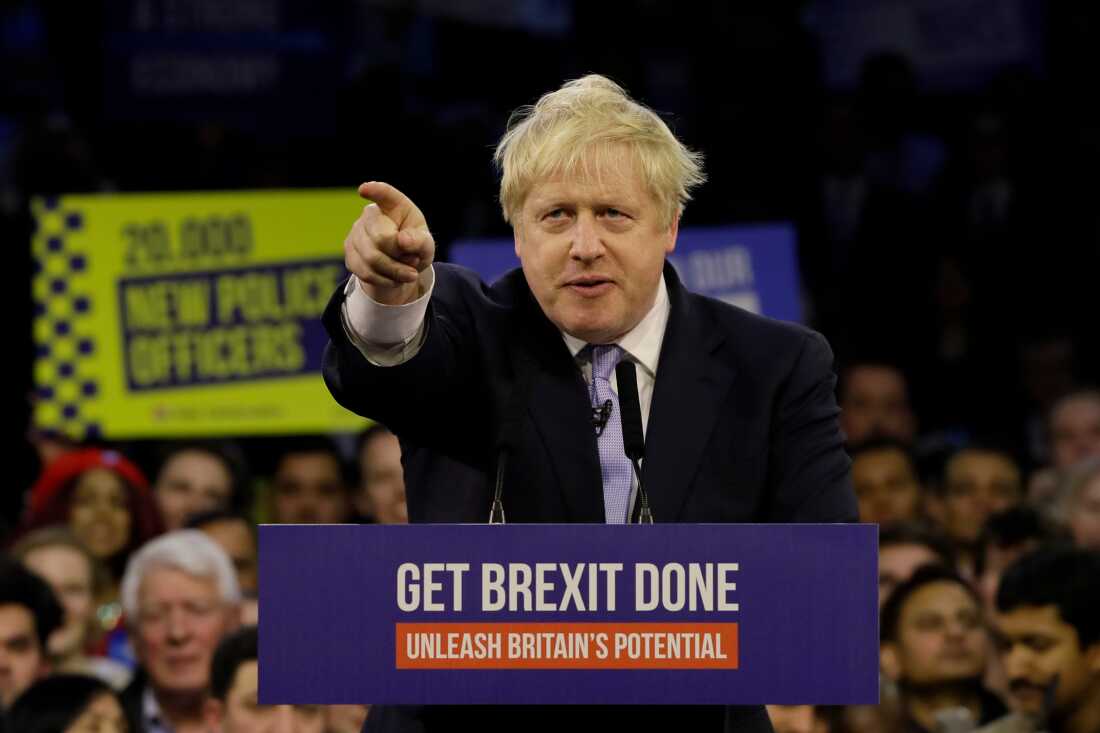
On Dec. 11, 2019, Boris Johnson, then Prime Minister of Britain, addressed his Conservative Party during a rally in London. Brexit had broken both the European Union and British politics. Since June 23, 2016, when Britain voted 52% in favor of leaving the EU, the country has seen seven prime ministers.
David Cameron, a Conservative Prime Minister who initiated the referendum, resigned the day after the vote. His successors have struggled to manage Brexit’s aftermath. The recent resignation of Labour Prime Minister Keir Starmer, after two years dealing with economic difficulties and a divided electorate, is a testament to Brexit’s enduring influence.
Despite fading headlines, Britain’s politics is still influenced by the Brexit decision. Chris Grey, an academic specializing in the effects of Brexit, stated that the decision still affects the nation. The Brexit campaign promised control over laws, economy, and borders. But the emotional nature of the “leave” campaign overshadowed economic concerns raised by the “remain” side.
Just weeks before the referendum, Boris Johnson encouraged voters to pursue a promising future outside the EU. Historian Margaret MacMillan explains that nostalgia fueled Brexit, with people longing for an imagined past. Concerns over immigration and EU regulations were also significant factors.
Hard realities soon challenged Brexit’s promises. Immigration controls, trade deals, and public service funding did not meet expectations, leading to difficult negotiations. Formal departure from the EU was on Jan. 31, 2020, following an 11-month transition. Prime Ministers Theresa May, Boris Johnson, Liz Truss, and Rishi Sunak struggled to align with public and parliamentary demands. Starmer’s promise to reset relations never included rejoining the EU’s single market.
The political parties fractured. Historian Anthony Seldon noted the referendum worsened internal conflicts within the Conservative Party. Labour also faces internal strife over EU ties. Voters have shifted towards alternatives, such as the Green Party and the hard-right Reform UK, led by Nigel Farage.
The economy faced challenges, including Brexit, the pandemic, and international conflicts. Hannah White from the Institute for Government criticized politicians for unfulfilled promises. Trust in politicians declined, and immigration debates intensified, despite fluctuating migration numbers.
Brey believes traditional political discourse is eroding, beginning with Brexit. Anti-immigration sentiment has led to street violence. An Ipsos survey showed 52% of Britons favor rejoining the EU, showing some “Bregret.” Marches continue, though smaller than past protests. Brexit remains a divisive issue with politicians hesitant to address.
Grey fears Britain’s low-grade crisis persists without confronting Brexit. He suggests it’s like an untreated illness affecting energy, generally chronic but not incurable, yet politically unpalatable to tackle.
Leave a Reply