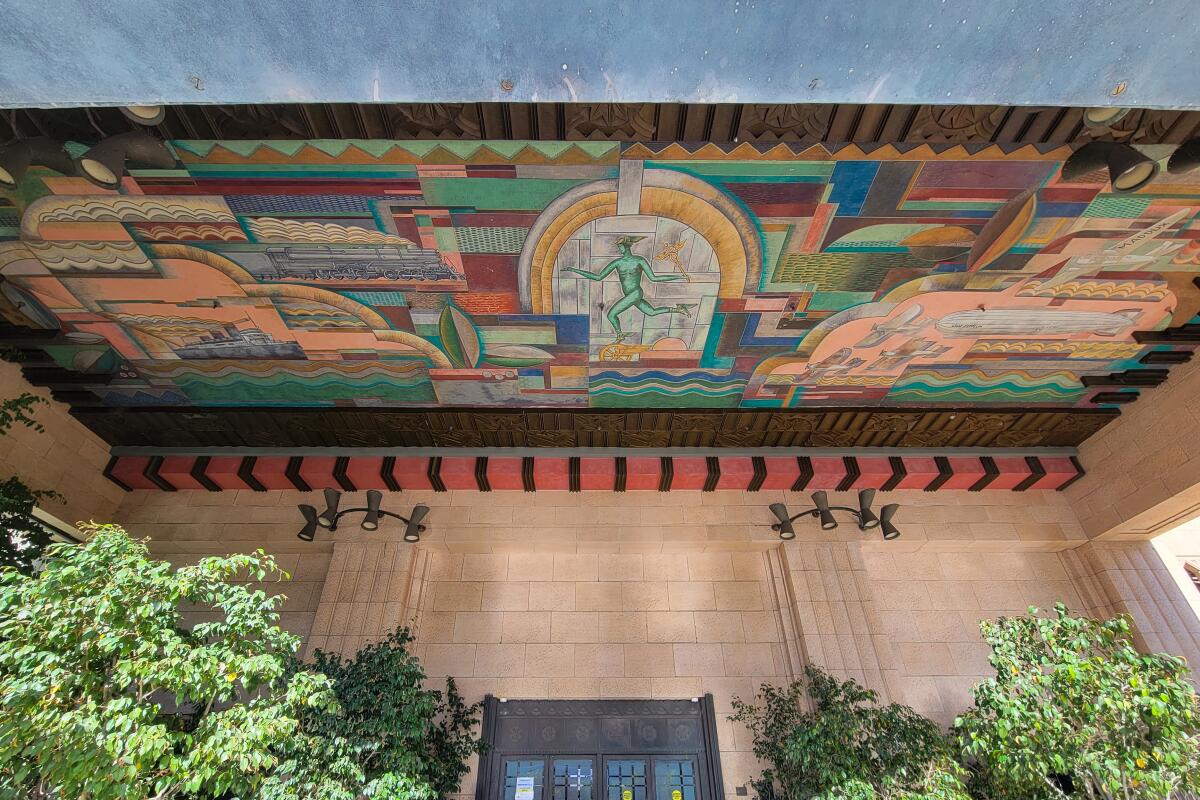
Growing up in Los Angeles, department stores served as markers of social class. Each store represented a distinct societal tier. According to my grandmother, May Co. was affordable, especially during sales. Broadway was slightly pricier, offering occasional deals. Bullocks served the Buick and Lincoln owners, Robinson’s catered to the Cadillac crowd, and I. Magnin was known for its Rolls Royce clientele.
While my grandmother usually window shopped, department stores allowed her to experience different social strata in post-war L.A. She often left with nothing more than a perfume sample on her hand. This summer marks 20 years since the end of the classic L.A. department store era, with the removal of Robinsons-May signs marking a significant shift. Rob-May outlasted Bullock’s and other local stores but eventually succumbed to national chains and evolving consumer behaviors favoring stores like Target and Kohl’s.
These department stores once held great status and impact in 20th-century Los Angeles. Their advertisements filled newspapers, with mid-market chains like May Co. and Broadway occupying the news sections. Upscale stores like Robinsons appeared in features sections, showcasing hand-drawn sketches amidst dramatic landscapes.
L.A.’s Class Barometer
Department stores began with grand emporiums in downtown L.A., accessible via streetcars. They transitioned to accommodate car culture and suburban expansion, anchoring the malls that became new suburban centers. A Bullocks or a Robinson’s arrival signaled a community’s sophistication.
Department stores meant more than shopping. My grandmother purchased her clothes at the more affordable Fedco but saw fancy stores as her amusement park. She would take us to Bullock’s Wilshire Tea Room, where patrons donned hats and gloves in the late 1980s.
She visited Robinson’s in Beverly Hills, not aware of the luxury materials like Travertine stone or Rose marble that adorned the store. When Robinsons-May closed in 2006, employees mourned not only the loss of a high-end store but a unique public space. One former employee recalled working in shoes before moving into demolition.
Before these stores closed, my grandmother explored her favorite locations, which included Macy’s on Lake Avenue, Pasadena. This store retained the charm of vintage fixtures, furniture, and murals.
My Grandmother’s Disneyland
Traveling to Pasadena with us, she enjoyed witnessing a lifestyle different from her own. She’d pile us into the car for these trips, eager for a glimpse of ‘how the other half lives.’
Today’s retail landscape has changed significantly. Macy’s continues to announce store closures, and I wonder if the Pasadena location will be next.
Seeing How the Other Half Lives
Though traditional department stores dwindled, some locations still offer glimpses of the past. Bullocks in Pasadena, now Macy’s, retains a whimsical space that evokes a bygone era.
Shopping habits have evolved, with online platforms dominating. The significance of these retail environments has transformed, but the memories they created continue to hold a special place in the hearts of many, including mine.
Leave a Reply