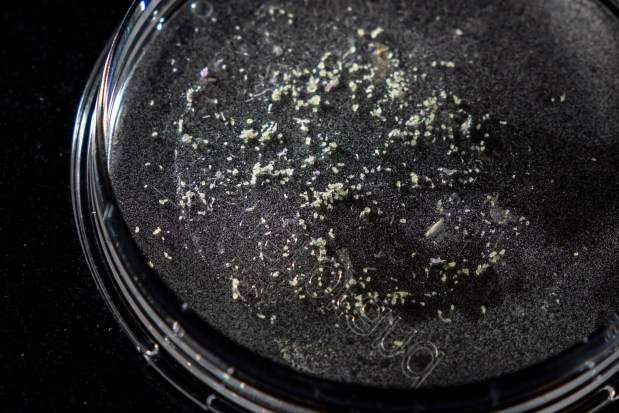
Melissa Duhaime spent over ten years researching plastic waste in the Great Lakes. Her findings were alarming, with solutions hard to come by. Despite facing powerful companies intent on increasing plastic production, she found hope in an ancient, sustainable material: flax, used historically for linen. This viable option can replace synthetic fibers used widely today in clothing, vehicles, and construction.
Duhaime, a University of Michigan biologist, has shifted her focus to flax, which can be spun and woven instead of plastic-derived fibers that shed microplastics. These fibers are found in every sample collected from the Great Lakes, impacting aquatic life by absorbing toxic chemicals. The flax fibers also stand as an alternative to carbon fiber in vehicles, a solution already being explored by European automakers like BMW and Volvo.
Collaborating with other researchers, Duhaime has shown that microplastics hinder aquatic ecosystems. In response to the proliferation of synthetic materials, she and her husband have adopted a sustainable lifestyle on a farm, using sheep wool and growing flax. Duhaime also became involved with sustainable textile production advocate Rebecca Burgess, promoting traditional methods for textile creation.
The Scale of Plastic Pollution
The scale of plastic pollution is daunting. Over 8 billion tons of plastic waste fill our environment, with significant amounts ending up in the Great Lakes. This results in harmful microplastics affecting human health.
Efforts to find substitutes for plastics involve scientists, activists, and policymakers. They aim to cut down plastic production, promote sustainable options, and clean up existing litter. The scale of waste is staggering, influencing legislation, and drawing attention to the pervasive impact of plastic pollution.
Natural Solutions and New Opportunities
U.S. automakers are starting to consider flax, and the newly created THREADS Natural Fibers Institute reflects a return to natural fibers. This movement envisions a system where natural fibers are used, recycled, and returned to the soil sustainably. This focus on sustainable materials could strengthen connections between urban and rural areas, potentially healing economic divides.
Efforts in other areas like Wisconsin highlight the potential for regional production. There’s interest in reviving flax cultivation to create local and independent supply chains.
Challenges Facing Recycling
Recycling plastics effectively remains a challenge due to proprietary chemicals and the complexity of processes involved. Some states are introducing laws, such as “extended producer responsibility,” that require companies to pay for managing plastic waste, aiming to push industries towards more sustainable practices. These laws face significant opposition from industries unwilling to change their plastic production habits.
Beach cleanups led by organizations such as the Alliance for the Great Lakes raise awareness and show the potential for community action. Furthermore, experiments with filters on washing machines prove effective in reducing microplastic waste entering waterways, highlighting the importance of technology in addressing pollution.
Despite industry resistance, efforts by communities, researchers, and policy advocates aim to pressure producers to take responsibility. Lawsuits and lobbying attempt to curtail new regulations, reflecting the ongoing battle between environmental advocacy and corporate interests.
A Shift Towards Sustainability
New businesses like Engrained Brewing Co. prioritize sustainable practices by using recyclable and compostable materials. These efforts towards sustainability reflect a broader cultural shift against reliance on plastics. Entrepreneurs are exploring flax industries, aiming for economic and environmental benefits that could reshape regions.
Despite challenges, these efforts represent a growing recognition of plastics’ environmental toll. Melissa Duhaime and others are working towards a sustainable future grounded in historical practices, highlighting that creative approaches and community action can make substantial impacts.
Leave a Reply