The Surge of AI-Generated Content
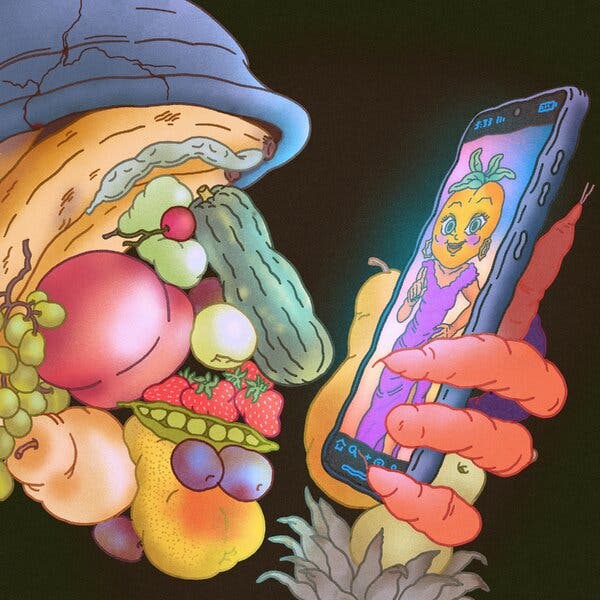
In March, a TikTok channel named ai.cinema021 released over 20 episodes of an AI-generated dating show titled ‘Fruit Love Island.’ The show features humanoid fruits, each with exaggerated sexual traits such as toned bodies or prominent chests. The conversations are both clichéd and alien, mimicking TV dialogues.
For instance, a character named Bananito boldly declares, ‘I’m here to have fun and probably break a few hearts,’ prompting laughter from Orangelo, who quips, ‘Bro said the quiet part out loud.’ Viewers notice continuity issues, like changes in attire or time of day between cuts. Many scenes gratuitously involve fruits doing backflips.
The Viral Phenomenon
To those familiar with AI-generated content, commonly referred to as slop, ‘Fruit Love Island’ may seem unremarkable. However, it became a breakout phenomenon amid the flood of short-form online videos. Each installment attracted over 10 million views, leading to offshoots like ‘Fruit Paternity Court’ and a drama about pregnant broccoli.
This virality offers two interpretations: people either loved and shared it, or they found it infuriating and shared it out of frustration. The series seemingly provoked negative emotions, compelling viewers to share it with comments like, ‘Look how everything is deteriorating.’ Either way, the algorithm noticed the engagement and spread it globally.
Cultural Implications
Many observers consider these fruit videos a low point for internet culture, further diminishing the already criticized ‘Love Island’ reality show. A BBC News headline captured this sentiment: ‘Think “Love Island” Is Bad? Wait Until You See the A.I. Fruit Version.’ ‘Fruit Love Island’ reduced the triviality of reality TV for even shorter attention spans, becoming perfect for social media clips and TV discussions.
This brings us to an intriguing aspect of AI content. Social media platforms overflow with bizarre AI creations, from shrimp Jesus to Lego-styled Iranian propaganda, which users largely disdain. Identifying content as AI-made can quickly turn public sentiment against it. The widespread visibility of AI slop, paired with a universal negative reaction, may help re-establish a shared cultural baseline, a valuable asset for societal cohesion.
The Era of Monoculture
The notion of monoculture involved a time when TV, movies, and music shaped shared experiences. In those days, people could comment on characters like Steve Urkel from ‘Family Matters,’ and others would immediately understand. Although it often led to banal entertainment, the shared experience fostered a sense of community.
The peak of monoculture aligned with the dominance of network television from the 1950s to the 1990s. Audiences tuned into the same shows at the same times, creating collective cultural touchpoints. While these programs aimed to captivate vast audiences, they often sacrificed artistic quality.
In conclusion, while AI-generated content may seem like cultural decay, it might inadvertently reintegrate a sense of shared experience that the internet age diminished.
Leave a Reply