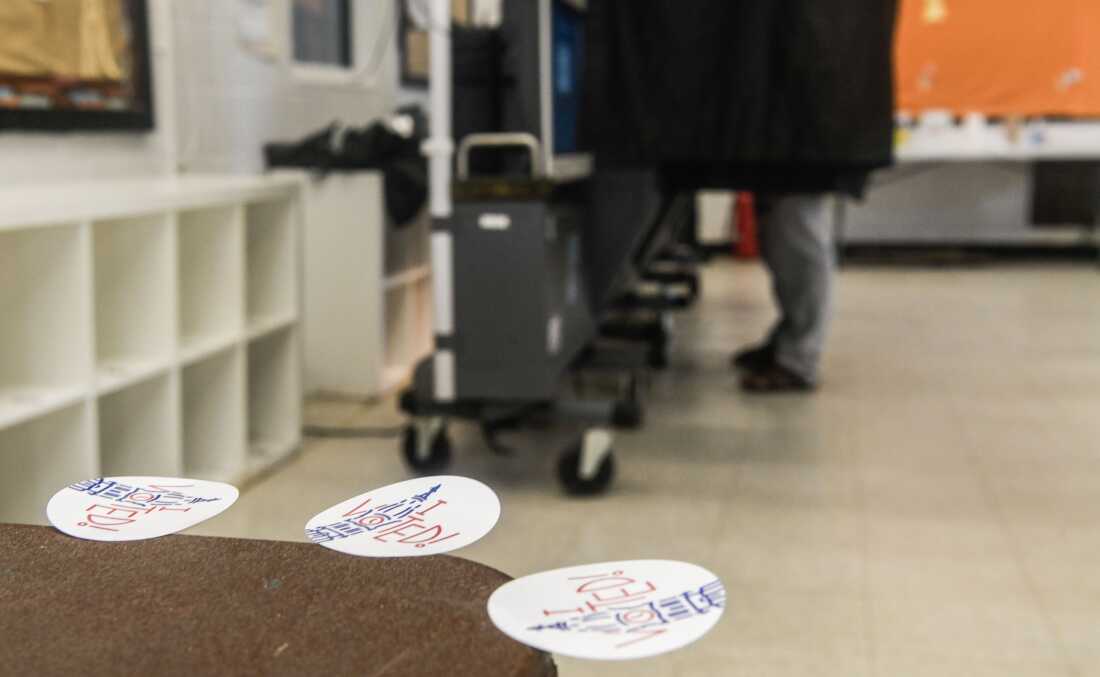
Many citizens cast their votes in the Pennsylvania primary election on May 19, hoping for change. However, the structure of primary elections is contributing to increased polarization in Congress. Some lawmakers criticize closed, single-party primaries. They argue these systems limit voter choice and encourage allegiance to party lines over independent political judgment. Primary reform supporters have long voiced these concerns.
John Opdycke, president of Open Primaries, highlights the detrimental effects of current primary practices. He notes how both major parties attempt to shape election outcomes before voters can make decisions. Such actions undermine the democratic process.
Recent events show GOP primary voters in states like Indiana and Kentucky ousting lawmakers who opposed former President Trump. These moves occur during mid-decade redistricting, initiated by Trump, which has further limited competitive U.S. House districts. Now, over 90% of seats are considered safe for one party.
These primaries, often managed by the parties, exclude independent voters, and see less participation than general elections. They essentially determine most U.S. House representatives.
Nick Troiano, director of Unite America, advocates for nonpartisan primaries. He warns about the consequences of partisan gerrymandering combined with partisan primaries, leading to more polarization. Elected officials face ideological extremes in their primaries, which threatens reelection.
Rep. Brian Fitzpatrick, R-Pa., represents a competitive district, promoting independence among candidates. However, Pennsylvania’s closed primary process hinders him from fully acting as a political independent. Closed primaries discourage congressional members from seeking compromise due to fear of losing to more extreme opponents. Fitzpatrick argues for open primaries to let all voters participate in every election.
“We should at least agree that every American citizen should never be denied the right to vote in every single election,” Fitzpatrick said, pushing for states and parties to embrace open primaries.
Sen. Bill Cassidy, R-La., faces similar challenges. Though Louisiana had open primaries in the past, recent changes to a semi-closed system limited his support, resulting in his defeat during the GOP primary. Cassidy criticizes such systems for pushing politicians toward extremes.
Sen. Lisa Murkowski, R-Alaska, offers a contrast. She lost her primary to a hard-right challenger in 2010 but won as a write-in candidate in the general election. Alaska implemented an open primary system where all candidates appear on a single ballot, leading to Murkowski’s reelection despite voting to impeach Trump.
This open system allowed over 60% of voters in Alaska, who prefer not to align with any party, to participate and choose candidates representing their interests. Murkowski emphasizes that closed primaries limit participation, encouraging broader reforms.
Despite the benefits observed in states like Alaska, political parties resist relinquishing control over primaries. Opdycke notes increased efforts to close open primaries due to reduced gerrymandering opportunities. Republicans, and sometimes Democrats, pursue control over primaries.
Troiano reports that recent ballot measures aiming to establish nonpartisan primary systems failed, indicating challenges for reformers. Now, efforts focus on opposing bills closing primaries to independent voters.
Opdycke clarifies misconceptions about open primary systems leading to moderate candidates. He argues closed primaries discourage collaboration across party lines, even on shared issues like energy and education.
Public opinion favors compromise in Washington to find solutions, with around three-quarters supporting it in prior polls. But dissatisfaction with Congress persists due to polarization and limited competitive races.
Leave a Reply