Colombia’s Political Crossroads
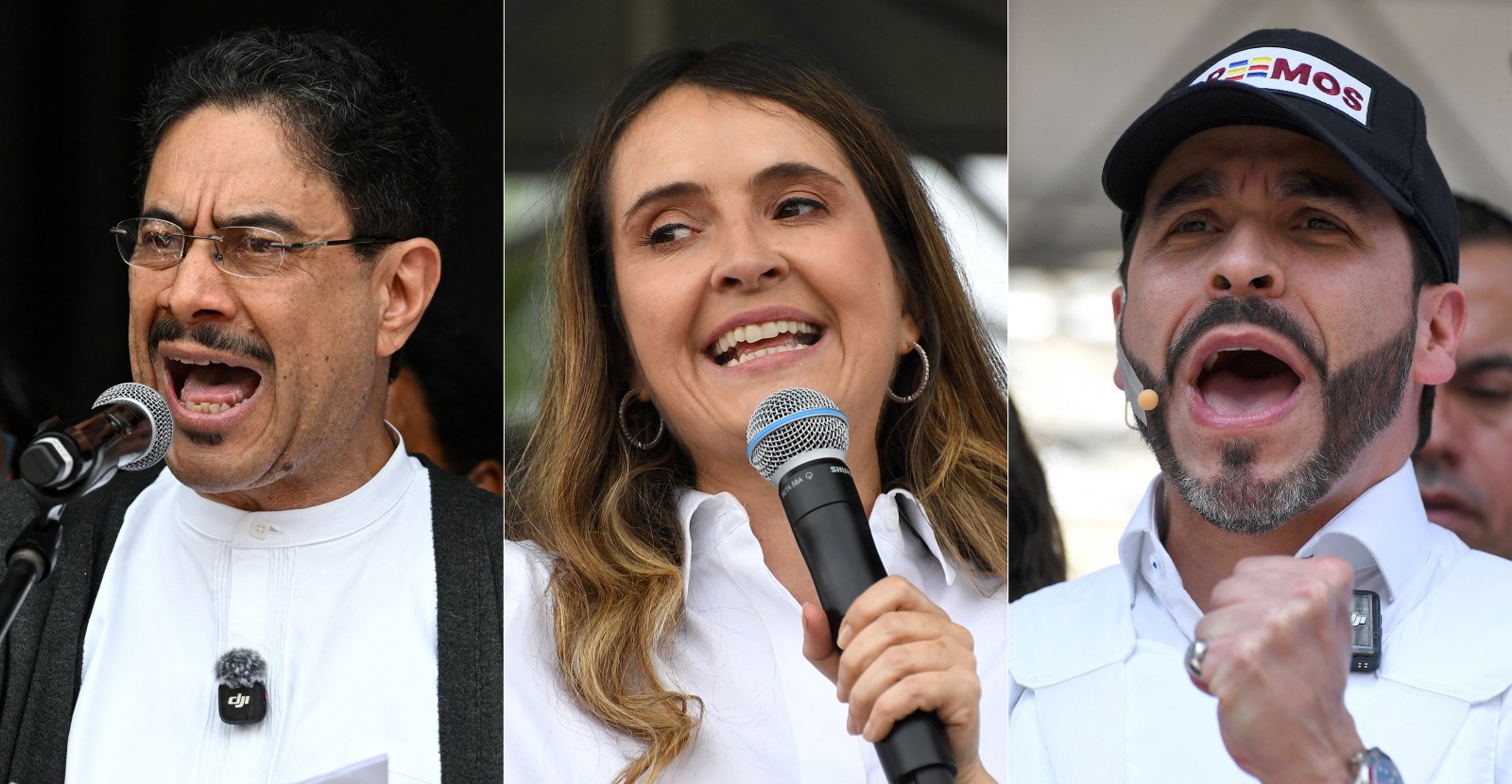
Four years after the presidency of Gustavo Petro, Colombia’s political landscape faces a significant shift. Voters are now deciding whether to continue Petro’s left-wing political agenda or hand power to a fresh right-wing contender. Ivan Cepeda, Petro’s handpicked successor, leads the race along with Abelardo De La Espriella, a lawyer who has emerged as Colombia’s most noteworthy right-wing candidate.
The Surge of a Right-Wing Challenger
De La Espriella’s campaign mirrors a well-known formula in the Americas: anti-establishment rhetoric, active engagement on social media, and pledges to enhance security while countering the left-wing. Known as “The Tiger,” his approach aligns with figures such as Donald Trump and other right-wing populists including Javier Milei, Jair Bolsonaro, and Nayib Bukele.
Deep Divisions Ahead of the Election
Colombia enters Sunday’s election deeply divided. Petro’s approval ratings reflect a nation torn between support and opposition. “There is fatigue with the traditional left-right divide,” said Gimena Sanchez, director at the Washington Office on Latin America’s Andes program. This frustration provides a fertile foundation for De La Espriella’s political platform, which emphasizes defeating Petro’s movement over detailed policy proposals.
The Election Dynamics
Polls suggest Ivan Cepeda, Petro’s favored successor, holds a leading position. However, De La Espriella’s rise has been remarkable, increasing his poll numbers significantly over the past year. He is now contending closely with Cepeda and could force a runoff. Even if he loses, De La Espriella’s influence might pave the way for a new kind of politics in Colombia.
Legal Controversies and Public Image
De La Espriella’s legal career has drawn criticism, including representation of notorious figures in Colombia. He insists a lawyer’s duty is legal representation, not endorsement of client actions. His rapid political ascent brings comparisons to figures like Javier Milei and Nayib Bukele.
Challenges in U.S.-Colombia Relations
Colombia was once a top ally of the U.S. in South America, but relations have frayed due to drug issues. Under Petro, coca cultivation rose significantly, leading to increased cocaine production. The U.S. responded by sanctioning Petro personally, an unprecedented move against a current head of state. Both De La Espriella and Valencia aim to rebuild ties with Washington if elected.
Risks of a Hardline Security Approach
Experts warn that a hard-right security strategy poses risks. Sanchez from WOLA cautioned against repeating past mistakes, which included human rights violations. A focus on mass incarceration and military crackdowns fails to address underlying issues of inequality and opportunity which fuel narco-trafficking.
Colombia and Venezuela: A Complex Relationship
Colombia’s relationship with Venezuela, sharing a vast border, remains a crucial foreign policy challenge. Armed groups, drug trafficking, and migration are prominent issues. Regardless of election results, the need for cooperation with Venezuela may become inevitable. Washington’s stance heavily influences this relationship, leaving Colombia with limited options.
Leave a Reply