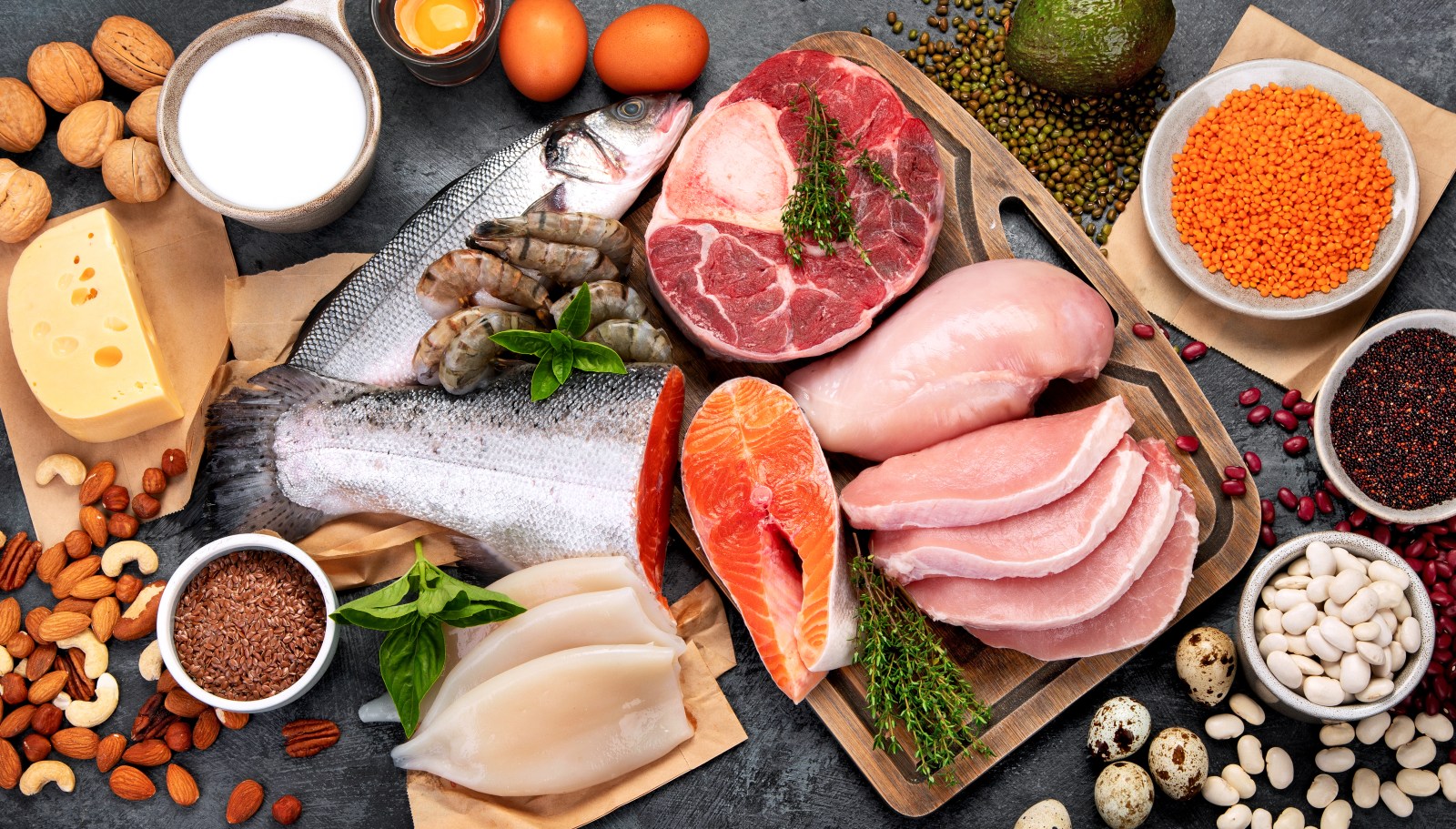
Recent research suggests that high-protein diets may not benefit sedentary adults as previously thought. A scientific review published in Cell Press Blue emphasizes that reduced protein intake could promote healthier aging and longer life spans.
Review Findings
The study reviewed over 350 studies on protein restriction and aging, covering various organisms, including yeast, insects, and rodents. Authors argue that cutting protein intake or limiting certain amino acids found in protein-rich foods may improve metabolism and reduce cellular damage. This approach could activate biological pathways tied to increased longevity.
The review’s publication aligns with the national trend of higher protein consumption. Health and Human Services has updated dietary guidelines, recommending 1.2 to 1.6 grams of protein per kilogram of body weight for many adults. This is higher than the earlier guideline of 0.8 grams per kilogram.
Protein’s Role in Diet
Protein is crucial for muscle growth, tissue repair, and recovery. Diets rich in protein benefit athletes and older adults by preserving muscle mass and mitigating sarcopenia. However, the review indicates that sedentary adults consuming excess protein may experience adverse health effects.
“There are benefits of protein to muscle growth and exercise response, yet most people are relatively sedentary, consuming more protein than they require,” said Dudley Lamming, co-author and professor at the University of Wisconsin–Madison.
Less Protein and Caloric Restriction
Aging science has long explored caloric restriction. Studies show that calorie reduction, without malnutrition, can extend life spans and lower age-related disease risks. The review notes that protein restriction might activate similar beneficial pathways without the need for drastic calorie cuts.
Understanding the Benefits of Reduced Protein
High protein consumption prioritizes growth-related processes over cellular functions vital for healthy aging. Animal studies, especially in mice, link protein restriction to better metabolic health and longer lives, even with unchanged calorie levels.
The review highlights certain amino acids, such as methionine, isoleucine, and valine, as particularly significant. Methionine is high in meat, fish, and dairy, while isoleucine and valine, part of the branched-chain amino acids (BCAAs) group, are common in meat, poultry, fish, dairy, and supplements. Plant sources like soybeans, beans, lentils, nuts, and seeds also contain these, though in different amounts.
Evidence from yeast, flies, and rodents supports the benefits of protein restriction in longevity and metabolic health. Human trials also show lower-protein diets improving factors like body weight, fat mass, and fasting blood sugar.
Adapting Protein Recommendations
The authors emphasize that findings do not imply protein is harmful or that healthy adults should immediately lower intake. Instead, the research underscores the need for individualized dietary recommendations. Protein-rich diets still aid older adults’ muscle preservation, strength enhancement with resistance training, and weight management.
In essence, nutrition science highlights varied protein needs based on activity level and age. Active individuals building muscle may require more protein, while less active adults might need less.
Leave a Reply