The summer of 1936 was not only hot but deadly. Over 5,000 lives were lost due to heat-related causes. Cities like New York City, Baltimore, Columbus, Lexington, and Minneapolis faced relentless heat, with temperatures soaring to 100°F or more for weeks. Records set then remain unbeaten, highlighting the severity of that summer.
Lacking widespread air conditioning, people found refuge in movie theaters or slept outside. The unyielding heat altered daily life and even fashion. During this era, typically conservative America saw changes in attire, with grown men donning shorts. What seems normal now was almost criminal in places like Yonkers, New York. Shorts were not only frowned upon—they were illegal.
“For weeks, some cities were 100° or over. There were records that were hit, and still have not been broken.” – Geoff Williams
In 1935, a year before the heat wave, Yonkers city council led by Alderman William Slater banned shorts and halter tops. Violators faced a $150 fine and up to 30 days in jail. Mayor Mike Spano humorously suggested that Slater might have secretly worn shorts himself.
A dedicated anti-shorts police unit, ridiculed by Spano, patrolled the streets. On June 21, 1936, two reporters from the New York Daily News dressed in shorts to protest the law. They were promptly arrested but eventually had their convictions overturned, and the outdated law was repealed. The brief reinstatement of a “modesty ordinance” in 1937 did not last.
Erin Black, an expert in costume design history, noted the evolution of men’s fashion. In the Elizabethan era, ‘pumpkin hose’ pants, stuffed for shape, were common. These unwieldy garments often became infested with bugs during summer. By the late 19th century, shorts were mainly for young boys. However, British soldiers in Bermuda during World War I began cutting their pants at the knee for comfort, giving rise to Bermuda shorts.
It took longer for women to embrace shorts, but the popularity of pinup girls during World War II and fashion shifts by the 1950s led to shorter styles. Notably, the song “Hot Pants” by James Brown and the influence of disco in the 1970s brought shorts into high fashion, exemplified by the “Daisy Dukes” popularized by actress Catherine Bach in “The Dukes of Hazzard.”
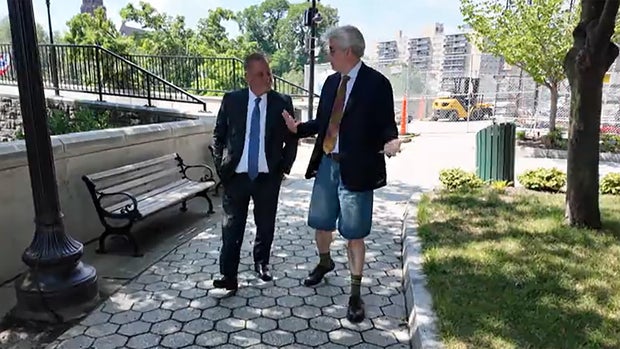
Today, shorts are commonplace even in professional environments. Mayor Mike Spano of Yonkers and writer Geoff Williams from Ohio enjoy wearing them regularly, a far cry from 1936 when such attire was punishable. Reflecting on past summers, shorts now symbolize relief and modern fashion freedom.
Leave a Reply