Introduction
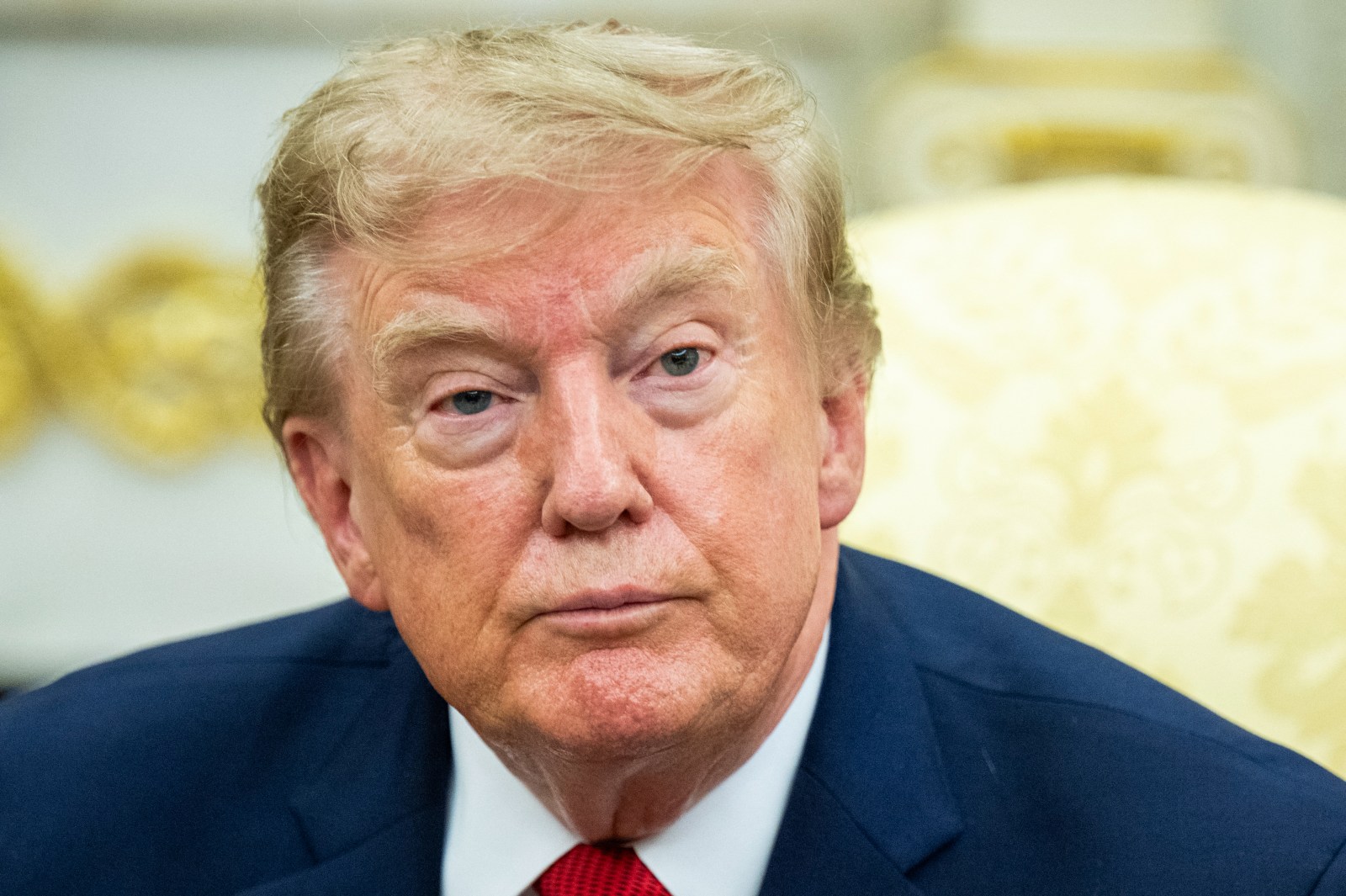
President Donald Trump’s executive order aims to limit birthright citizenship, affecting international surrogacy in the U.S. Thousands of overseas parents who plan surrogacy in the U.S. might face challenges due to this order.
Details of the Executive Order
On August 6, the executive order titled “Continuing to Protect the Meaning and Value of American Citizenship” seeks to prevent federal recognition of citizenship under specific conditions. This includes children born via commercial surrogacy when both parents are foreign nationals. The U.S. currently sees about 30% of surrogacy births involving international parents.
Legal Challenges and Background
The Supreme Court’s June ruling in Trump v. Barbara previously thwarted broader attempts to limit birthright citizenship. Trump’s new executive order is also challenged in court, with potential for it to be overruled.
Implications for Surrogacy
The administration argues the executive order targets “birth tourism,” where individuals travel to the U.S. for citizenship benefits for their child. Surrogacy advocates warn that the implementation could be complex. Parentage orders are often confidential, and birth certificates don’t specify surrogate involvement.
Dipesh Patel, an expert in assisted reproduction law, emphasizes that international parents primarily choose U.S. surrogacy for strong legal protections rather than immigration pathways.
State-Level Impacts
If Trump’s order is halted, states might ban surrogates from working with international parents. Some states, such as New York, already have restrictions for international intended parents.
Attorney Alphonse Provinziano notes concerns over international surrogacy might push states to restrict or void international surrogacy contracts.
Surrogacy Industry Statistics
International surrogacy is significant in the U.S. A study in ‘Fertility and Sterility’ revealed 32% of gestational carrier embryo transfers involved international parents from 2014 to 2020.
This growth stemmed from strict surrogacy laws abroad and favorable U.S. legal environments.
Demographics and Trends
International intended parents differ demographically from Americans, being often male, over 42, and Asian.
The study noted higher use of donor eggs and genetic testing in international cases.
Countries Involved in International Surrogacy
A map from the study showed China as the largest source for U.S. surrogacy at 41.7%, followed by France and Spain.
Changes in surrogacy laws globally force wealthy individuals, particularly from China, to seek surrogacy in the U.S.
Potential Consequences and Uncertainties
The executive order may bring complications in securing U.S. citizenship for children from surrogacy.
Parents could face delays and uncertainties regarding children’s citizenship and travel documentation.
Eloise Drane indicates the order might significantly impact families from countries relying on U.S. surrogacy.
Conclusion
This executive order could slow international surrogacy. Families feeling uncertain might hesitate to engage in U.S. surrogacy until more clarity or legal action is taken.
Tsong Law Group advises patience and preparation for potential legal complexities.
Leave a Reply