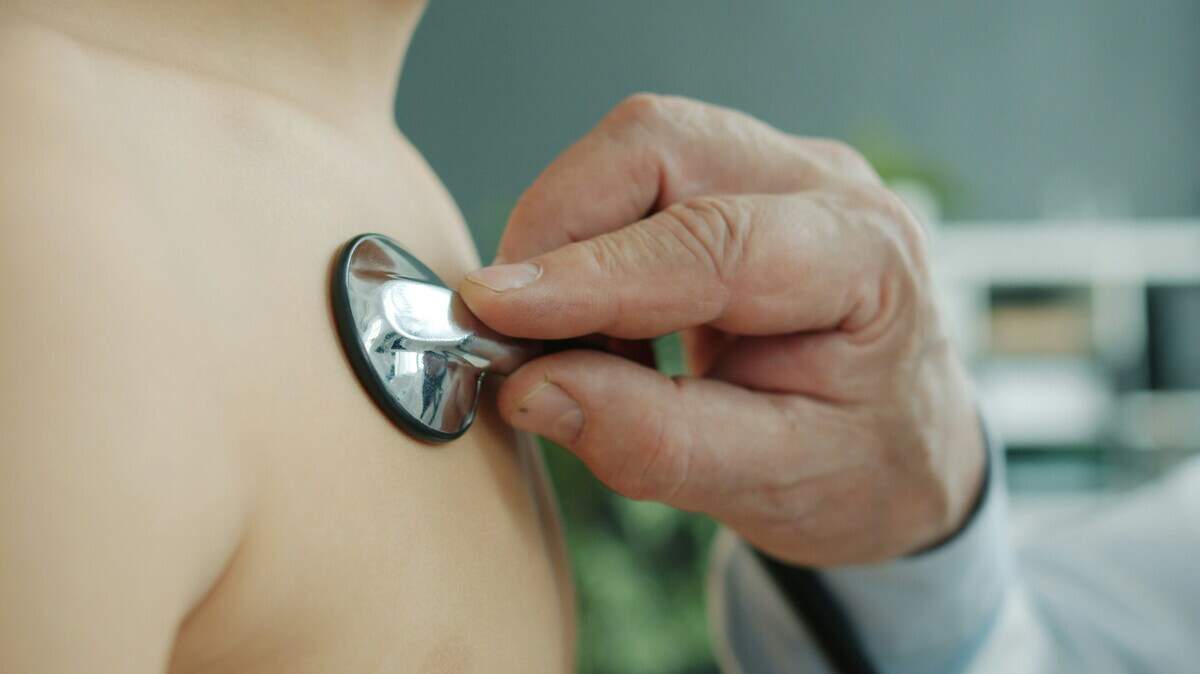
Sudden cardiac arrest ranks as the leading cause of death among student-athletes. It often occurs without prior symptoms. This risk has led the Miami-Dade School Board and the State of Florida to mandate electrocardiograms (ECGs) for all student-athletes before they engage in sports activities.
Reasons for Mandatory Heart Screenings
High school sports are significant to students, teaching them teamwork, discipline, listening to coaches, managing victory and defeat, and most importantly, enjoying sports. The primary reason for heart screenings is to prevent unexpected deaths during school events or games. Tragic instances of sudden cardiac arrest (SCA) are a major concern since more than 90% of individuals affected do not survive. These incidents often happen without prior warning and many victims are not aware of their risk. Thus, under the ‘Second Chance Act,’ ECGs have become a requirement for student-athletes in Florida.
Getting Your Child’s Heart Screened
Florida’s sports medicine professionals prioritize athletes’ health and safety. Coaches receive CPR training and schools are equipped with AEDs, or automated external defibrillators. Additionally, efforts are made to educate on preventing heat-related illnesses.
An ECG is a straightforward, painless test that evaluates the heart’s electrical activity, forming a vital part of the screening process. Alongside a health questionnaire and physical examination, it enhances safety measures.
Local healthcare providers such as Baptist Health and Nicklaus Children’s offer these screenings affordably, with state law capping the test cost at $50. Some even provide it free of charge. The intent is to ensure children’s safety in sports. Although not infallible, as some false positive results occur, ECGs are integral to identifying potential issues early, allowing time for additional assessments if necessary.
Dr. Michael Swartzon, affiliated with Baptist Health South Florida, works with sports teams like the Miami Dolphins, Florida Panthers, and InterMiami CF. He is available for queries at [email protected].
This article was originally published on July 24, 2026.
Leave a Reply