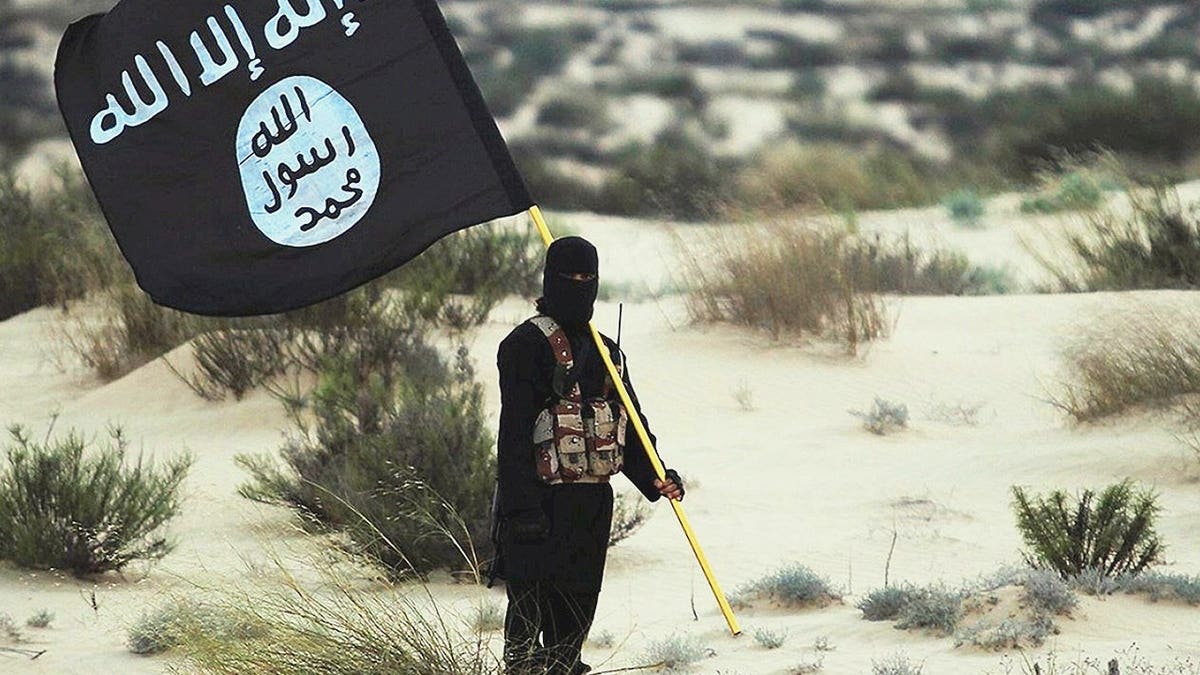
The United States is nearing the completion of its withdrawal from Iraq, a move that has stirred concerns about the resurgence of the Islamic State (ISIS). Experts highlight the potential for the group to exploit security gaps left in the wake of withdrawing U.S. forces.
Dr. Omar Mohammed, a counterterrorism expert with the George Washington University Program on Extremism, shared his insights on the matter. He pointed out that this period could be Iraq’s most perilous since ISIS took control of Mosul in 2014. Mohammed emphasized that ISIS adeptly takes advantage of security lapses, a pattern evident throughout its history.
“The question isn’t whether American forces leave Iraq in September; it’s what departures accompany them,” Mohammed explained.
Mohammed noted a dynamic where militias claim to deter ISIS threats to justify retaining their arms. In turn, ISIS exploits grievances caused by these militias for recruitment. Such was the case before Mosul’s fall in 2014, when the city was trapped between compromised security apparatus and insurgency influences.
ISIS gained control of Mosul, situated roughly 250 miles north of Baghdad, by building covert networks through activities like assassinations and extortion. As the group seized U.S.-made weapons and substantial funds, its leader, Abu Bakr al-Baghdadi, declared a caliphate. Mohammed played a crucial role by documenting life under ISIS rule through his blog, “Mosul Eye,” providing insights and intelligence to U.S. forces.
The U.S. Central Command (CENTCOM) remains committed to dismantling ISIS networks. Reports indicate the number of ISIS fighters in Syria has surged from 2,000 to as many as 10,000, as per Iraqi intelligence estimates. Despite ISIS’s territorial defeat, the Popular Mobilization Forces (PMF) persist, consisting of about 238,000 members, some with Iranian ties that bypass Iraqi governmental control.
Efforts to bring armed factions like Kataib Hezbollah and Asaib Ahl al-Haq under state control are ongoing as Iraq tries to assert authority. According to Mohammed, both militias and ISIS benefit from the chaotic environment in governance-vacant zones.
The U.S.’s scheduled withdrawal aligns with a 2024 agreement aiming to end the Iraq mission by 2025, while maintaining anti-ISIS efforts in Syria. Mohammed warned about repeating past complacency, citing Mosul’s fall as a result of unaddressed ISIS strength due to neglect and distraction.
Meanwhile, the announcement of the U.S. troop withdrawal during Iraqi Prime Minister Ali al-Zaidi’s White House visit drew criticism from Tehran. Ali Akbar Velayati, an adviser to Iran’s Supreme Leader, expressed regret over al-Zaidi’s trip, arguing it undermines Iraq’s standing.
Mohammed stressed Iran’s vested interest in Iraq remains pivotal, especially with diminished proxy network capabilities. He concluded that Iraq’s future security landscape, post-withdrawal, will be determined not by claims or diplomatic efforts but by unfolding developments in the region.
Fox News Digital’s efforts to reach the White House for comments are ongoing.
Leave a Reply