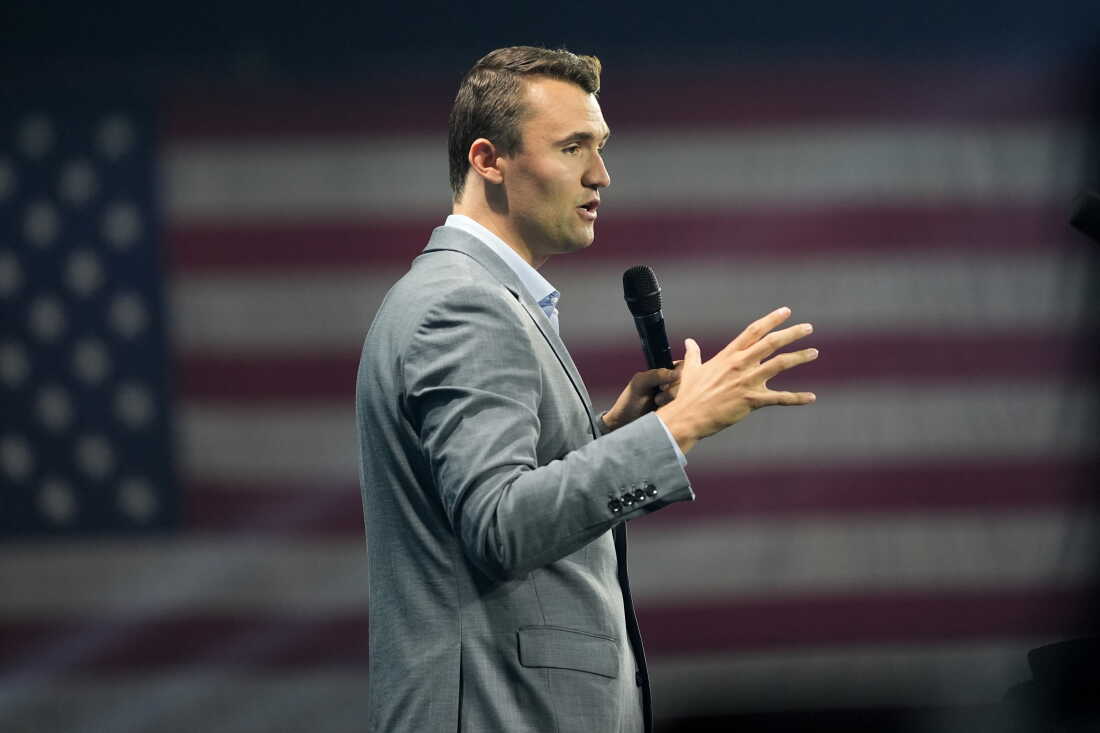
Charlie Kirk’s influence in conservative politics was undeniable, especially among young Republicans. When his death was announced at the Turning Point Believers’ Summit on July 26, 2024, it shocked his followers. Jacob York, a 21-year-old student at Olivet Nazarene University, felt compelled to honor Kirk’s legacy by establishing a Turning Point USA chapter on his campus. Despite initial setbacks, York’s persistence mirrored the urgency many young conservatives felt after Kirk’s untimely death.
Charlie Kirk founded Turning Point USA with the aim of engaging young people in conservative politics. His death at age 31 left a void that rippled across his base. Erika Kirk, Kirk’s widow and succeeding CEO of Turning Point, highlighted the surge in new chapters and interest as a testament to Kirk’s enduring mission. However, the organization faces difficulties uniting around a new leader and reconciling internal divisions reflective of broader Republican Party issues.
Fractures Amid Growth
Young conservatives like Dino Fantegrossi, a former Turning Point chapter leader at the University of Arkansas, acknowledge the fractures within the movement. Fantegrossi’s decision to start a new group, Young American Revival, signals the need for outlets addressing frustrations and promoting change. He argues that without Kirk’s leadership, many supporters feel lost and unsure how to channel their energy productively.
Andrew Kolvet, a spokesman for Turning Point, asserts that the organization continues to grow across school campuses, showcasing Kirk’s legacy. In statements, Turning Point USA claims 1,500 college chapters and engagement from over a million students in high schools nationwide during the 2025-2026 school year.
Missing Leadership
Kirk’s impact extended beyond campus activities, influencing conservative youth and the Republican Party. Young conservatives attributed their political engagement to Kirk’s connection with prominent leaders like former President Donald Trump. Kirk’s relationship with the White House provided a direct link between his followers’ views and political decision-making.
Though celebrated by his supporters, Kirk faced backlash from the left due to controversial comments about minorities and his support of conspiracy theories. His approach involved debating issues publicly, despite criticism. His assassination during a campus event marked a significant loss for his supporters.
Democratic pollster John Della Volpe sees Kirk’s death as contributing to a perceived lack of political agency among young voters. He observes a recurring sentiment of having lost a leader who genuinely listened and understood them.
Turning Point Confronts Divides
Following Kirk’s death, Turning Point USA has struggled to maintain the direct connection Kirk established with young conservatives. Campus events have diminished in engagement and impact, highlighting tensions within the conservative youth. Erika Kirk and Vice President Vance aim to bridge the gap with keynote addresses, yet turnout remains inconsistent.
Hazel Roberts, a Turning Point chapter founder at Grand Canyon University, reflects on the intraparty rifts affecting the organization. Changes in young conservatives’ views toward party leaders, particularly Trump, exacerbate these challenges.
Data from Pew Research Center shows declining support for Trump among young voters under 35. Issues like foreign policy have widened generational divides, mirroring the dissatisfaction with Republican leadership.
Misinformation Threatens Future
Fragmentation persists beyond policy debates, fueled by misinformation surrounding Kirk’s assassination. Alex BirdSong, a Turning Point chapter president at Georgia State University, intends to restore the organization’s credibility amid conspiracies propagated online. Overcoming misinformation and uniting the conservative base remain imperative for Turning Point USA’s influence.
Max Williams, a Turning Point leader at the University of Richmond, comments on the lackluster interest in conservative movements post-Kirk. Despite previous momentum, the organization faces an identity crisis exacerbated by skepticism towards Trump’s policies.
Williams plans to focus discussions on key issues resonating with students. The absence of Kirk poses challenges in revitalizing interest, leaving Turning Point at a crossroads in engaging young conservatives.
Leave a Reply