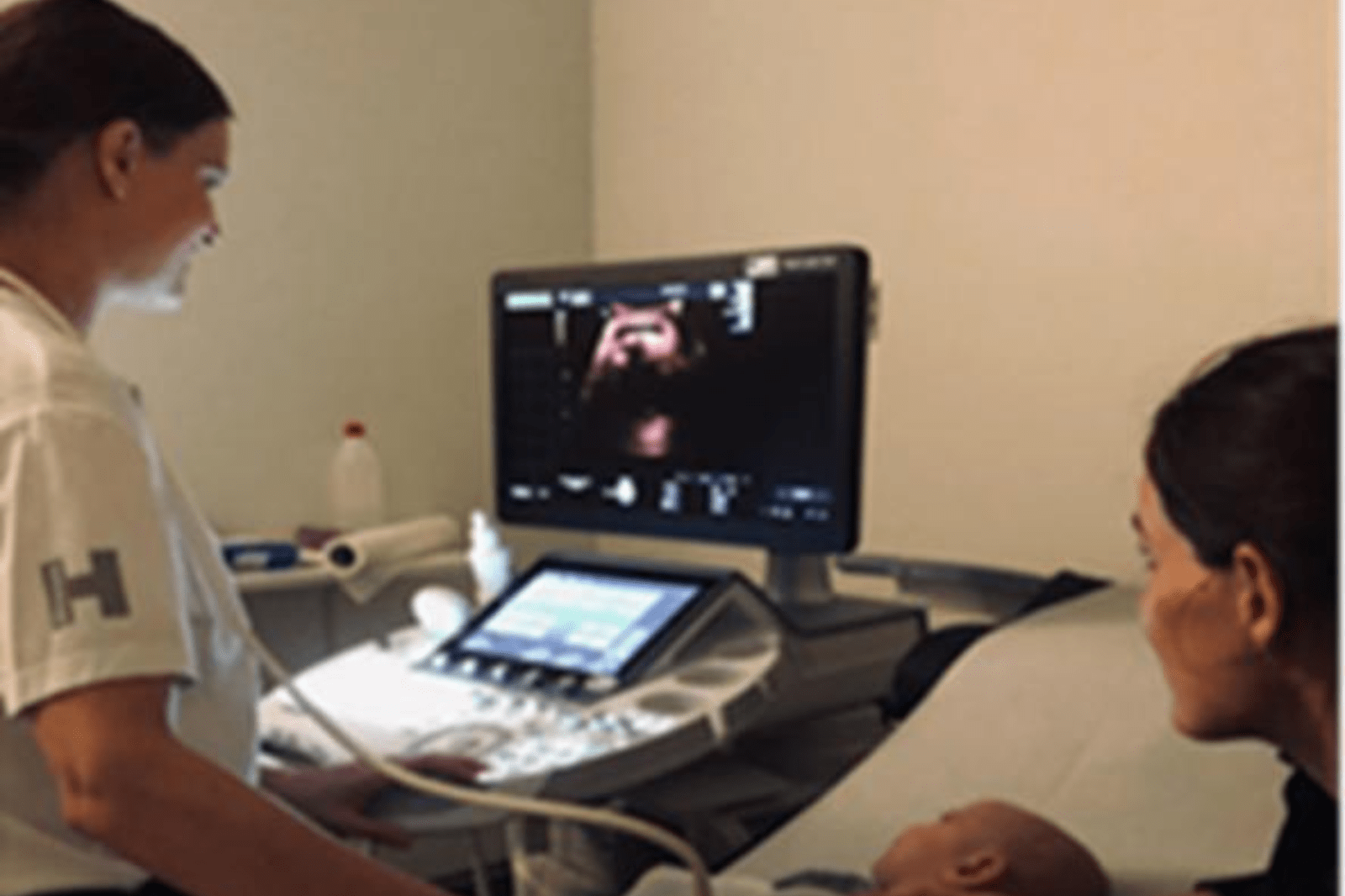
Research in Denmark has raised concerns about paracetamol (Tylenol) use during pregnancy and its effects on female reproductive development. A study observed differences in certain developmental markers among girls exposed to the drug in the womb.
Study Findings
The researchers, led by Dr. Margit Bistrup Fischer at Rigshospitalet in Copenhagen, examined 302 girls from a Danish pregnancy cohort. They tracked paracetamol use by surveying mothers and analyzing urine samples. Results indicated that girls exposed to the drug in early pregnancy had reduced ovarian and uterine volumes. Later exposure correlated with fewer ovarian follicles.
Dr. Fischer emphasized that the findings do not prove causality but suggest a need for closer scrutiny of paracetamol use during pregnancy. Despite the drug’s widespread use, especially for minor ailments, researchers believe the potential risks should be reconsidered.
Similarities in Independent Cohort
The study involved an independent cohort of 1,210 girls, revealing similar patterns. Prenatal exposure to paracetamol was associated with smaller uterine volume at puberty and reduced ovarian volume during adolescence.
Potential Implications
Animal studies suggest that fetal exposure might affect ovarian reserves and reproductive lifespan. Dr. Fischer noted that while differences in ovarian markers exist, their long-term impact on human fertility remains uncertain. Further research is needed.
Dr. Lucy Hooper, a private general practitioner, cautioned that the observed differences in the study were small and imprecise. Pregnant women are advised to use paracetamol judiciously and consult healthcare professionals as necessary.
Current Medical Guidance
The study does not necessarily call for changes to medical guidance. However, it may prompt reconsideration of when paracetamol is prescribed during pregnancy. Dr. Fischer highlighted that many women in the study used the drug for minor issues where alternative treatments might suffice.
The decision should be based on an individual’s symptoms and made in consultation with a healthcare professional.
Leave a Reply