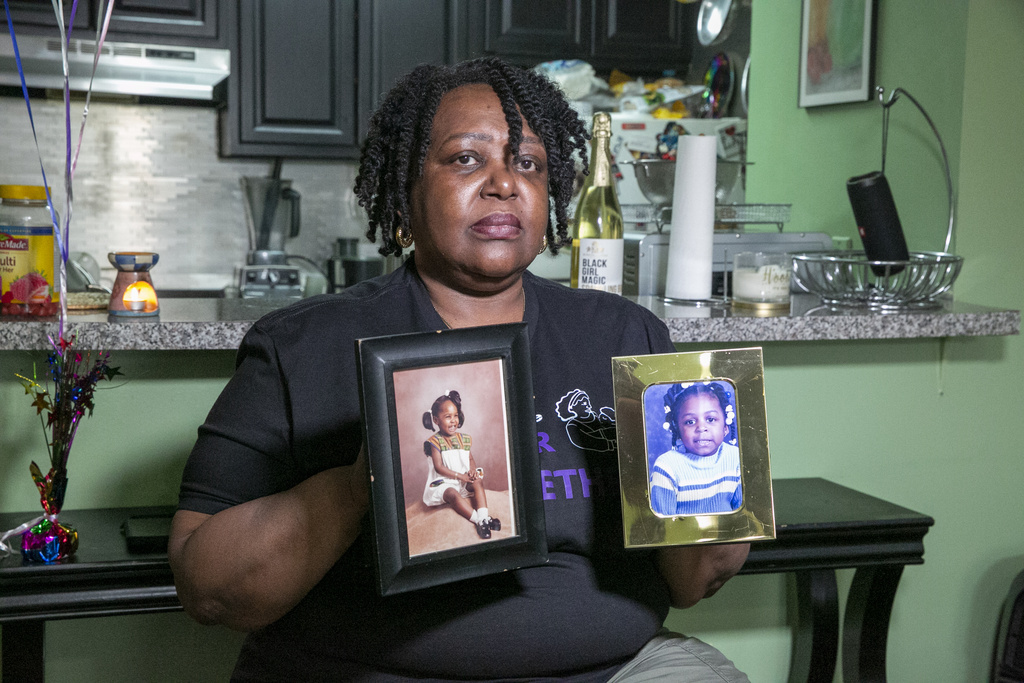
Joyce McMillan sits in her Harlem home, showing pictures of her children. Years ago, officials removed her two daughters after discovering an illicit substance in her body. This moment highlights persistent issues in child welfare policy.
Federal child welfare policy has long been built step by step on outdated assumptions. Programs have been designed, yet rigid funding has constrained them. The system remains unchanged despite data challenging these financing methods.
Every year, over 2 million American families face investigations from Child Protective Services. Despite this, 84% of cases show no proven abuse or neglect. Yet, 175,000 children still enter foster care annually. Research shows these interventions often cause harm. There’s no link between foster care entries and child maltreatment deaths.
For Nate Bustamente, family separation is a recurring theme. Once in foster care as a child, he later faced similar challenges with his children. Bustamente met the demands imposed, fearing child loss. The state sought to terminate his and his wife’s parental rights. Their attorney and the family-time supervisor were crucial. They helped the court see the full picture, and the case closed without termination.
Bustamente’s relief highlights the struggle many families face in a harsh system. United Family Advocates, a bipartisan group, addresses these issues. They suggest federal child welfare financing inadvertently promotes family separation, which should be avoided.
Federal discussions are ongoing about whether current funding supports child safety, family stability, and taxpayer money use. Reform is needed. The system, functioning as a $10 billion entitlement, often separates families. States need more freedom to support community resources, addressing housing, food, mental health, and substance use. Protection should be in place for children in real danger, but families should access resources without entering the child welfare system. High-quality legal representation should be universally available to promote fairness in pivotal decisions.
Policymakers face crucial choices on resource allocation. They must decide between maintaining crisis response systems or building infrastructure to help families avoid such crises.
Bustamente’s story calls for change. Community support could have altered his family’s path, avoiding default separations. He asks, “How many more families needlessly endure this?” Fear and lost time with children shouldn’t be unavoidable. The existing system, built on separation, needs overhaul. Families should receive support before crises lead to separation.
Joanna Lack, Executive Director of United Family Advocates, echoes this need for foundational change.
Leave a Reply