On Sunday evening, President Donald Trump will step onto the field at MetLife Stadium in New York New Jersey to present the FIFA World Cup trophy to the new champion: Spain or Argentina. This is the moment FIFA has been working towards for years: a packed stadium, millions watching globally, and the host nation’s president in the spotlight at the sport’s most significant event. Like past World Cups, the final will be immortalized by one iconic photograph.
Six weeks ago, such a conclusion seemed unlikely. Critics warned that the first 48-team World Cup might be overshadowed by politics. Fan groups accused FIFA of pricing out supporters. Immigration attorneys worried that Trump’s policies would reduce international travel and discourage spectators. Civil rights groups feared increased immigration enforcement around venues. Some hotels in host cities experienced lower-than-expected bookings, while polls indicated a lack of interest among the American public.
Media outlets questioned the event’s integrity, with phrases like “money-grabbing exercise” being used to describe it. Pundits suggested Trump’s influence made the World Cup less enjoyable. Former FIFA president Sepp Blatter even advised fans to stay home due to security concerns.
Some concerns became reality. Iran and Haiti’s teams were barred entry due to travel restrictions. Visa delays affected relatives of players and officials. FIFA’s relationship with Trump faced European criticism, leading to ethics complaints against President Gianni Infantino. Yet, the predicted disaster never occurred.
The Tournament Defies Expectations
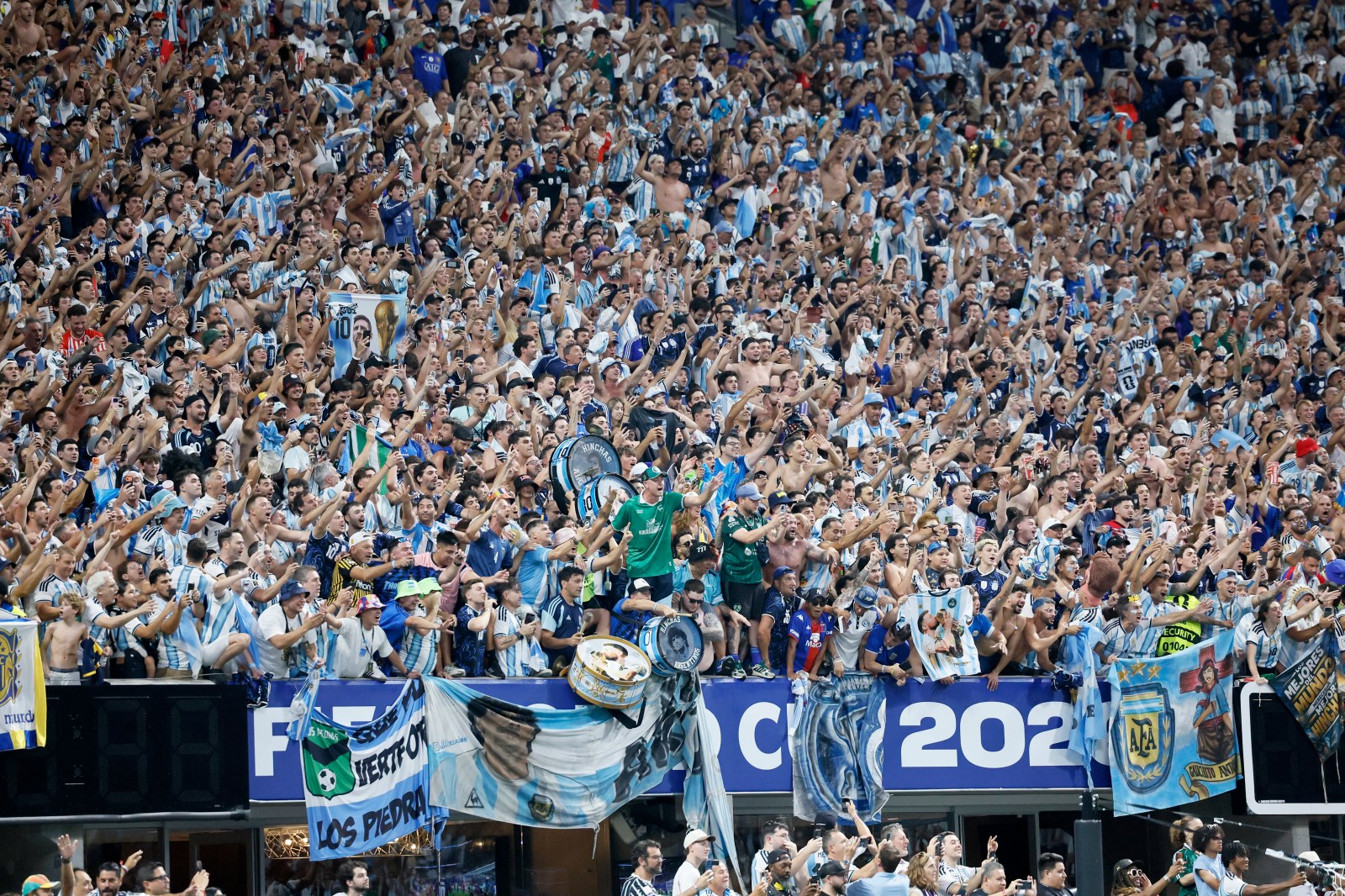
Initially, skepticism persisted. Ticket prices, hotel demands, and American interest were questioned. Then, audiences arrived. By the semifinals, the tournament attracted 6,527,410 spectators, surpassing the 2018 and 2022 World Cups combined, with 99.7% seat occupancy. The 1994 World Cup attendance record was broken before the group stage ended, and over 426,000 fans attended matches in one June day alone.
The television audience grew similarly. Fox’s broadcasts reached record group-stage audiences, averaging over 5 million viewers, while Telemundo saw a 122% increase compared to 2022 figures. A U.S. match against Paraguay drew around 18 million viewers on Fox and 9.5 million on Telemundo, setting records for English and Spanish broadcasts. By the semifinals, Argentina’s match against England saw over 15 million viewers on Fox, marking a U.S. television record.
Simon Chadwick, a professor at Emlyon Business School, noted, “The FIFA Men’s World Cup is FIFA’s cash cow. It’s the main income source over a four-year cycle.” The tournament’s revenue funds other FIFA events like the Women’s World Cup. Strong football contributed to high engagement, with 2.94 goals per game through the quarterfinals — the highest since 1970 — and 11 comeback victories, breaking 2014 records.
Star players like Messi, Mbappé, and Haaland enhanced the Golden Boot race. For the first time, three players scored at least seven goals in a single tournament. Underdog stories captivated viewers, challenging concerns about tournament expansion. Cape Verde’s goalkeeper, Josimar Évora Dias, achieved near-hero status. Norway’s unexpected victories over Brazil and Haaland’s celebrations captivated social media. Scotland won hearts by transforming Boston with their tartan-clad supporters.
The stadium atmosphere improved public perception. Sold-out matches, passionate supporters, and gripping storylines mirrored FIFA’s vision for a expanded tournament. By the final weekend, commentators lauded the U.S. for hosting one of the best World Cups in decades.
Trump’s Role and Impact
Trump spent years positioning himself at the heart of the 2026 World Cup. He hosted the tournament draw and received a Peace Prize created by FIFA. His administration established a task force for preparation. His immigration policies sparked controversy, yet once the games began, Trump remained absent from the initial stages.
This absence helped prevent political backlash. Concerns about immigration raids, security incidents, or clashes with Democratic cities never materialized. Instead, images of full stadiums and international celebrations prevailed. Critics acknowledged the smooth execution. Pennsylvania Representative Brendan Boyle deemed the event a “remarkable success.” Democratic officials celebrated despite initial concerns.
The Infantino Controversy
Infantino faced criticism after awarding Trump a Peace Prize. FIFA’s decision to open offices in Trump Tower fueled discontent. The reversal of American player Folarin Balogun’s red card added controversy, breaking World Cup precedence since 1962. Trump celebrated the decision. International reaction was negative, with Belgium and others questioning the move’s integrity. Balogun’s American participation added irony, given Trump’s earlier immigration stance.
Infantino’s leadership faces scrutiny. Germany’s federation refused to support his reelection, marking unease. Despite this, Infantino remains secure due to FIFA’s financial success. Chadwick notes federations are satisfied with the organization’s revenues.
As the final whistle approaches, Infantino continues addressing criticisms. In contrast, Trump prepares to hand the trophy to either Spain’s Rodri or Argentina’s Messi, completing one of the tournament’s most successful editions. Empty seats, predicted issues, and controversies remain only in the background. Ultimately, the triumph and visibility of a successful World Cup defined Trump’s connection to the event.
Leave a Reply