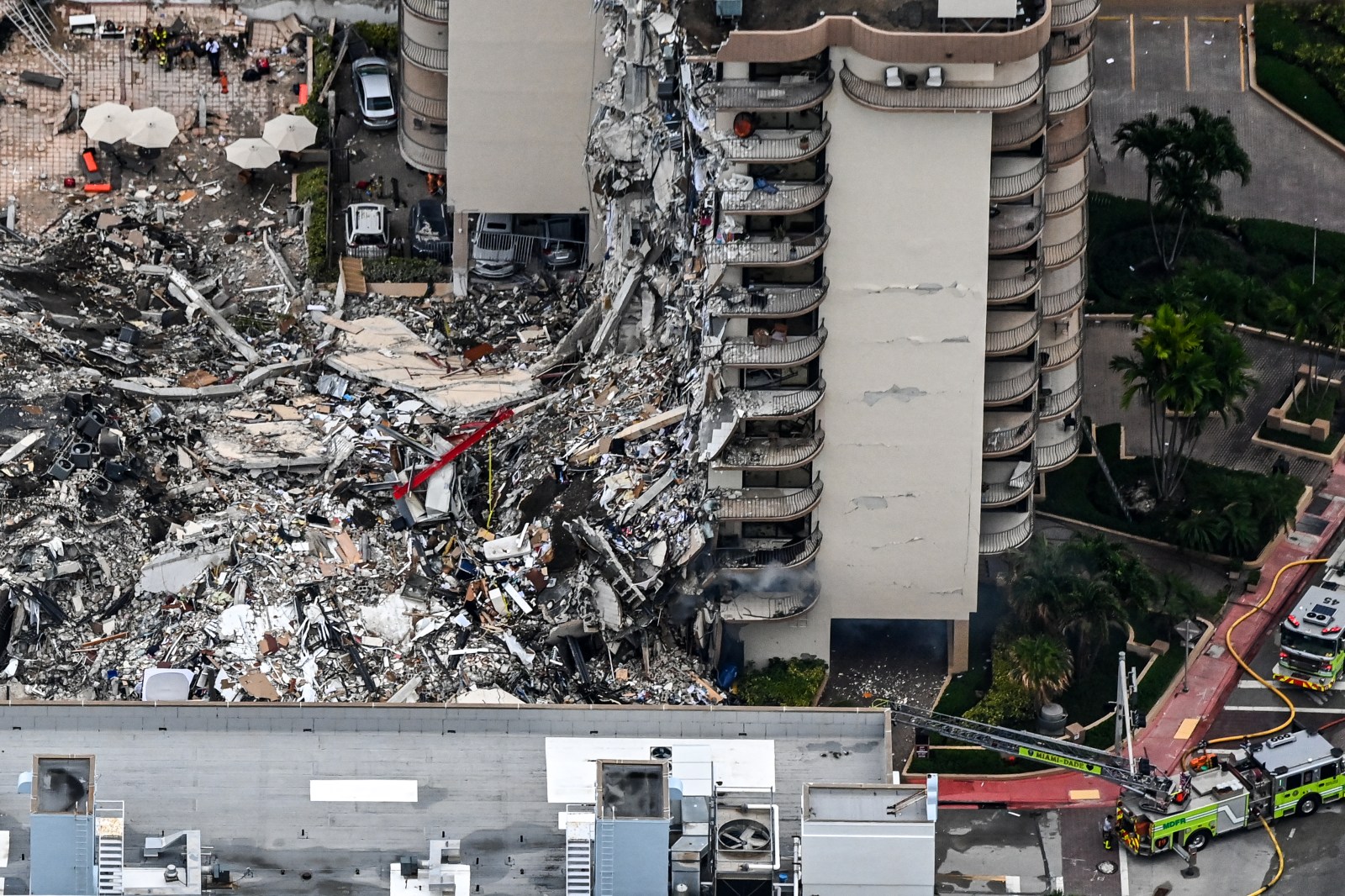
In the early hours of June 24, 2021, the Champlain Towers South in Surfside, Florida, partially collapsed. This 12-story beachfront condominium, constructed 40 years prior, lost a significant portion of its structure within moments. Security footage shows the building turning into dust and debris within seconds. Initial reports confirmed one death, but the toll rose to 98, marking this as one of the deadliest building failures in U.S. history.
Stuart Z. Grossman, an attorney involved in a settlement for victims, described the event as unprecedented. He noted that it was unforeseen for residents to encounter such risk just by going to sleep in a residential building. The tragedy included stories of individuals visiting family or residing in the building at the time of the collapse.
Early investigations pointed to the collapse originating from a failure in the pool deck slab. Water penetration and corrosion in the reinforced steel led to this failure. Further analysis revealed construction and design errors from the building’s completion in 1981, coupled with years of deferred maintenance. A report from 2020 had already identified insufficient funds for necessary repairs.
The Legislative Response
The aftermath compelled legislative action in Florida. Robert Smith from FirstService Residential recalled the profound impact of the Surfside collapse. This prompted what Smith described as a major safety reform in Florida, aimed at preventing future similar incidents.
The Florida Building Safety Act, passed in May 2022, mandates a Structural Integrity Reserve Study (SIRS) for condo associations in buildings with three or more stories. Buildings over 30 years old, or 25 if near the coast, must undergo an inspection by a licensed engineer by the end of 2024. Reserves must now be fully funded to meet these safety requirements.
Economic Impact on Condo Market
The new safety legislation shook the Florida condo market, impacting property values significantly. Many property owners, worried about increasing homeowners association fees, tried to sell their units. This led to an oversupply and plummeting property values, creating financial pressure for those unable to sell.
Palm Beach County’s Gina Clausen Lozier noted the financial distress faced by condo owners. Some could not manage mortgages with new assessments in place, leading to potential foreclosures or abandonment of properties. The situation, termed a snowball effect, resulted from the reforms.
In response to these economic pressures, Governor Ron DeSantis backed new legislative amendments. These included HB 913 and HB 393, signed in June 2025, which allowed a temporary pause in reserve contributions to fund essential repairs.
Looking Forward
According to Smith, preparation has been key for condo communities navigating these legislative changes. He noted that many boards and communities are faring better through proactive measures. However, some, particularly in older properties, continue to face challenges.
While recent condo buyers are now more inquisitive about reserves and maintenance history, Grossman warns of loopholes and negligence in older buildings. He stressed the importance of transparency in the efforts to manage these issues.
Grossman remains wary about the enforcement of new laws. He believes agencies should monitor whether HOAs follow through with necessary repairs. Without strict oversight, another tragedy could occur.
Clausen Lozier noted that professionally managed boards, aware of potential liabilities, take these matters seriously. Yet in South Florida, the risk persists. Despite reforms, vigilance remains crucial to prevent future collapses.
Leave a Reply