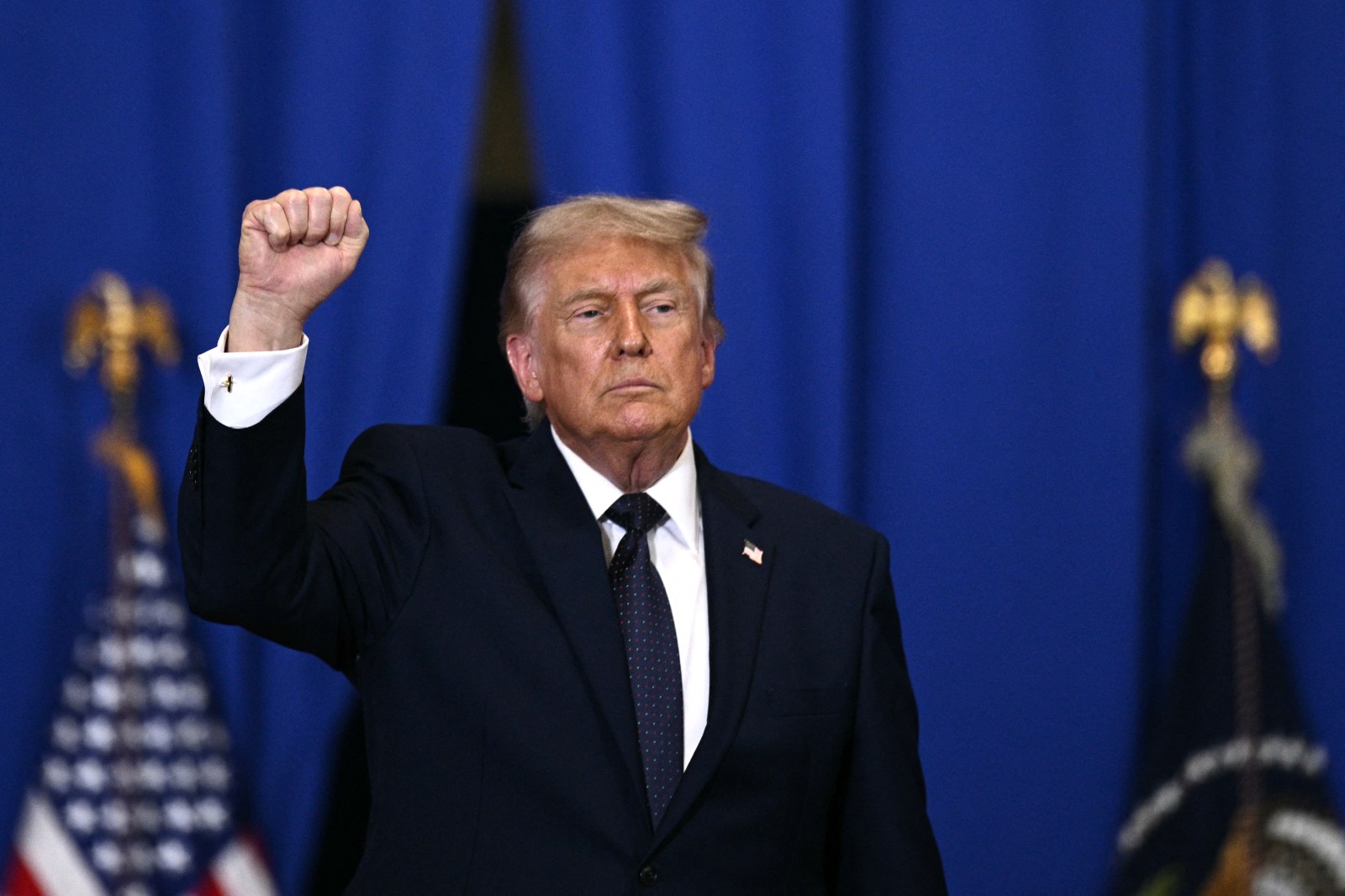
Donald Trump’s recent political maneuvers have been noteworthy. He withdrew his nominee for director of national intelligence and pulled support for a bipartisan housing bill. His intention is to push Congress into passing his ‘Save America Act’. This act proposes significant changes to the election system and is aimed at reducing voting from groups unlikely to support MAGA Republicans.
Trump’s legislation seeks approval to mandate proof of citizenship, a requirement many Americans might struggle to meet, and to limit mail-in voting unless in-person voting is impossible. Despite his efforts, the Senate lacks the necessary votes to pass this act. As a result, he might continue to portray Democrats as engaging in electoral fraud to energize his support base.
An alternative approach Trump could take involves using executive authority to question election results. Trump’s actions surrounding January 6 and his pardoning of rioters make this scenario plausible. Jonathan Winer, a former senior State Department official, outlines this in an article, emphasizing the potential for Trump to challenge the 2026 midterms.
The FBI is currently reviewing the 2020 election count in Georgia, again finding no irregularities. Additionally, Trump has directed Homeland Security and the Social Security Administration to compile state citizenship lists, challenging state-administered election processes. Also, new postal service regulations restrict absentee ballot deliveries in states not adhering to federal election roll rules.
Despite legal setbacks, these actions show Trump’s commitment to influencing elections. Winer warns that Trump may claim elections are fraudulent and order federal investigations, delaying result finalizations. Such actions could lead Republicans in Congress to ignore certain election outcomes, consolidating GOP majorities. This would undoubtedly lead to legal challenges and likely trigger protests, particularly in Democratic areas.
Trump’s administration might categorize these protests as subversive, prompting federal arrests. A concerning extension could involve declaring them a national emergency, invoking Presidential Emergency Action Documents (PEADs). These documents, prepared since Eisenhower’s era for crises, likely contain provisions for detainment and enforcement actions, potentially deploying Homeland Security resources for such purposes.
Trump’s possible use of PEADs would face judicial scrutiny, but the administration might act swiftly to seize voting machines and quell protests, outpacing legal interventions. Trump’s commitment to his agenda is apparent. He prioritizes the ‘Save America Act’ over other policies, challenging election integrity based on unfounded fraud claims from the 2020 election loss.
Trump’s heated rhetoric against Democrats further complicates the situation. Winer asserts that Trump might utilize PEADs to override electoral outcomes and suppress dissent. Given Trump’s history and statements, efforts to influence upcoming elections through contentious means should not be discounted.
Tom Rogers, the article’s author, is the executive chairman of the AI film studio Fountain 0, the cloud AI grid company Claigrid, Inc., and a CNBC contributor. He founded CNBC and MSNBC and serves as a senior adviser for Versant, CNBC’s parent company. His views reflect his individual perspectives.
Leave a Reply