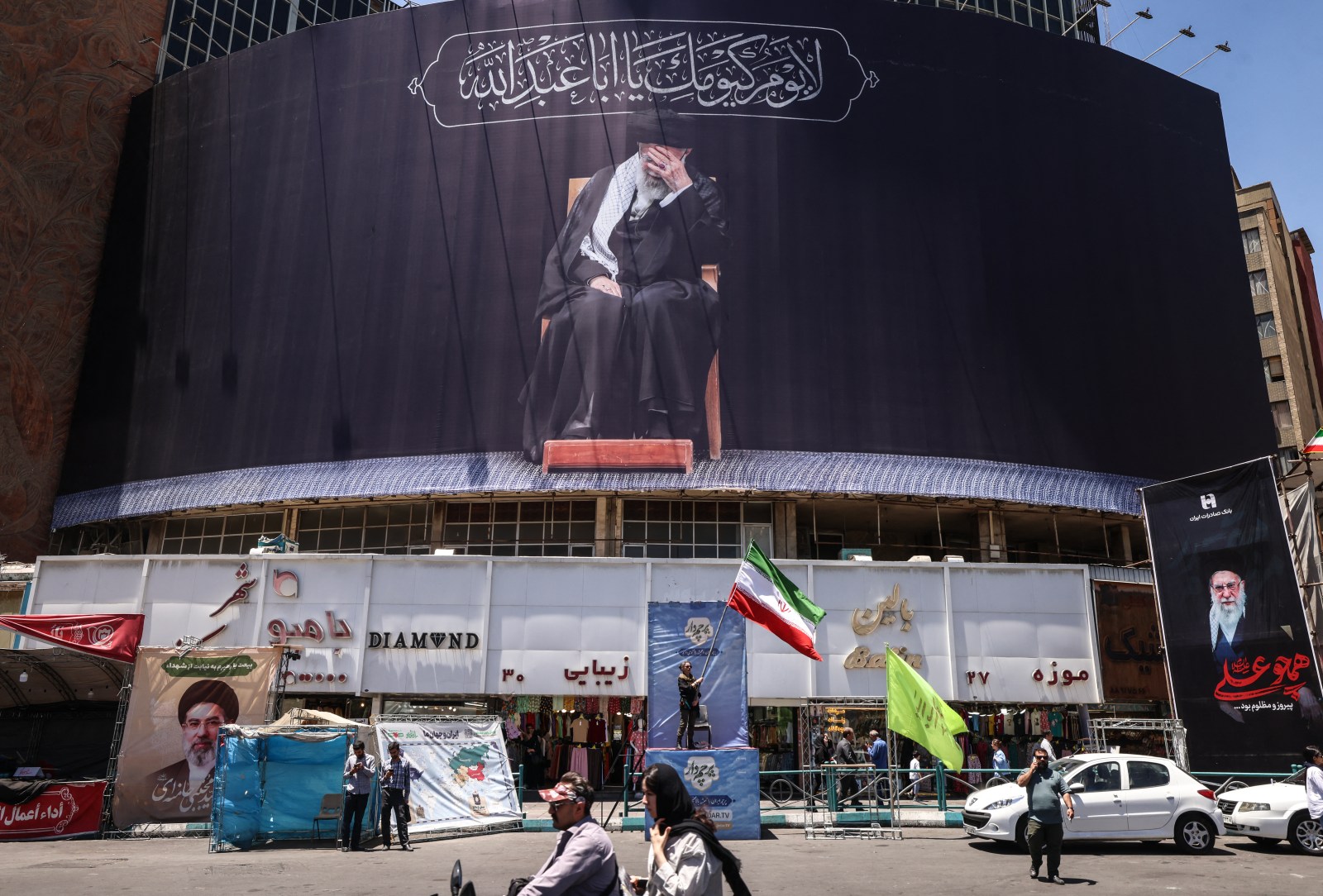
The United States and Iran have reached a crucial step towards ending their conflict with a memorandum of understanding (MoU). This move, although not yet a definitive peace, aims to showcase each country’s perceived advantages in a costly war impacting the Middle East and global markets.
Iran’s Strategic Achievements
Iran asserts its survival against a joint campaign by foes, U.S. and Israel, as a key victory. Further, Iran has proved its influence over international oil and gas trades via the Strait of Hormuz, connecting the Persian Gulf conflict with Hezbollah’s confrontation against Israel.
Iran’s confidence is bolstered by the survival of its regime and its ability to simultaneously challenge U.S. and Israeli forces. According to Sina Azodi, an expert at George Washington University, Iran’s strengthened position may lead to increased regional assertiveness.
U.S. Achievements Amidst Challenges
The U.S. claims significant victories through the elimination of Iran’s top leader, Ayatollah Ali Khamenei, and crippling Iran’s military. However, President Trump’s announcements, including the capture of ‘nuclear dust’, are tempered by a potential empowered Iran under Khamenei’s successor, Mojtaba.
Ceasefire and Strategic Repercussions
The focus of the MoU is a ceasefire extension and the opening of the Strait of Hormuz. The agreement does not directly tackle Iran’s nuclear program or its support for allies such as Hezbollah.
Vice President JD Vance discussed possible significant sanctions relief if Iran makes long-term commitments, although details remain vague.
Iranian Perspective on MoU
Iranian officials, including President Masoud Pezeshkian, consider the agreement a triumph against foreign aggression. Domestic critics are opposed; however, the Supreme National Security Council pushes dialogue.
Expert Opinions
Mara Rudman from the University of Virginia emphasizes that resuming maritime traffic and negotiating the nuclear issue are vital proof points for progress.
In contrast, Ali Vaez from the International Crisis Group notes a ceasefire extension is urgent. Avoiding further military conflict is paramount, even if it postpones deeper negotiations.
New Frameworks of Engagement
Masoud Rezaei from the Center for Middle East Strategic Studies describes the evolution towards ‘mutually assured vulnerability’. Iran’s missile and drone capabilities create a shift away from regime change tactics to political agreements.
This fragile peace allows Iran to exert economic pressure through strategic control of the Strait of Hormuz. By wielding this influence, Iran aims to alter traditional negotiation dynamics with the West.
Leave a Reply