Recent cyberattacks on water systems across various states highlight the dangers to cyber physical systems supporting critical infrastructures. In today’s world, cyberattacks happen so frequently that many people ignore them unless directly affected. In 2024, over 859,000 cyberattacks occurred, averaging nearly 100 per hour, causing financial losses nearing $17 billion compared to $2.7 billion in 2018. Among these, close to 4,900 attacks targeted critical infrastructures that are essential to our economy.
In May, a ransomware attack significantly affected Canvas, an educational platform used by K-12 schools, higher education institutions, and corporate training centers for both remote and in-person learning. This attack impacted millions, demonstrating the fragility of centralized data management sites supporting critical infrastructures. One such vital system affected by centralization is air travel, serving over 2.5 million people daily. This system depends on centralized data management for processing airline tickets, scheduling crews, and coordinating ground operations.
The passenger service system, including the airline reservation system, manages the entire spectrum of air travel related to passengers. These systems have grown in complexity, allowing tasks such as selling tickets and assigning seats through travel agents. Centralization enhances operational efficiency but also increases vulnerability to cyberattacks, risking a complete halt in air travel operations. For instance, cyberattacks disrupted air travel at multiple European airports in 2025, leading to manual traveler processing. Such manual processes for the daily 2.5 to 3 million U.S. passengers might paralyze air traffic, complicating checks by the Transportation Security Administration and compromising aviation security.
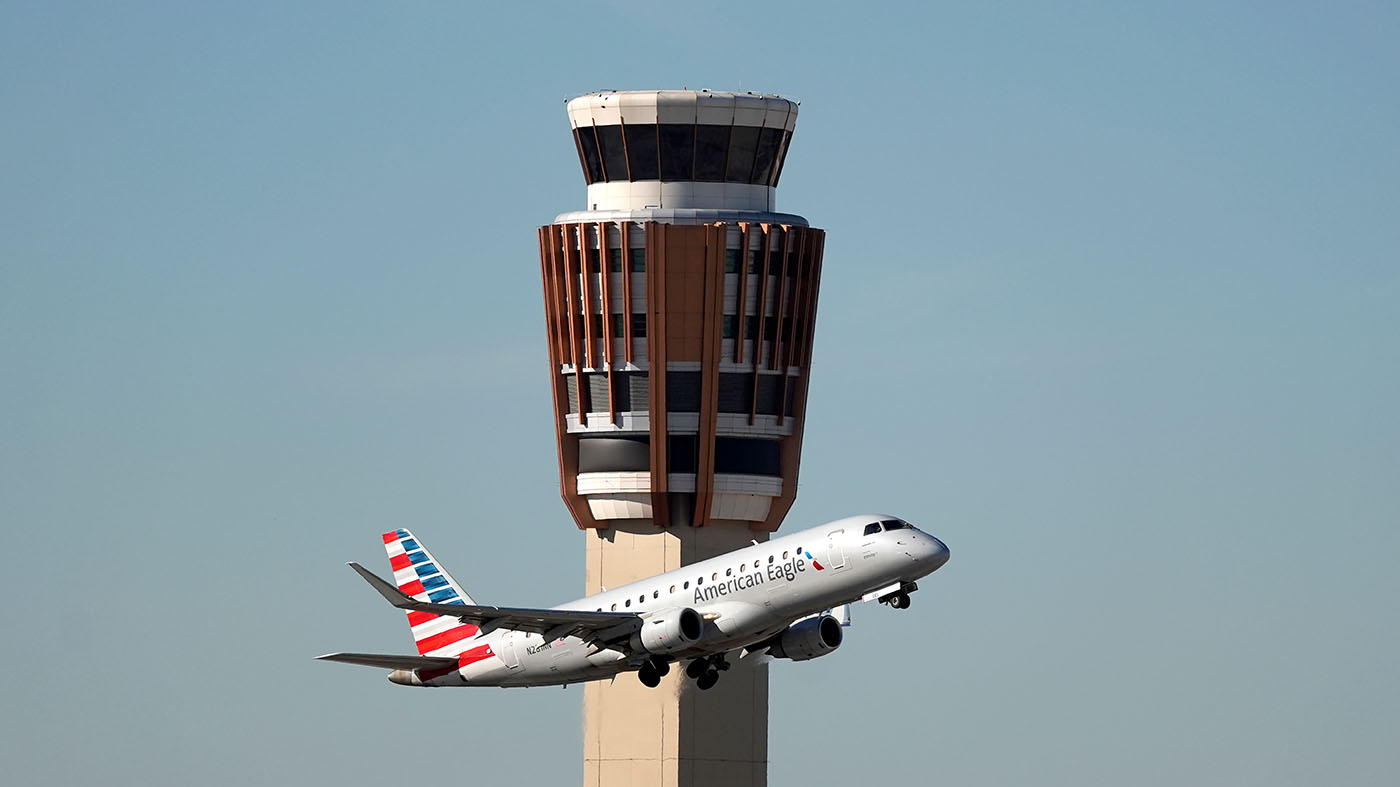
Even non-malicious system failures can disrupt operations. On July 28, an issue at American Airlines underscored system vulnerabilities, even without hostile actions. A significant disruption occurred in July 2024 when a CrowdStrike software update bug affected Windows operating systems, forcing airlines to adopt manual check-in procedures and use paper tickets. Delta Airlines faced approximately $500 million in costs due to flight cancellations and refunds. Although not a direct cyberattack, this bug exposed the risks of centralized data systems, causing widespread operational and financial damage.
Numerous critical infrastructures use centralized or hybrid management systems, making supervision more efficient but also heightening susceptibility to cyberattacks. For instance, the Federal Reserve operates through a network of 12 banks, with most financial transactions passing through it, forming a hybrid centralized system. A breach in any network section could delay payments and slow down financial activities.
Centralization can boost efficiency but introduces vulnerabilities. The balance between benefits and risks is central to complex systems’ design and functioning. Our digital economy requires ongoing assessment of this balance, with benefits frequently realized and risks mostly prevented. However, as seen with Canvas, negative outcomes can eventually arise. These rare yet significant disruptions highlight the costs of participating in a highly interconnected digital economy, which many accept without fully understanding the associated risks and costs.
Sheldon H. Jacobson, Ph.D., is a Computer Science professor at the University of Illinois Urbana-Champaign. He specializes in data-driven risk-based decision-making to evaluate and inform public policy.
Copyright 2026 Nexstar Media Inc. All rights reserved. This material cannot be published, broadcast, rewritten, or redistributed.
Leave a Reply