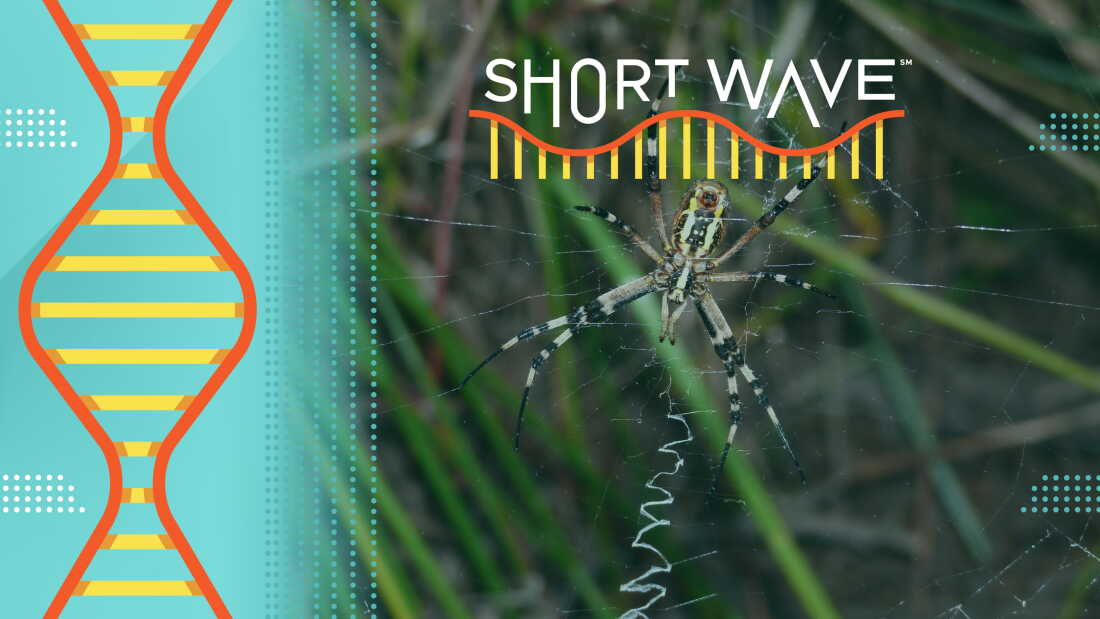
In this week’s science news roundup, Regina Barber and Emily Kwong discuss intriguing debates and discoveries.
Spider Webs and Stabilimenta
Orb webs, among the most identifiable spider webs, often feature unique decorations known as stabilimenta. These can range from zigzag patterns to circular disks. Physicist Gabriele Greco presented a hypothesis suggesting these decorations help spiders locate their prey in the web. Greco’s research appeared in the journal PLOS One. The hypothesis may spark further discussions in the scientific community.
Storytelling and Memory Formation
Another topic discussed is how the details in storytelling can influence memory formation. Details shared during storytelling sessions help shape memories and impact how individuals retain information. This has implications for both personal storytelling and broader media narratives.
TV Pixels and Viewing Experience
The concept that more pixels enhance TV viewing experiences was also examined. However, increased pixel counts do not always equate to improved viewing quality. This insight challenges the common assumption held among consumers regarding television technology.
For more inquiries, listeners can reach out with their science questions to [email protected]. The episode, produced by Brianna Scott and Rachel Carlson, underwent editing by Rebecca Ramirez and Christopher Intagliata. Fact-checking was conducted by Tyler Jones, with audio engineering by Hannah Gluvna and Ko Takasugi Czernowin.
Listeners can enjoy Short Wave episodes sponsor-free by subscribing to Short Wave+ at plus.npr.org/shortwave. The podcast is also available on Spotify and Apple Podcasts.
Leave a Reply