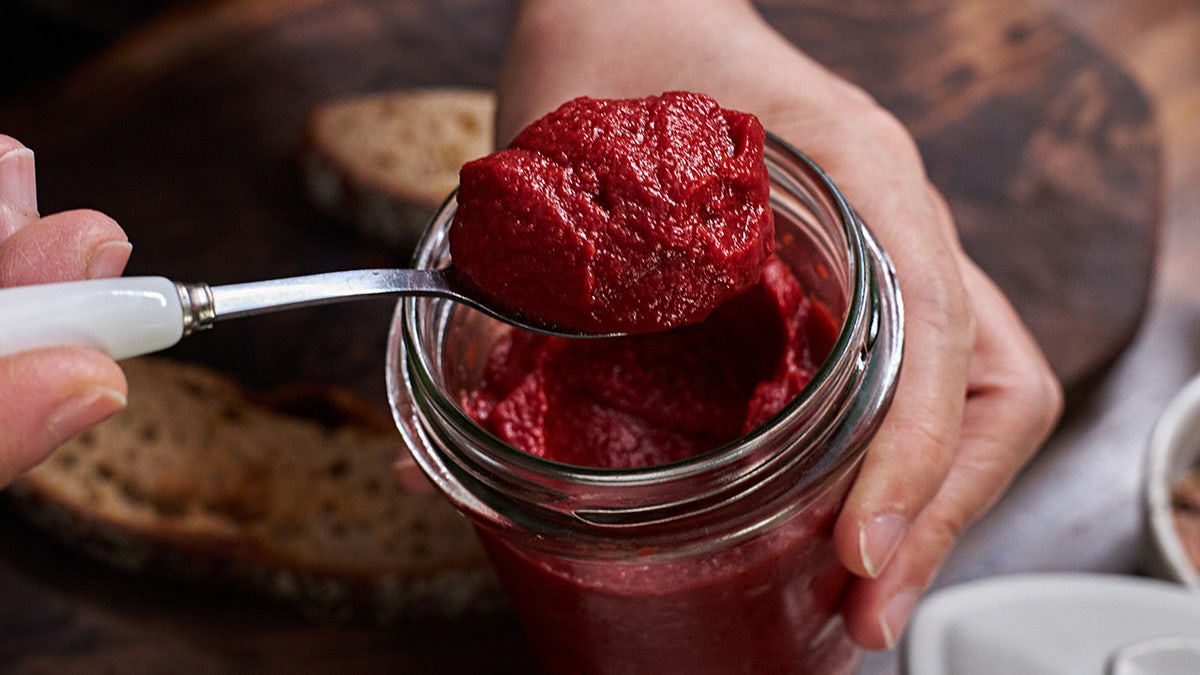
A recent study conducted by researchers in Spain suggests that consuming a couple of tablespoons of tomato paste daily might improve attention and processing speed. This common pantry staple, often used to enrich pasta sauce, is linked to slight improvements in cognitive performance.
The study involved 42 healthy adults aged 40 to 55. Participants consumed about two tablespoons of tomato paste daily for three months, followed by a washout period before switching to a diet low in lycopene. Lycopene is the red antioxidant pigment found in tomatoes and other fruits.
Results showed that participants scored moderately higher on tests measuring concentration, processing speed, and associative memory after the tomato paste diet. Specifically, concentration scores improved by an average of 7.2 points, processing speed by 8.3 points, and associative memory by 0.8 points.
The trial utilized a randomized crossover design, allowing participants to serve as their own comparisons before and after the dietary intervention.
Blood tests indicated a borderline increase in BDNF, a protein important for brain-cell growth and adaptability. Brain scans of a subset of participants revealed changes in resting connectivity. This refers to the interaction between different brain regions when not focused on a specific task. While these findings suggest efficient brain communication, the study’s small sample size limits the ability to confirm substantial brain benefits.
Published in the journal Antioxidants, the study does not claim tomato paste prevents cognitive decline or disease. However, it offers preliminary insights into the potential effects of lycopene-rich foods on the brain. Researchers underscore the need for larger studies to substantiate these findings.
Dr. John Showalter, an internal medicine physician, emphasizes the importance of naturally red foods in the diet. He notes that while the trial was small, it aligns with existing research highlighting adverse outcomes for individuals with low lycopene levels. These include higher mortality rates and increased cardiovascular events, suggesting a link between lycopene deficiency and poor brain function.
Other foods such as watermelon, papaya, and red peppers also contain lycopene. Cooked and concentrated tomato products like ketchup and sun-dried tomatoes provide high amounts of this antioxidant.
Fox News Digital sought additional comments from the researchers on this study. Deirdre Bardolf contributes as a lifestyle writer at Fox News Digital.
Leave a Reply