Manufacturing Plant Closure in Canada
More than 400 workers are affected by the temporary closure of a manufacturing plant in Canada due to a tariff dispute with the United States. The American paperboard manufacturer, RYAM, has announced the closure of its facility in Témiscaming, Quebec, citing U.S. tariffs as the direct cause. Operations will cease on September 15, impacting 425 workers.
A spokesperson for RYAM stated, “This decision is the result of a business environment that has become unsustainable, making continued operations simply no longer economically viable.” The email, seen by local news outlet North Bay Nugget, also explained that despite efforts to adapt, the tariffs’ magnitude prevents sustainable operations.
Economic Impact and Local Reaction
Témiscaming Mayor Alain Gauthier, previously an employee of the company, described the tariffs as devastating, calling them a “nuclear bomb” for sectors dependent on the U.S. markets. He further labeled the situation as an “economic war.”
Recent trade tensions have intensified following the breakdown of negotiations on a new trade agreement over the past two weeks. On August 22, the Trump administration imposed tariffs up to 50 percent on $27.6 billion worth of Canadian goods. These include agricultural, manufactured, and consumer products, adding to existing U.S. duties on steel, aluminum, and automobiles.
Canada’s Response and Escalation
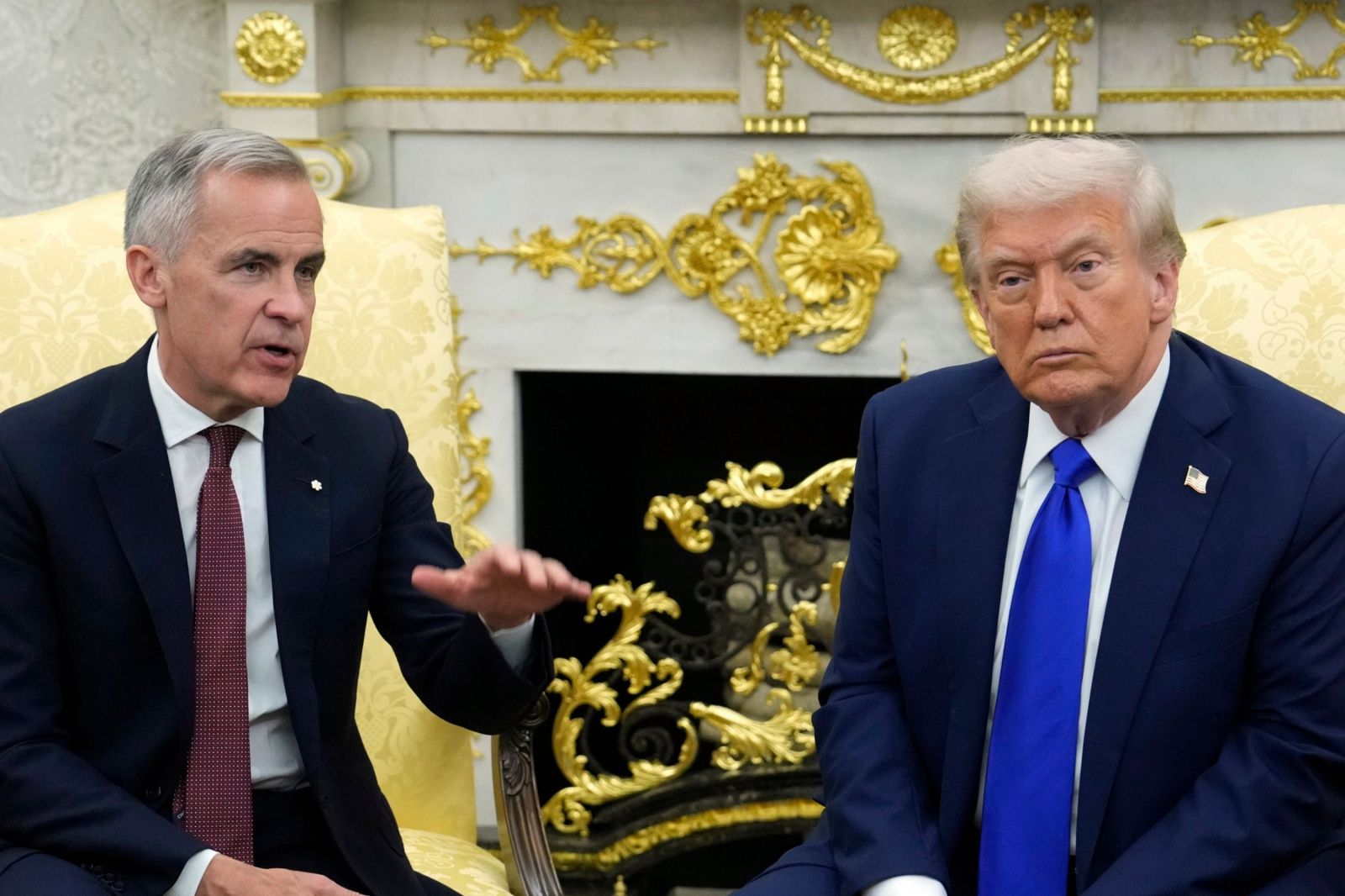
Canadian Prime Minister Mark Carney has halted further negotiations, stating that the terms sought by Washington are not favorable for Canada. Ottawa plans a dollar-for-dollar response to the U.S. actions.
The trade dispute between the U.S. and Canada has strained relations since President Trump began his second term in January 2025. The latest negotiations collapsed, with the U.S. imposing significant tariffs in what it describes as a counter to Canadian trade practices perceived as unfair.
U.S. Allegations of Discriminatory Practices
U.S. Trade Representative Jamieson Greer accused Canada of restricting American alcohol, providing preferential dairy access to the EU, and limiting U.S. vehicle exports. Greer emphasized that Canada continues to retaliate amid efforts to rebalance trade and protect U.S. industry.
The White House faulted Canada for negotiation failures, claiming Ottawa made unreasonable demands and rejections. Trump had purportedly offered Canada reduced tariffs on several key imports. However, Canada was willing to remove retaliatory tariffs entirely if the U.S. drastically reduced its duties.
Canada’s Economic Countermeasures
From September 8, Canada will impose tariffs on U.S. imports, covering steel, dairy, appliances, and electronics. The Canadian Department of Finance unveiled the plan, supplemented by a $7.5 billion support package for affected workers and businesses.
Carney acknowledged the potential negative impacts, noting the increase in costs and reduced choice for Canadians. Despite reluctance, Canada is engaging in retaliatory actions amid strained relations.
Political Relations and Broader Disputes
The trade dispute links to wider political tensions between the countries. Trump’s administration proposed controversial measures, like renaming Lake Ontario, which faced backlash. Carney remarked on the changed relationship with the U.S., acknowledging a departure from past cooperations.
Leave a Reply