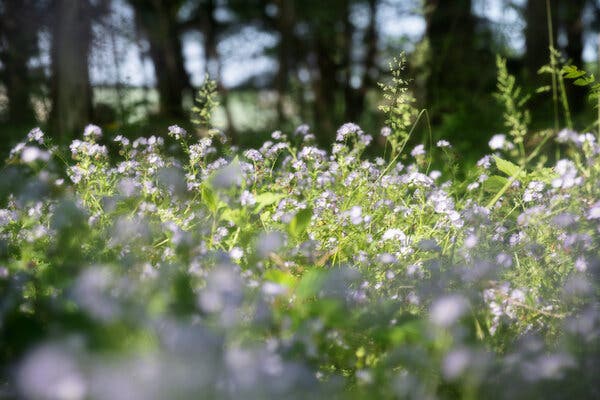
In the summer of 2020, my husband, Ryan, and I purchased a home in Portland, Oregon, with a neglected lawn in the backyard. While a dying rectangle of grass might deter some buyers, we saw potential. We envisioned it as a canvas for our dream garden.
That fall, we removed the remaining lawn and began creating our garden. We aimed to balance aesthetics with sustainability. Our goal was a garden full of fruits, vegetables, and flowers, all while conserving water and avoiding synthetic pesticides. We wanted a relaxing oasis for ourselves and a haven for wildlife.
We planted hardy, drought-resistant perennials like lavender, Coreopsis, Penstemon, sea holly, sunroses, and Sedum. Among these, we added peonies, dahlias, and Peruvian lilies, which needed more care. We built a small pond and bog, laid a flagstone path, espaliered fruit trees, and raised vegetable beds. We also set up a compost bin, drip irrigation, and began mulching.
Two years later, the once barren yard was vibrant and full of life. Insects arrived first, including diverse wild bees like metallic blue mason bees and glittering green sweat bees. Other insects like dragonflies, hoverflies, butterflies, and beetles followed.
Soon, larger animals appeared: songbirds, hummingbirds, raptors, jumping mice, and raccoons, who frequently visited the pond. I believed our garden was not only beautiful and productive but also ecologically beneficial.
However, as I engaged with the wildlife gardening community, my confidence wavered. Many gardeners focused intensely on whether their plants were native. Most plants in North American nurseries are foreign imports, while native species have long histories in their regions. Advocates for native plants argue that these plants are better adapted to local ecosystems and support wildlife more effectively.
Leave a Reply