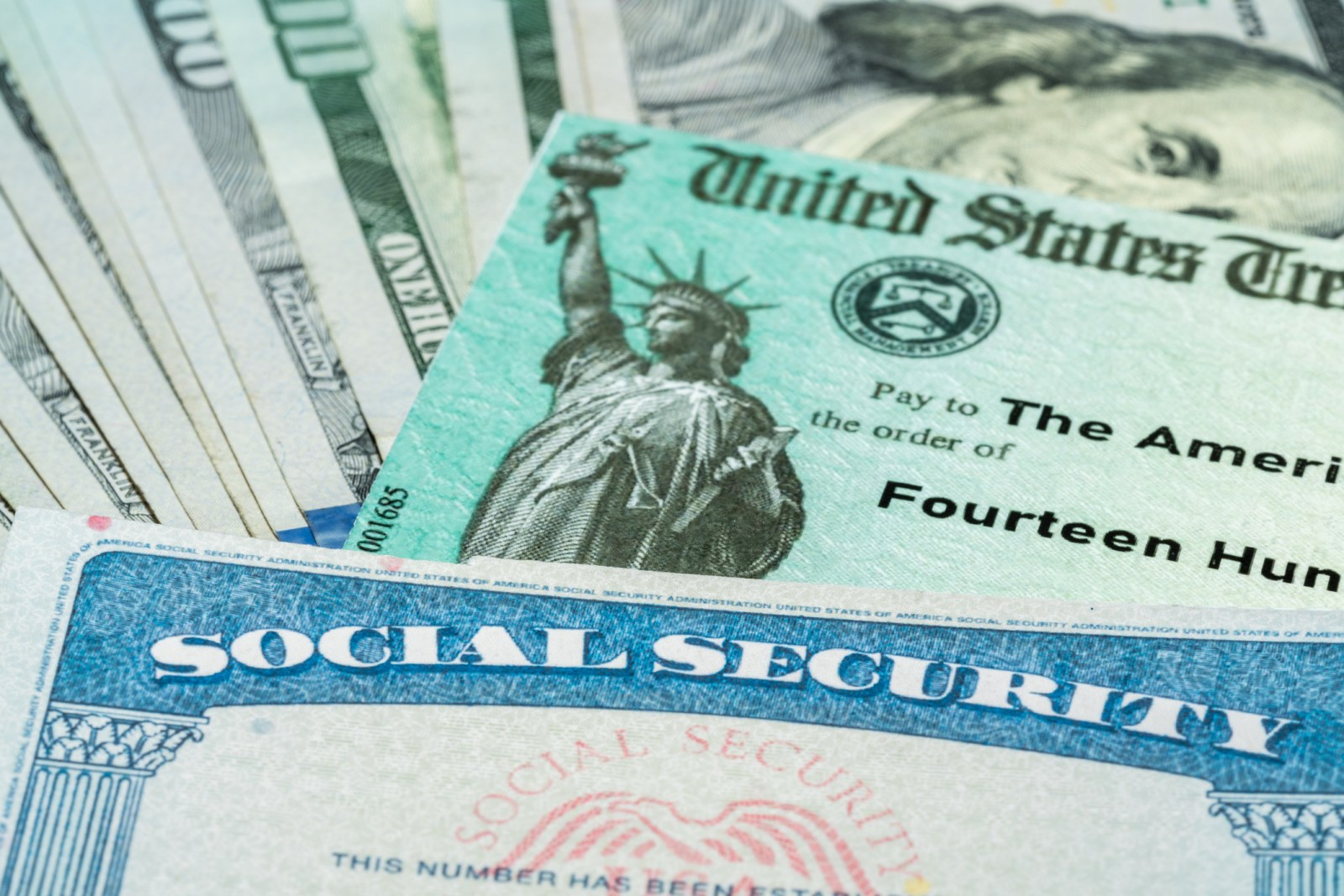
Hundreds of thousands of Social Security recipients who still receive paper checks will soon need to switch to electronic payments. The federal government is finalizing a transition away from paper disbursements.
An executive order, signed by President Donald Trump, mandates federal agencies, including the Social Security Administration (SSA), to issue most payments electronically after September 30, 2025. This affects Social Security benefits, Supplemental Security Income (SSI), Social Security Disability Insurance (SSDI), tax refunds, and other federal payments.
Impact on Beneficiaries
Most beneficiaries will experience little change, as they already receive payments electronically. However, those relying on paper checks may need to act before the new rules take effect.
Reason for Transition
Executive Order 14247, signed in March, directs federal agencies to adopt electronic payment systems where feasible. This is part of a federal initiative to upgrade government payment systems and lessen the dependence on paper checks. Concerns about fraud and delivery have been cited by the SSA.
The Trump administration stated that maintaining systems for paper payments is costly and less safe than digital alternatives.
According to the order, federal disbursements should now be through electronic methods like direct deposit, debit and prepaid cards, digital wallets, and real-time payment systems. The administration identified potential benefits, including fraud prevention, increased efficiency, cost savings, and improved security.
Costs and Security
Data from the Treasury Department shows paper checks are 16 times more prone to loss, theft, alteration, or return compared to electronic payments. It costs $3.07 on average to print and send a paper check, versus a fraction of that for electronic transfers.
The SSA aims for a smooth transition, especially for seniors, people with disabilities, and those lacking traditional bank accounts.
Electronic Payment Adoption by IRS
The SSA isn’t alone in implementing this policy. The Internal Revenue Service is also adopting the executive order’s mandates for electronic payments, including tax refunds.
Exemptions to Electronic Payments
While electronic payments are the new standard, the executive order allows exemptions in specific cases. Individuals without banking or electronic payment access might qualify for waivers. Exceptions can also apply in emergencies or specific law-enforcement scenarios, as approved by the Treasury Department.
Beneficiaries living in remote areas or facing mental health challenges may request exceptions.
Guidance for Switching
The SSA encourages recipients relying on paper checks to switch promptly. Enroll in direct deposit by creating or logging into a My Social Security account and entering bank details. Banks and credit unions can also submit direct-deposit information for customers.
For those without traditional bank accounts, benefits can be loaded onto a Direct Express prepaid debit card. Switching before the deadline avoids payment disruptions and ensures timely benefit receipt.
Leave a Reply