Duane “Keffe D” Davis, aged 63, is scheduled for trial, accused of orchestrating the 1996 murder of Tupac Shakur. The trial addresses connections between the hip-hop legend’s death and rival gangs involved. He faces a murder charge linked to promoting criminal gang activity.
Shakur, celebrated for albums like “California Love,” died amid conflicts in the music scene. This trial aims to demonstrate Davis’s alleged role in providing the murder weapon. Court proceedings seek not to identify the shooter but link Davis to the crime through his actions and public statements.
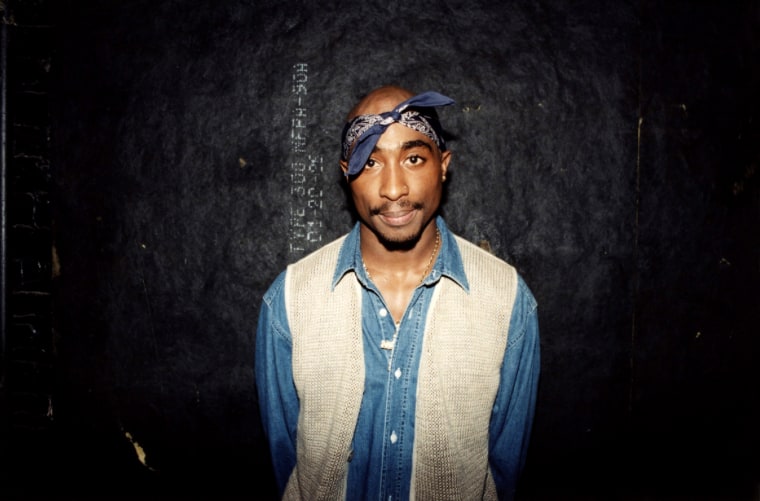
A Hollywood icon: Tupac Shakur’s brilliance in music remains unmatched.
Davis has pleaded not guilty, and the case will resume decadeslong debates over Shakur’s tragic demise. Murmurs in Las Vegas on September 7, 1996, detailed Shakur riding with Marion “Suge” Knight when shots were fired from a nearby Cadillac. Shakur died six days later from his injuries.
The Revival of a Cold Case
Investigation into Shakur’s murder resurfaced following Davis’s memoir and public interviews admitting his prior involvement as a South Side Compton Crips leader. His accounts led police to reexamine the case. Still, his defense asserts the state’s reliance on unreliable witnesses and dismisses direct involvement claims.
For Shakur’s family, particularly his stepbrother Maurice “Mopreme” Shakur, the trial signifies ongoing turmoil. Although eager for truth, Mopreme acknowledges the emotional toll this trial poses, hoping for a fair process.
Underlying Feuds in Hip-hop
The events unfold against backdrop of records butting heads – Death Row Records and Bad Boy Records – and gang sects’ rivalry, culminating in violence. Witnesses presented connections between rival groups, each allied with significant labels featuring prominent artists such as Sean “Diddy” Combs and The Notorious B.I.G.
Prosecutors argue that personal animosity fuelled the attack on Shakur following events at the MGM Grand involving Davis’ nephew Orlando “Baby Lane” Anderson.
Davis’s Memoir’s Role in the Trial
Prosecution relies heavily on Davis’s book “Compton Street Legend,” which contains confessions about the night Shakur died. Defense argues for exclusion of this content, citing potential fictional elements. Despite requests, courts permit the memoir’s leverage to challenge Davis’s staunch denials.
The memoir narrates the altercation’s progression, alleging self-defense initiation by Shakur before his group’s return fire.
Seeking Justice and Resolution
Mopreme Shakur acknowledges no verdict can restore Tupac’s life. He wishes for further exploration into accusations targeting producers like Combs, who were mentioned in Davis’s statements but deny culpability.
As conversations around Shakur’s influence persist, his legacy in the music industry is evident, embodied by global sales exceeding 75 million albums. Historian Jeffrey O.G. Ogbar reflects on Shakur’s lasting impact, noting his unparalleled music career.
Leave a Reply