Overview of Proposed Changes
The Trump administration has announced a plan to revamp how Medicare pays for outpatient care. Officials believe this could help reduce costs for millions of older Americans. However, hospitals caution that the changes might threaten funding for providers serving low-income and vulnerable patients.
The Centers for Medicare and Medicaid Services (CMS) released the proposed rule, aiming to cut Medicare payments for hospitals in the federal 340B drug discount program and expand site-neutral payment policies for specific outpatient services. CMS suggests these changes will make healthcare more affordable and remove payment disparities that can increase costs for beneficiaries.
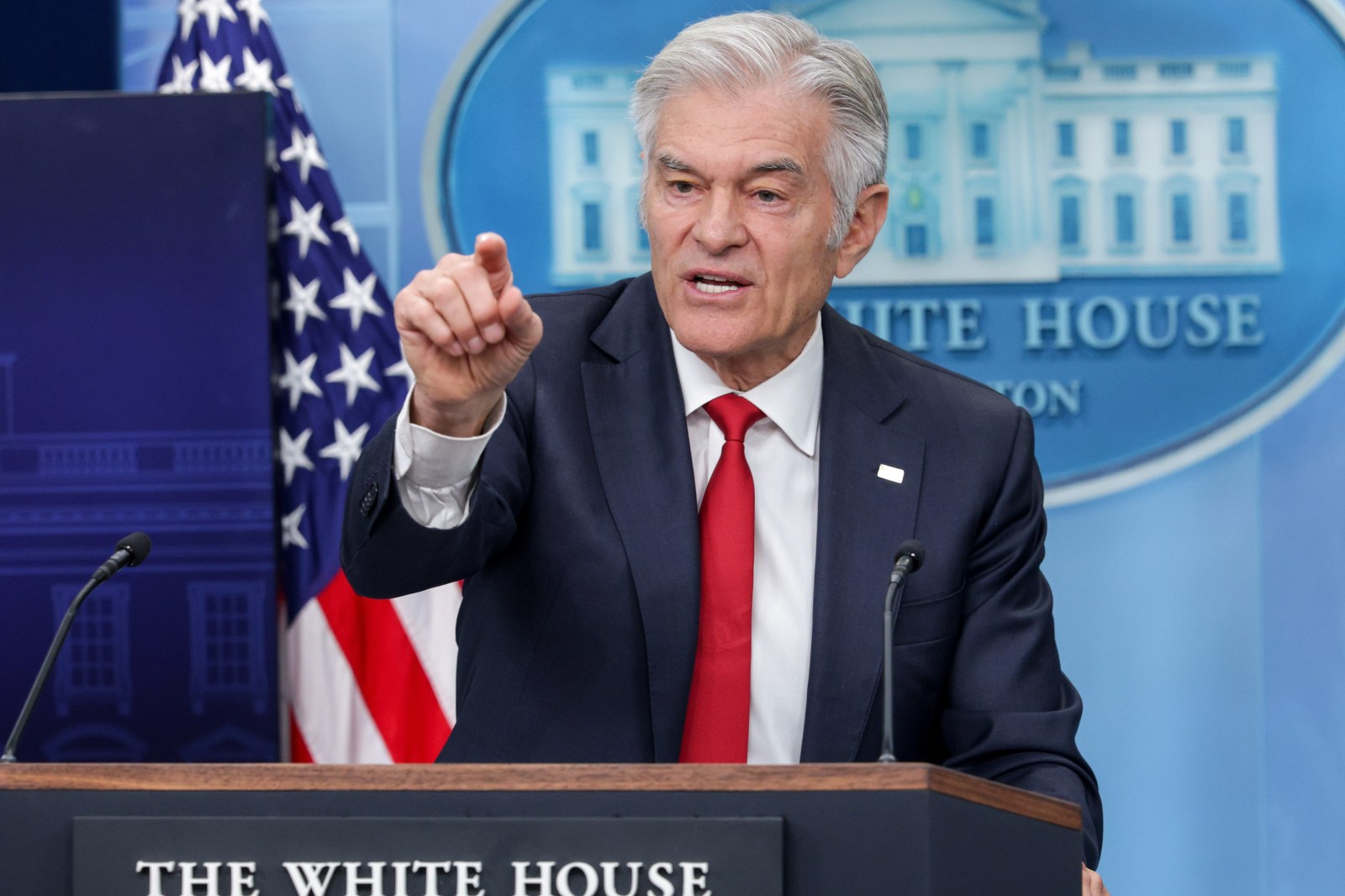
CMS Administrator Dr. Mehmet Oz stated, “This proposed rule focuses squarely on patient affordability by strengthening our utilization management tools, aligning drug payments with actual acquisition costs, and removing site-of-care disparities that have unnecessarily driven up costs for millions of seniors.”
Importance of the Proposal
Healthcare costs are a significant issue for older Americans. Many Medicare beneficiaries are facing rising premiums, deductibles, and prescription drug prices. Oz emphasized that the proposal addresses “patient affordability,” but hospitals worry that the proposed cuts may weaken safety-net providers caring for underserved populations.
Jennifer DeCubellis, president and CEO of the advocacy group America’s Essential Hospitals, expressed concerns over the potential impact, stating, “The proposed OPPS rule from CMS takes an axe to critical funding that supports essential hospitals without concern for how it will affect the patients they serve.”
Details of the New Rule
If finalized, the rule is set to take effect in 2027, potentially influencing how much Medicare beneficiaries pay out-of-pocket for certain drugs and outpatient procedures. The rule proposes a 2.4 percent increase in pay for outpatient care, slightly lower than the previous year’s 2.6 percent rate update.
Kevin Thompson, CEO of 9i Capital Group, explained, “In the short run, many Medicare beneficiaries could actually pay less out of pocket because reimbursement would be closer to what hospitals paid for the drug. The concern is longer term. If hospitals lose that revenue, they will likely look to make it up somewhere else.” Thompson added, “Whether nonprofit or for-profit, hospitals should not be profiting off the spread between steep government discounts and higher Medicare reimbursement.”
340B Drug Payment Cuts
CMS proposes a reduction in Medicare reimbursement for drugs purchased through the 340B program, allowing eligible hospitals to buy outpatient drugs at discounted prices. The program is designed to assist hospitals serving large numbers of low-income and uninsured patients. CMS claims that Medicare would pay significantly less for 340B-acquired drugs starting in 2027, potentially reducing both Medicare spending and beneficiary cost-sharing.
Thompson mentioned, “The goal is to lower Medicare drug costs, not eliminate the 340B program.” He questioned who would absorb the reduced reimbursement, stating, “If hospitals don’t absorb it, those costs could eventually show up elsewhere in the healthcare system through higher prices or fewer services.”
Expansion of Site-Neutral Payments
CMS aims to broaden site-neutral payment policies to certain imaging services conducted in hospital outpatient departments. Medicare commonly reimburses hospitals more than doctors’ offices for the same service.
The proposal suggests reimbursing some imaging procedures at physician-office rates instead, as patients often face higher cost-sharing for services billed through hospital outpatient departments. Experts believe site-neutral payments aim to minimize these discrepancies.
Alex Beene, a financial literacy instructor for the University of Tennessee at Martin, elaborated, “The 20 percent coinsurance would be calculated from a payment closer to what 340B hospitals actually paid, rather than a much larger reimbursement amount.” He added that the savings would only apply to specific physician-administered Part B drugs at participating hospitals.
Potential Benefits for Medicare Beneficiaries
The main advantage for patients is potentially reduced out-of-pocket costs. CMS indicates that reducing payments for 340B drugs would lower beneficiary cost-sharing related to those medications. Additionally, site-neutral payment reforms might help decrease costs when patients receive care in hospital-owned outpatient settings.
If the rule is approved, Medicare beneficiaries could experience:
- Lower cost-sharing for certain outpatient prescription drugs.
- Reduced costs for some imaging services conducted in outpatient settings.
- More consistent pricing between hospital outpatient departments and physician offices.
However, the impact will mainly depend on which services a patient uses and whether the proposed rule is finalized without major adjustments.
Next Steps
The proposal is part of CMS’s draft 2027 Hospital Outpatient Prospective Payment System and Ambulatory Surgical Center payment rule. It must undergo a public comment process before a final version is issued. If completed, the changes would be effective next year.
Beene emphasized the importance of the long-term question, “whether Medicare can eliminate expensive markups without weakening the safety-net hospitals that use 340B revenue to support care for beneficiaries.” Contact Newsweek editors on this story: Steve Mollman and Shakeema Edwards.
Leave a Reply