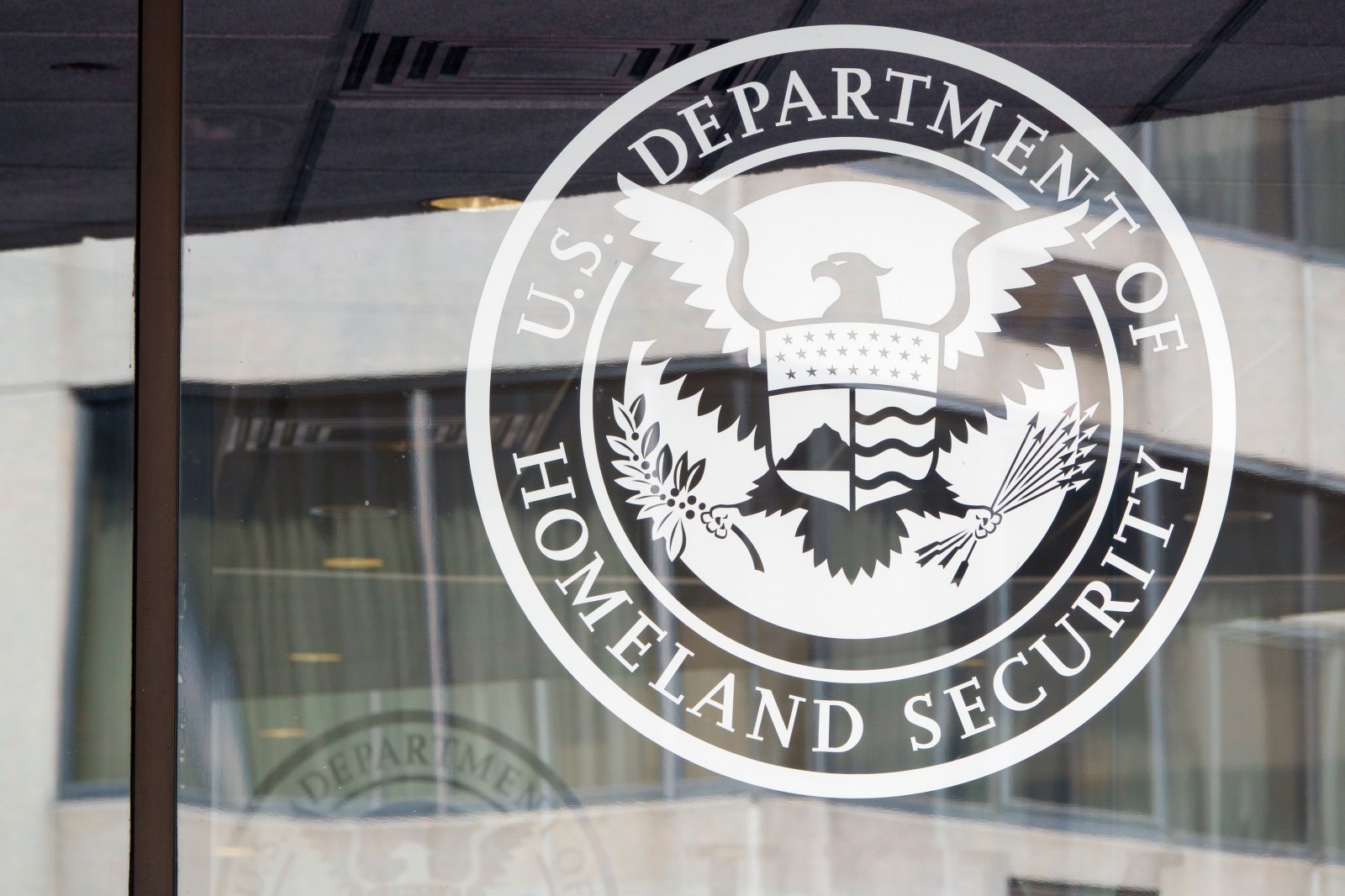
The Trump administration announced plans to impose limits on green card issuance to immigrants who have utilized government benefits. This action reverses a Biden-era policy. The rule nullifies a 2022 regulation that narrowly defined ‘public charge’ criteria and limited public benefits that could impact immigrants seeking legal residency.
Officer Discretion in Public Charge Evaluations
Under the new guidelines, immigration officers will regain discretion to assess an applicant’s financial status and history of government assistance. This assessment could influence the likelihood of green card approval. Zach Kahler, a spokesperson for U.S. Citizenship and Immigration Services (USCIS), stated the administration aims to enforce the law and protect taxpayers from supporting immigrants dependent on public benefits.
Understanding ‘Public Charge’
Federal immigration law allows denial of entry or permanent residency to those likely to become a public charge, meaning a person expected to depend chiefly on government aid rather than personal income or support networks.
Public charge evaluations most commonly occur during green card applications or when seeking U.S. entry. Immigration officers consider factors such as age, health, family status, finances, education, skills, and employment history to determine if an applicant may rely on government support.
Consideration of Public Benefits
The Department of Homeland Security (DHS) states the new rule allows officers to evaluate means-tested public benefits in public charge decisions. These include Medicaid, SNAP, housing aid, and other government support available to low-income individuals and families.
The Biden-era rule had significantly restricted how non-cash benefits influenced immigration decisions, creating a narrow framework for evaluating public charge concerns. DHS argues these restrictions hindered officers from making individualized assessments as intended by Congress.
Additionally, the department revised rules on public charge bonds, noting that receiving means-tested public benefits breaches bond conditions.
Expected Reduction in Program Enrollment
A key feature of the rule is DHS’s expectation that fewer immigrants will enroll in public assistance due to the policy. The department estimates the rule could reduce public-benefit transfers by roughly $13 billion annually, and about $111 billion over ten years.
This anticipated reduction stems from immigrants opting out of benefit programs to avoid negative effects on future immigration applications. The DHS acknowledges that lower participation in programs like Medicaid, SNAP, and housing aid might economically impact healthcare providers, grocers, landlords, and other businesses receiving revenue via these programs.
The administration holds that immigrant benefit usage drains public resources. However, studies indicate that immigrants often contribute to these programs through taxes.
Implementation and Impact
USCIS announced the new rules will be effective from September 18. Applicants for status adjustment from that date must use updated forms. For more information, contact Newsweek editors Jason Lemon and Gray R. Thomas.
Leave a Reply