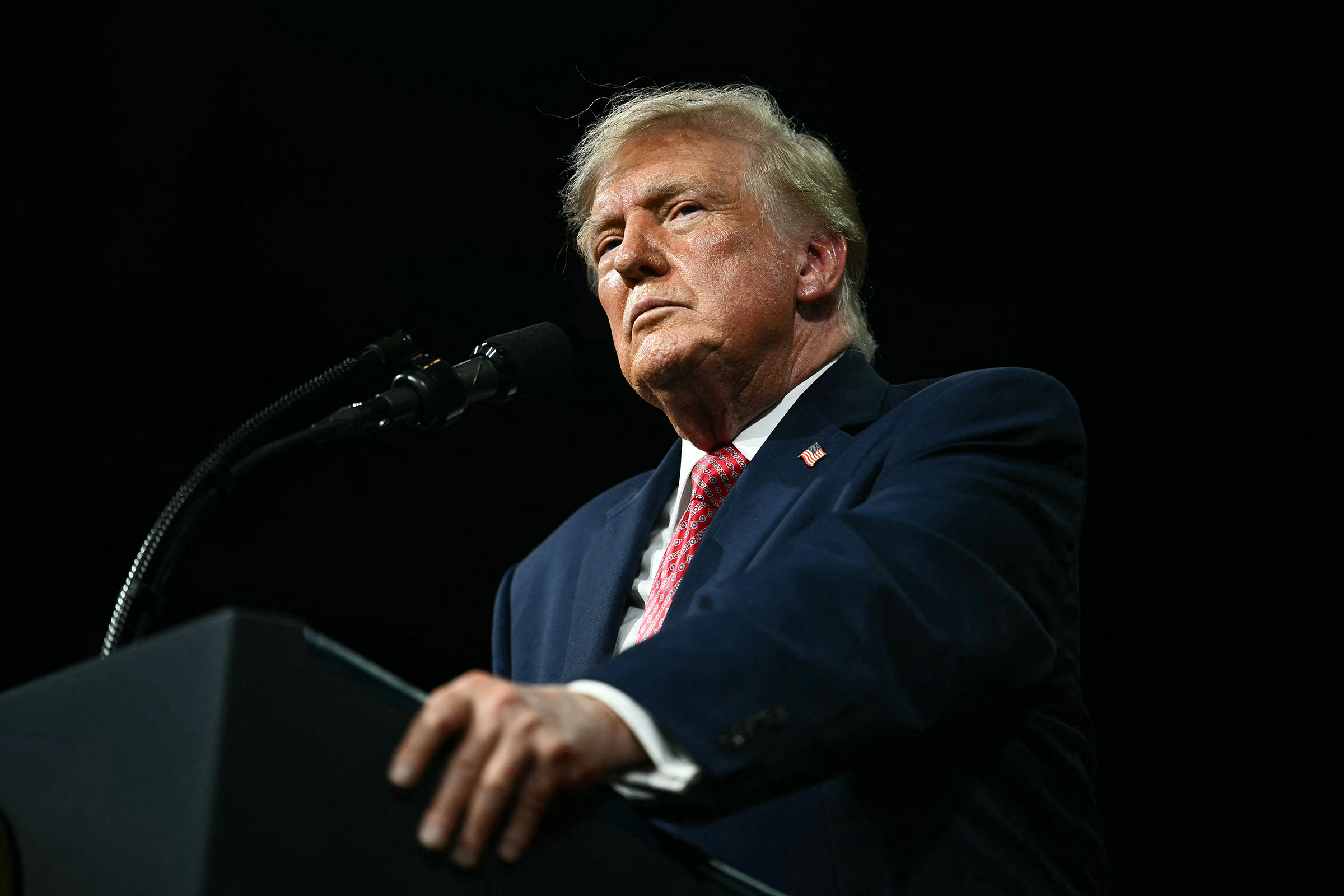
On the brink of elections, President Donald Trump addressed a crowd at the Lincoln Memorial Reflecting Pool. Though aides wanted him to address issues like rising gas prices, costly groceries, and foreign conflicts, Trump focused largely on construction projects.
His campaign speeches were marked by off-topic tangents. He talked about oil companies’ profits amid energy cost concerns, mocked Democratic candidates, and diverted to odd discussions about physiques. As one aide observed, it was hard to connect with voters struggling with gas prices when Trump discussed unrelated topics.
The Democrats won decisively, taking control of both the House and Senate. They succeeded in traditionally Republican territories, overturning Trump’s endorsement of controversial candidates. Trump acknowledged the losses and noted that issues like the war in Iran affected the outcome.
Trump seemed indifferent to the midterm results, seeing historical patterns as justification. Despite advisers’ efforts, he remained focused on history rather than current actions. Trump’s tenure saw Republicans bow to his influence, but this electoral defeat signified potential shifts in his power dynamics.
For over a decade, Trump commanded unparalleled loyalty and influence over the Republican Party.
Many presidents nearing the end of their terms turn to international affairs. Trump showed interest in renewing military actions against Iran. He also aimed to focus on the Western Hemisphere due to growing competition with China and Iran.
Despite the new Democratic majority, Trump’s aides anticipate his resolve to increase. They believe he could become more defiant, using any investigations to his advantage. Trump’s new chapter, as one ally mentions, may not feature a ‘kinder’ approach.
As the midterm elections approached, Trump hesitated in investing significant funds from his super PAC. Despite encouragement, he was slow to support candidates in trouble, like Ken Paxton in Texas. When he did campaign, he often strayed off message.
Trump attempted to replicate tactics from his 2024 campaign, engaging nonpolitical platforms. But his political instincts faltered, as seen in promises of financial checks for votes and hasty personnel decisions like hiring untested press secretaries.
Voters’ dissatisfaction extended beyond financial strains. Concerns about governmental corruption surpassed worries about inflation. A discontented electorate sent a clear message of change against Trump’s administration.
Trump’s insistence on loyalty might shift as Republicans consider future strategies. As Vice President J.D. Vance navigates party dynamics, tensions might arise within Trump’s coalition. A developing post-Trump landscape could see shifts in loyalties among once-staunch allies.
Leave a Reply