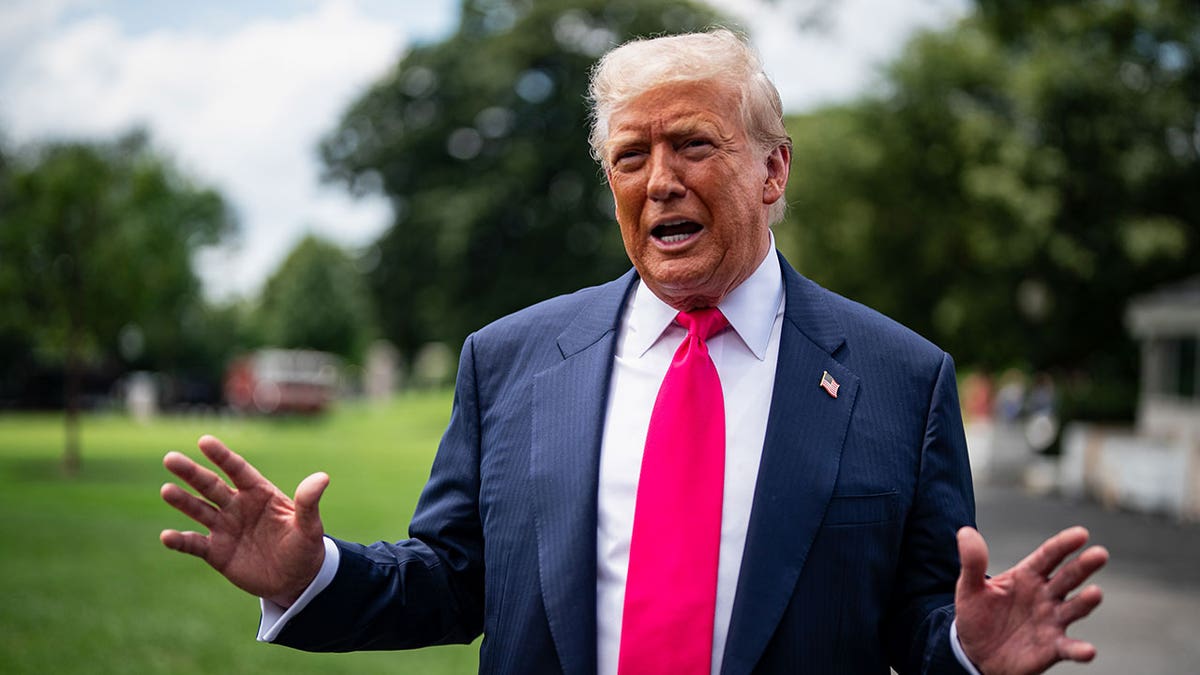
President Donald Trump rejected calls for more restrictions on artificial intelligence (AI), advocating for firm leadership as the key to managing AI growth. He emphasized the need for a ‘STRONG AND SMART’ president to lead the United States in handling AI advancements.
Some leading voices in Silicon Valley, including those from the AI sector, have voiced concerns over the rapid development of AI. Trump’s message, shared on Truth Social, underscored his belief that America does not need additional constraints. He highlighted the nation’s existing regulatory power over AI companies.
Dario Amodei, CEO of Anthropic, stirred discussion with his recent appeal to slow down AI development. He warned that AI might advance beyond human comprehension. Amodei’s proposition urged industry leaders to strategically pace their progress to retain control.
“The only control or ‘guardrails’ that AI needs is a STRONG AND SMART (High IQ!) PRESIDENT, and the U.S.A. has that, in spades!” Trump said.
Previously, the Trump administration had flagged Anthropic as a risk to the supply chain, restricting federal use of its AI. This decision, however, faced temporary legal opposition. Anthropic is known for its AI model Claude, a leading chatbot in the U.S.
Trump argued that further restraints might inadvertently aid China in competing for AI supremacy. He condemned any conspiracy against AI and data centers, suggesting these would benefit China strategically.
The debate over AI’s future in America continues to escalate. Amodei and other industry leaders argue for voluntary pacing of AI development. Sam Altman of OpenAI and Elon Musk support this cautious approach. They see the importance of aligning development with safety measures to ensure controlled growth.
David Sacks, an advisor in Trump’s administration, challenged the notion of government intervention. He suggested that companies have the power to self-regulate without needing external authority.
Amodei’s proposal suggests allowing third-party evaluators similar access to employees for safety checks. OpenAI expressed support for this approach, showing willingness to adopt these practices.
Sacks and other critics warn that global cooperation regarding AI regulation faces challenges like China’s likely resistance to international agreements.
Altman outlined how AI companies can enhance safety practices for trust and accountability. He called upon all AI firms to adopt shared standards and engage in consistent evaluation of risks.
Leave a Reply