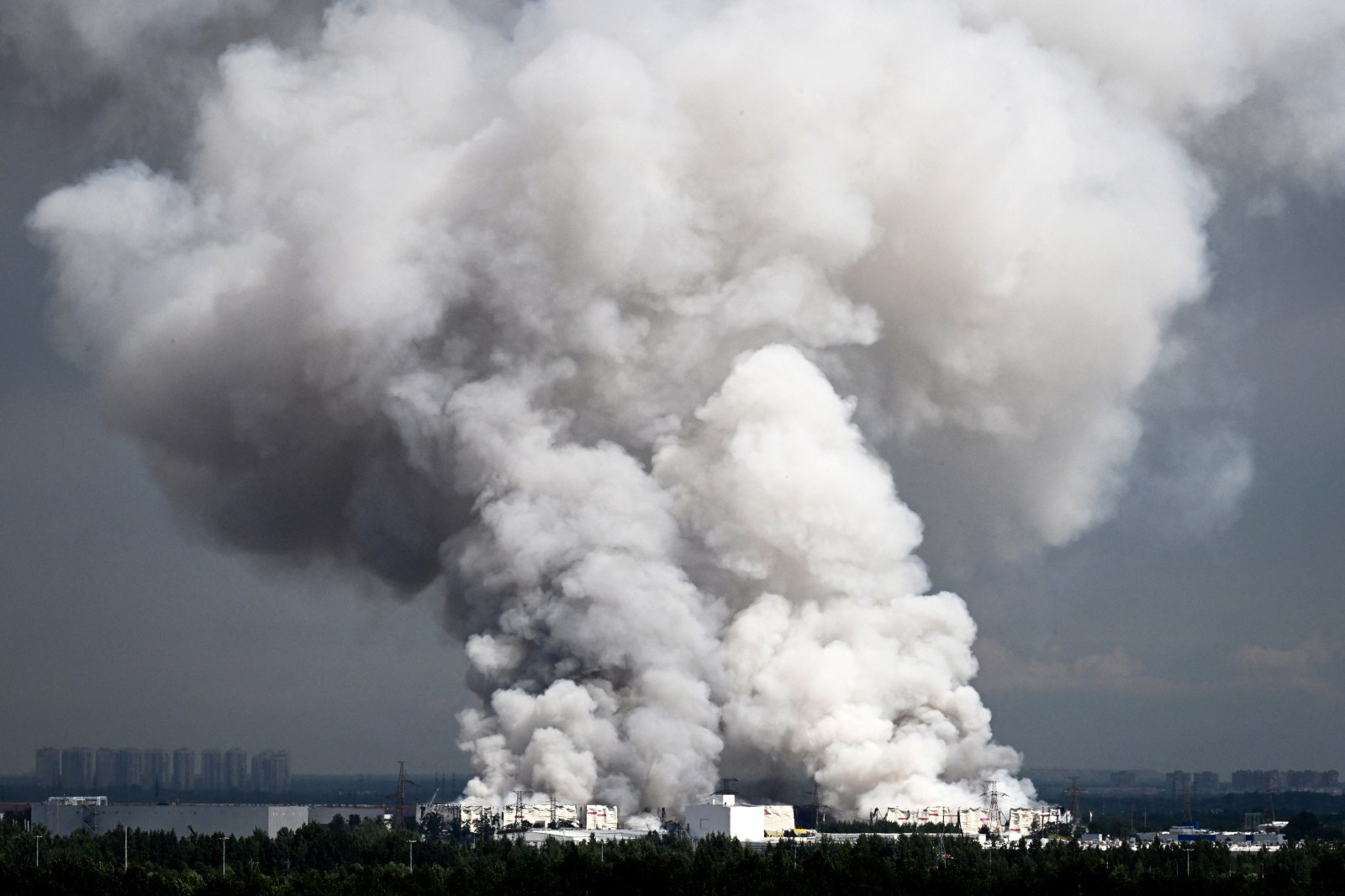
Wildberries, a Russian e-commerce company likened to Amazon, has recently entered the international spotlight. Ukrainian drone attacks have destroyed eight of its logistics hubs, reducing its warehouse capacity by over ten percent. Rebuilding efforts are projected to cost approximately $460 million, with additional losses from destroyed merchandise, impacting many small Russian sellers.
In tandem, Ukrainian offensives have disrupted a quarter of Russian refining capacity, prompting fuel rationing across more than half of Russia. Despite being a leading energy exporter, Russia struggles to supply its vehicles.
During Trump’s presidency, major geopolitical shifts occurred. Contrary to critics who labeled him as a Russian asset, under Trump, Russia did not expand its territories. Previous administrations witnessed Russian territorial acquisitions; Bush faced the Georgia conflict, while Obama saw the annexation of Crimea. A full-scale invasion occurred under Biden’s leadership, but Trump’s tenure was marked by the absence of new Russian conquests.
Success came not from Trump’s innate understanding of Putin but from his ability to quickly adjust strategy. Initially, his administration entertained isolationist policies that aligned with Russian interests. However, when faced with Russia’s unwavering demands, Trump shifted his stance without delay. This contrasted sharply with the prolonged processes his predecessors underwent.
Trump’s Two-Pronged Strategy
Trump’s strategy focused on empowering Ukraine and expanding American influence in post-Soviet regions. The first approach gave Ukraine significant autonomy in military decisions. Europe funded, the U.S. provided weapons, and Ukraine decided their strategic applications. This empowerment led to successful strikes, demonstrating what happens when restrictions on Ukrainian military action are lifted.
During a NATO summit, Trump humorously interacted with Ukrainian President Zelensky regarding potential talks in Moscow, acknowledging the presence of Ukrainian drones in the region.
The second approach involved shifting the geopolitical landscape in the post-Soviet space. Trump facilitated peace between Armenia and Azerbaijan, ending long-standing conflicts. This peace agreement diminished Russian leverage in the region. In June’s elections, despite Russian interference, Armenian leadership prevailed, paving the way for treaties that could further weaken Russian influence.
In Central Asia, Trump enhanced U.S.-Kazakhstan relations through multi-billion dollar partnerships and opened channels of communication that were unprecedented. These countries, previously under Russian sway, now see the U.S. as a viable ally against Russian hegemony.
The motivations for these nations to align with the U.S. are clear. Russia has historically played a divide-and-conquer role among former Soviet states, profiting from their divisions. The recent conflict in Ukraine reinforced for many that aligning with the West ensures their survival.
Kazakhstan’s President Tokayev, on live television, emphasized the need to end the war, signaling a shift among Russia’s neighbors.
While Trump’s policies capitalized on these dynamics, much of Russia’s current weakening stems from Putin’s decisions. The invasion of Ukraine and rampant corruption within Russia have contributed to its decline. Trump’s administration chose to harness these developments, distancing itself from stability-driven policies of prior administrations.
Russia’s current vulnerability is unprecedented since the Soviet Union’s fall, and its neighbors are positioning themselves accordingly. This reflects Trump’s approach during his presidency, showcasing a strategic recalibration in U.S.-Russia relations.
Joseph Epstein serves as the director of the Turan Research Center and is a senior fellow at the Yorktown Institute. The perspectives shared are his own.
Leave a Reply