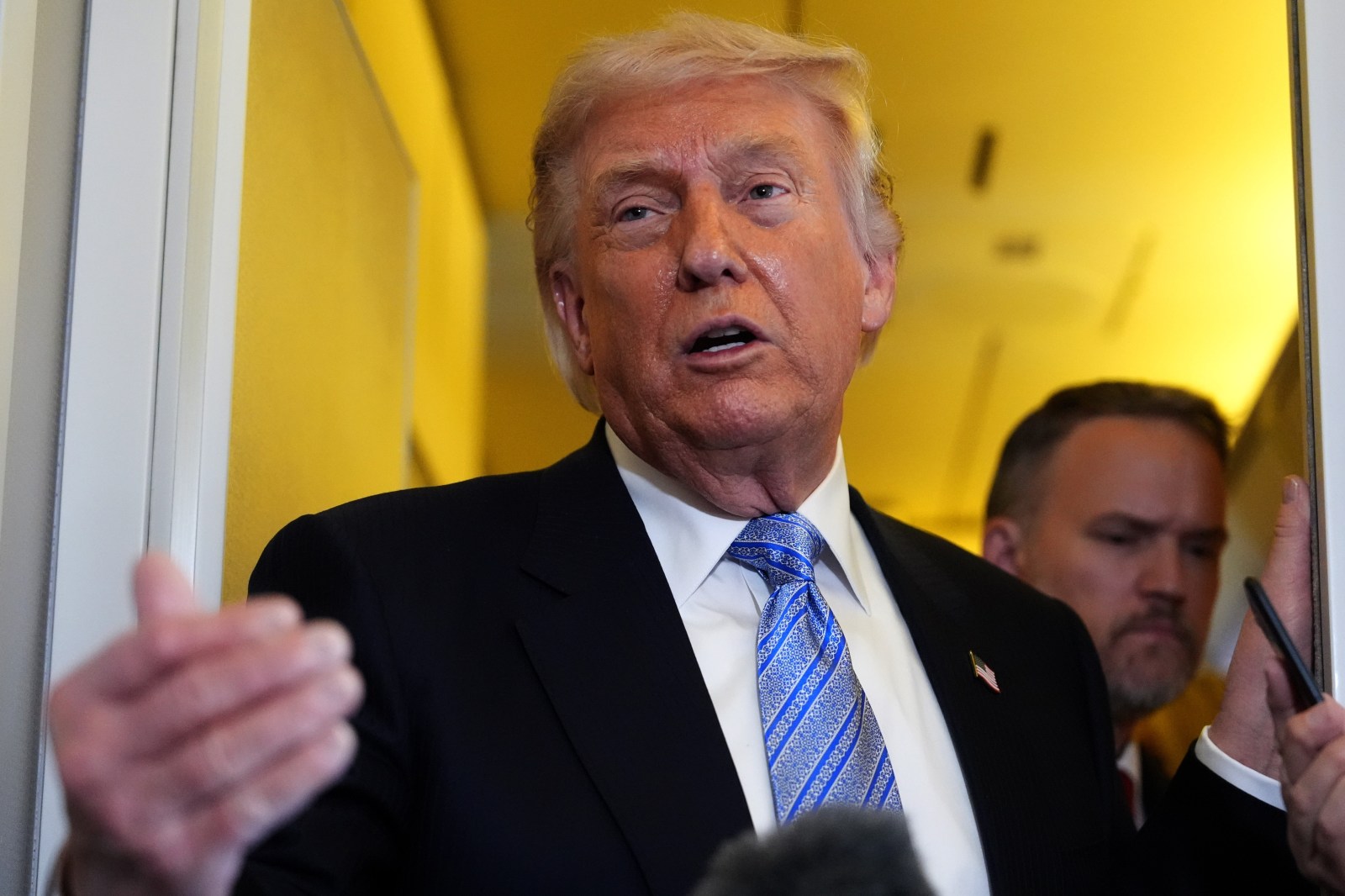
President Donald Trump’s new executive order focuses on enhancing financial due diligence by urging banks to improve their ‘know your customer’ procedures. The emphasis is on more thorough background checks of clients, especially concerning immigration status. Titled ‘Restoring Integrity to America’s Financial System,’ the order targets risks associated with offering financial services to those deemed inadmissible or removable under immigration laws.
Risks and Guidance
The order calls on regulators to provide guidance on curbing unlawful financial activities. While it doesn’t mandate citizenship checks, it introduces new regulatory pressures. This has raised concerns among experts about potential impacts on banks and customers.
The White House has highlighted the order’s role in addressing national security threats and minimizing illicit financial activity across borders. Lending to individuals potentially facing deportation is also seen as risky under tough immigration policies.
However, analysts caution that scrutinizing noncitizens’ financial activities could reduce U.S. tax revenue. The Yale Budget Lab estimates a potential $479 billion tax revenue loss over a decade due to decreased tax filings.
Advisory for Banks
Plans requiring banks to gather citizenship information from customers had been previewed for weeks. Treasury Secretary Scott Bessent noted the process was underway, asserting the importance of knowing who is in the banking system.
Still, the executive order issued on Tuesday was less expansive. It tasked the Treasury Secretary with providing guidance within 60 days on risks associated with unauthorized financial activity. These risks include signs of payroll tax evasion, using non-U.S. documents, and employing individual taxpayer identification numbers (ITINs) when applying for credit.
The White House noted that using ITINs instead of Social Security numbers could imply accounts are facilitating unlawful employment. A 2024 Urban Institute study indicated the ITIN loan market remains small, with 5,000 to 6,000 mortgages issued in 2023.
The order also cautions about the risks of lending to those facing deportation. This includes concerns over extending mortgages, credit cards, and auto loans to illegal aliens, which could cause banks to incur higher credit risks, passing costs onto American consumers through heightened fees and interest rates.
Industry Reactions
Banking representatives expressed support for the proposals. Rob Nichols, CEO of the American Bankers Association, emphasized the importance of maintaining a secure financial system and preventing bad actors from gaining access. Nichols highlighted ongoing collaboration with the government and law enforcement.
Conversely, some warned about new compliance burdens. Kathryn Judge of Columbia Law School noted that the order might impose costly obligations, adding procedural hurdles for banks before offering basic services. These regulations could deter people from using bank services altogether.
Future Steps
In addition to the executive order on illicit financial practices, Trump signed another order on Tuesday. This seeks to modernize financial regulations to include emerging financial technology firms in the U.S. system. It directs a review of current regulations that might hinder financial innovation and suggests these firms be granted increased access to critical banking infrastructure, such as Federal Reserve-run payment systems.
Additionally, Bessent has been assigned to determine if bank secrecy regulations need revisions to enhance banks’ ability to identify account owners and assess risks related to unlawful activities.
Leave a Reply