Colombian presidential candidate Abelardo de la Espriella aims to dismantle criminal groups and reduce government programs significantly. He has pledged to take strong action against ‘narco-terrorist’ camps and plans to construct large mega prisons should he win the upcoming runoff election.
De la Espriella has received strong support from President Trump, who has disrupted White House norms by actively involving himself in foreign electoral processes, notably in Latin America. Trump gave his full endorsement to De la Espriella, whom he referred to as ‘El Tigre.’ This endorsement was shared alongside an AI-generated image depicting American and Colombian symbols united.
De la Espriella, a fresh face in politics with a campaign built around strong rhetoric and physical fitness videos, is part of a rising group of far-right politicians aligned with Trump’s MAGA ideology in Latin America. These politicians project themselves as outsiders dedicated to reducing government, limiting immigration, and enhancing military law enforcement. In a continent long affected by crime and inequality following the ‘Pink Tide’ of leftist governance, this strategy seems effective.
Polls from Latinobarómetro indicate more Latin Americans now lean towards the right than at any prior point in the past 20 years. Several conservative leaders have secured presidential victories recently, positioning Trump to broaden U.S. influence in the area and tackle drug cartels while countering Chinese influence.
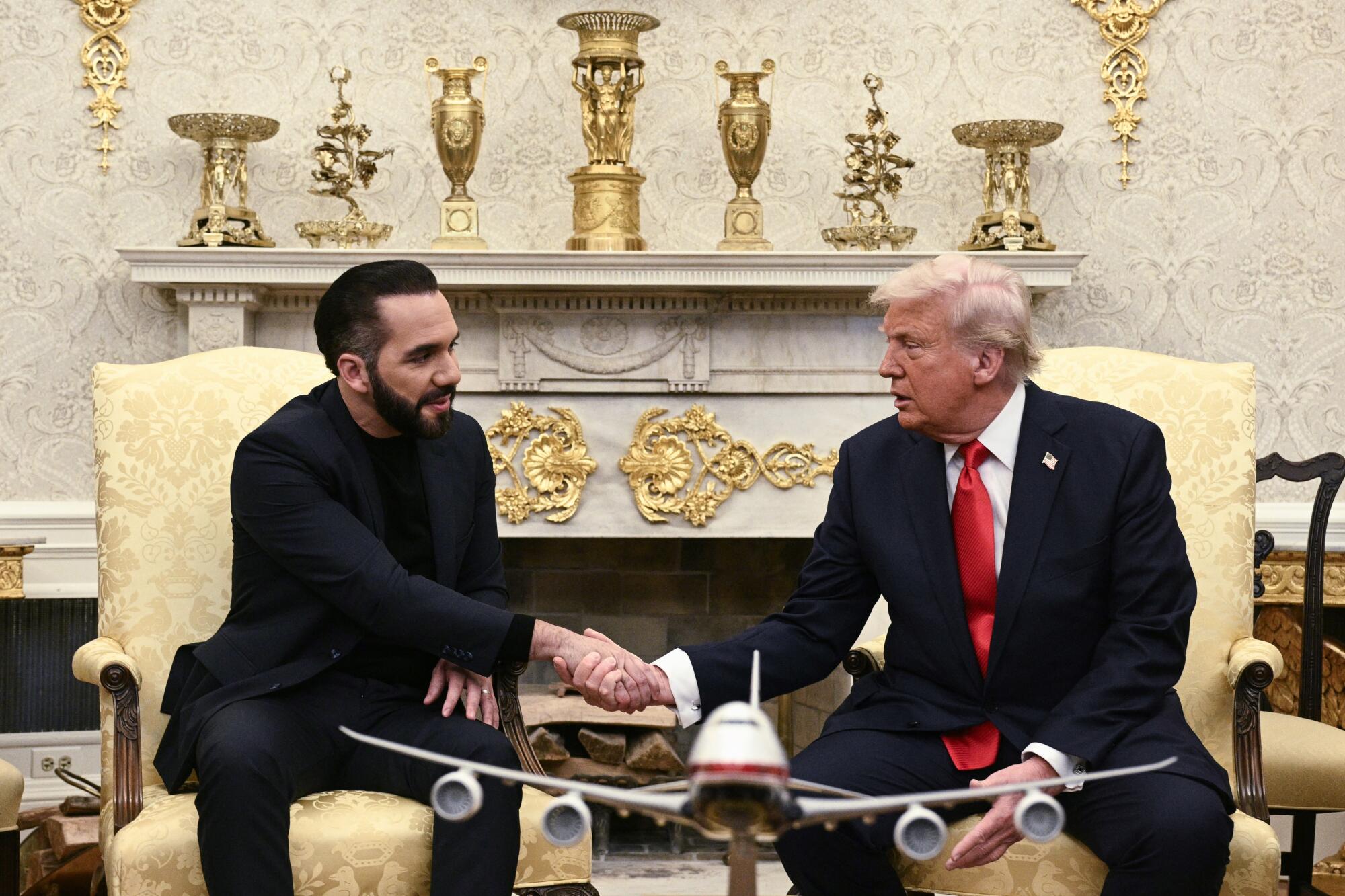
Among Trump’s partners in this effort is Argentina’s Javier Milei, whose radical state cutbacks inspired Elon Musk’s initiative called the Department of Government Efficiency (DOGE). In El Salvador, Nayib Bukele cooperated with Trump’s immigration policies by accommodating deportees in his prisons. In Ecuador, Daniel Noboa has authorized U.S. Special Forces to combat drug traffickers, and José Antonio Kast in Chile has advocated for a border wall with Peru and Bolivia.
Keiko Fujimori in Peru could become another ally, potentially winning a narrow victory as votes continue to be counted. The left holds power in Mexico, Colombia, and Brazil but faces threats in two of these countries. In Brazil’s upcoming election, leftist Luiz Inácio Lula da Silva competes closely with Flávio Bolsonaro, aligning with Trump, despite previous charges against him.
In Colombia, De la Espriella competes against Senator Iván Cepeda, a proponent of leftist President Gustavo Petro, who recently criticized Trump’s military objectives in Venezuela, sparking Trump’s dissatisfaction.
Mexican President Claudia Sheinbaum condemned Trump’s involvement, particularly after the U.S. accused several of her party members of drug offenses. She speculated on the genuine motive behind these actions, questioning whether they represent genuine anti-crime efforts or interference in Mexico’s 2027 elections.
Despite criticism, Trump has been transparent about his regional objectives. Through public backing of conservative leaders like Kast and Nasry Asfura of Honduras, he has expressed interest in monetizing his influence in foreign affairs. Critics, like Guillaume Long, have labeled Trump’s actions as unprecedented interference in Latin American politics, potentially destabilizing the region politically with polarized outcomes.
Trump rationalizes his efforts as part of a larger battle against drug cartels, playing a significant role in shaping the hemisphere’s political landscape. While some analysts, like James Bosworth, see external security concerns motivating Latin American shifts to the right, others argue influences from leaders like Bukele shape both Trump’s and Latin America’s current political climate.
Polls suggest a cyclical pattern in regional politics, where voter dissatisfaction often replaces incumbents, creating dynamics known as ‘voto castigo’ or ‘punishment vote.’ The region is likely to continue experiencing shifts between left and right, driven by a desire for change among the electorate.
Leave a Reply