President Donald Trump has shown a penchant for both supporting Republican campaigns and celebrating the victories of candidates he favors. His political influence in Latin America has been noteworthy. In the past 18 months, right-wing candidates have succeeded in seven presidential elections across the region, which the U.S. often views as its backyard.
Trump played a significant role in some of these elections. For instance, in Honduras, he exerted pressure by threatening to cut off U.S. aid unless his preferred candidate won. In Argentina, he promised $20 billion in currency swaps to support President Javier Milei by gaining allies in the legislature. Trump expressed satisfaction, mentioning numerous successful endorsements, reflecting a series of wins.
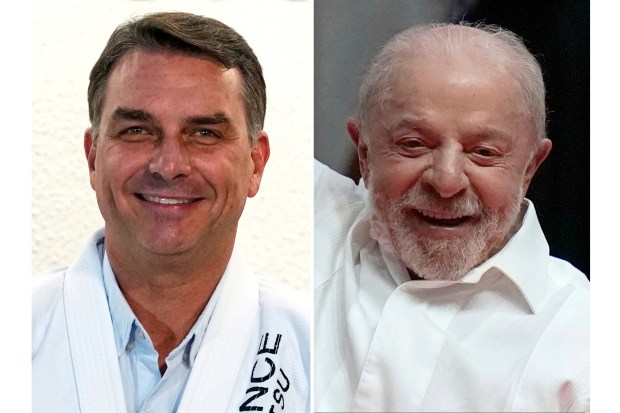
The upcoming election in Brazil is pivotal. Flávio Bolsonaro emerged from the polls with 47.03% compared to Brazilian President Luiz Inácio Lula da Silva, who garnered 45.16%. As no candidate achieved over 50%, a second round is scheduled for October 25. Bolsonaro appears to hold the advantage with alignment from many right or right-center candidates whose supporters will likely back him. Lula, aiming for a fourth term, faces the challenge of attracting moderates and disenchanted voters who abstained.
The historical relationship between the U.S. and Brazil, particularly during Joe Biden’s presidency, has been tumultuous. Biden criticized Jair Bolsonaro for environmental destruction, divisive rhetoric, and increased Chinese trade ties. Concerns about election integrity even led to a warning against Bolsonaro. Following Bolsonaro’s conviction related to a coup attempt, U.S.-Brazil ties have strained further as Trump’s outlook diverges from Lula’s left-wing stance.
Competing priorities and differing personalities characterize the U.S.-Brazil dynamic. While Trump’s administration asserts regional leadership, Lula promotes multi-alignment, reducing dependency on a single nation and enhancing Brazil’s geopolitical flexibility. This ideological clash complicates their interactions.
Economic measures were Trump’s tool in addressing these differences. In mid-2025, he imposed 40% tariffs on Brazilian products, framing them as retaliation against Bolsonaro’s legal scrutiny. Lula leveraged these tariffs politically, portraying them as external coercion, which nudged Brazil towards China for trade deals to circumvent U.S. market costs.
The election year brought further complications. Trump’s decisions, such as designating Brazilian criminal groups as terrorist entities post-meeting with Bolsonaro, renewed tariffs, and a U.S. forum on election integrity, raised suspicions of interference. Additionally, diplomatic tensions flared when the U.S. revoked Brazil’s ambassador’s visa.
Although Trump refrained from explicitly backing Flávio Bolsonaro, his preference for a far-right leader prevails. Bolsonaro aligned with Trump’s policies, including joining an anti-cartel coalition, constructing mega-prisons, and shifting Brazil’s foreign relations westward.
Ultimately, Trump seeks a Brazilian leader responsive to U.S. directives akin to the arrangement with Venezuela. However, Brazil’s president wields significant power, potentially challenging U.S. expectations regardless of the election outcome. Trump’s ambitions may face obstacles in the region.
Daniel DePetris contributes to Defense Priorities and writes on foreign affairs for the Tribune. Letters to the editor are welcome.
Leave a Reply